
Best Safest Investments With High Returns USA (Complete Guide)
Welcome to Maintain Market; we post finance, investment, insurance, and loan blogs. In this blog, we will talk about the safest investments with high returns USA.
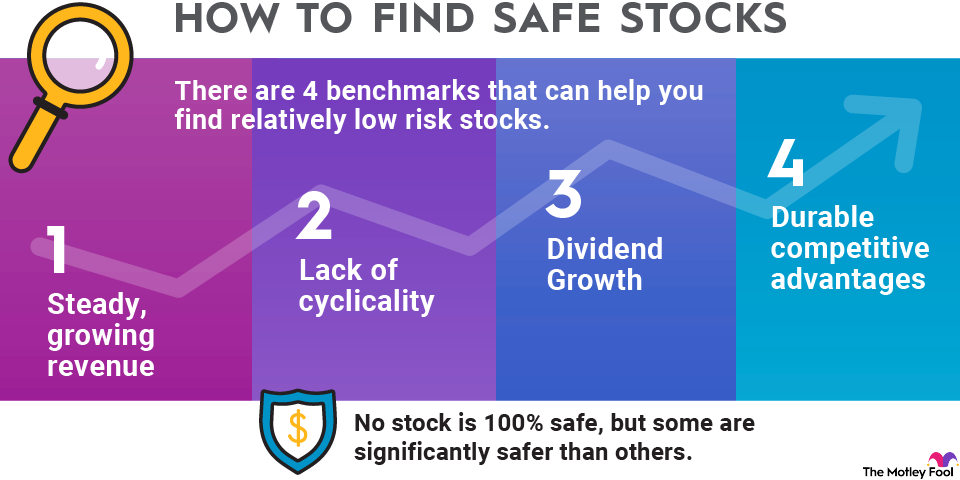

Every investor wants the same thing: high returns without high risk. While no investment is completely risk-free, there are several safe or low-risk investments in the USA that provide stable and reliable returns when chosen wisely.
This guide explains the safest investment options, how they work, expected returns, risks, and smart strategies for building wealth with lower volatility.
📌 What Does “Safe Investment” Really Mean?
A safe investment is one that:
- Preserves capital
- Has low volatility
- Provides predictable returns
Safety usually comes from:
✔ Government backing
✔ Diversification
✔ Stable companies
✔ Fixed income structures
🏆 BEST SAFE INVESTMENTS WITH GOOD RETURNS
1️⃣ High-Yield Savings Accounts
Returns: 3%–5%
FDIC insured up to $250,000.
Best for emergency funds and short-term savings.
Pros:
✔ Zero risk
✔ Liquidity
Cons:
❌ Lower returns than stocks
2️⃣ Certificates of Deposit (CDs)
Returns: 4%–5%
Fixed-term deposits with guaranteed interest.
Best for: Medium-term goals.
3️⃣ U.S. Treasury Bonds & T-Bills
Backed by the U.S. government.
Returns: 3%–5%
Types:
- T-Bills (short-term)
- T-Notes
- T-Bonds
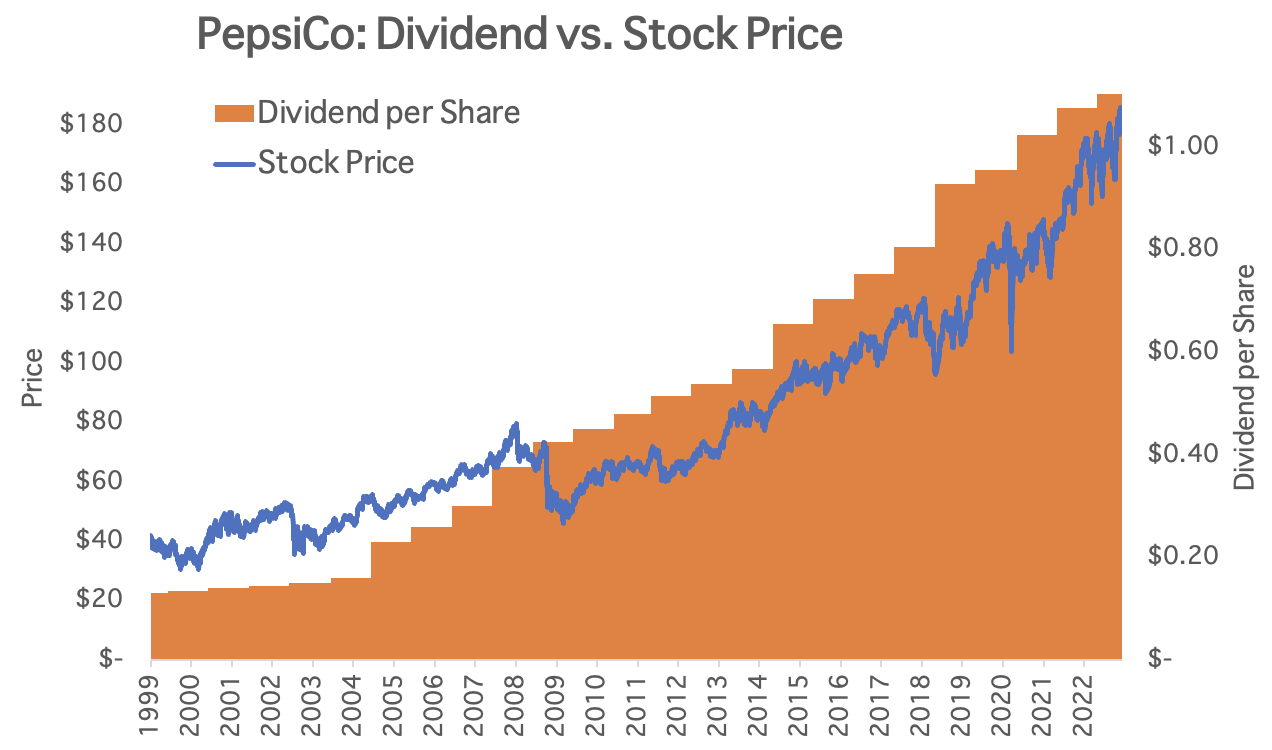
4️⃣ Dividend Stocks (Blue-Chip)
Examples:
- Johnson & Johnson
- Coca-Cola
Returns:
- Dividends 2%–6%
- Long-term growth
5️⃣ Dividend ETFs
Diversified basket of dividend stocks.
Safer than individual stocks.
6️⃣ Real Estate Investment Trusts (REITs)
Income from rental properties.
Returns: 4%–8%
7️⃣ Index Funds (S&P 500)
Long-term average: 8%–10%
Diversified across major companies.
8️⃣ Corporate Bonds
Higher yield than Treasuries.
9️⃣ Money Market Accounts
Higher rates than savings accounts.
🔟 Preferred Stocks
Hybrid of stocks and bonds.
📊 Comparison Table
| Investment | Risk | Return | Liquidity |
|---|---|---|---|
| Savings | Very Low | Low | High |
| CDs | Low | Low-Medium | Medium |
| Treasuries | Very Low | Low-Medium | Medium |
| Dividend Stocks | Medium | Medium | High |
| REITs | Medium | Medium | High |
| Index Funds | Medium | High (long term) | High |
🧠 Strategy to Balance Safety and Returns
Ideal allocation:
- 30% Index funds
- 20% Dividend ETFs
- 20% Bonds
- 15% REITs
- 15% Cash/Savings
💡 How Inflation Affects Safe Investments
Some safe assets lose value to inflation. Stocks and REITs help beat inflation.
📈 How Much You Need for Passive Returns
$200,000 at 5% = $10,000/year.
⚠️ Risks Even in Safe Investments
- Interest rate changes
- Market downturns
- Inflation erosion
Diversification reduces these.
📉 How “Safety” Changes With Time Horizon
An investment that’s safe for 1 year may not be safest for 20 years.
| Time Frame | Safest Options |
|---|---|
| 0–2 Years | High-yield savings, CDs, T-bills |
| 3–7 Years | Bonds, dividend ETFs |
| 10+ Years | Index funds, REITs, dividend stocks |
Longer timelines allow slightly higher risk for better returns.
🧠 The Myth of “Risk-Free High Returns”
Investments promising high return + zero risk are usually scams.
Real safe high-return strategies focus on:
✔ Diversification
✔ Long-term holding
✔ Stable cash-flow assets
📊 Blending Safety and Growth
Smart portfolios combine:
- Fixed income (stability)
- Equity (growth)
- Real assets (inflation protection)
This mix reduces volatility while keeping returns healthy.
💵 Monthly Income Strategy With Safe Investments
If goal = steady income:
- Dividend ETFs
- REITs
- Bonds
These provide periodic cash flow without selling assets.
🔄 Reinvestment Strategy for Safe Wealth Growth
Reinvesting dividends and interest increases compounding power.
Over time, reinvestment turns moderate returns into significant wealth.
📈 How Safe Investments Perform During Market Crashes
- Savings & Treasuries stay stable
- Dividend stocks drop but recover
- REITs fluctuate
Holding diversified safe assets prevents panic selling.
🏦 Tax Efficiency Tips
Use tax-advantaged accounts:
- IRA
- Roth IRA
- 401(k)
Reduces tax drag on safe returns.
🧮 Capital Needed for Different Income Goals
| Income Goal | Needed Capital (5% yield) |
|---|---|
| $5,000/year | $100,000 |
| $10,000/year | $200,000 |
| $20,000/year | $400,000 |
Shows importance of scaling.
🧠 Emotional Advantage of Safe Investing
Low-risk portfolios:
✔ Reduce stress
✔ Improve discipline
✔ Prevent panic selling
Consistency beats chasing trends.
🚨 Common Mistakes – Safest Investments With High Returns USA
❌ Over-concentration
❌ Ignoring fees
❌ Holding too much cash
❌ Chasing yield
🔐 Emergency Fund Before Investing
Always keep 3–6 months of expenses in safe savings.
📊 Safe Investments for Retirement
Older investors prefer:
- Bonds
- Dividend ETFs
- REIT income
Young investors can lean more toward growth.
📊 Historical Perspective: Safe vs Risky Investments
Historically in the U.S.:
| Asset | Long-Term Avg Return | Risk Level |
|---|---|---|
| Savings Accounts | 1–4% | Very Low |
| Treasury Bonds | 3–6% | Low |
| Dividend Stocks | 7–10% | Medium |
| Index Funds | 8–11% | Medium |
| REITs | 8–12% | Medium |
This shows that “safe” doesn’t always mean “low return” — stable equity assets often outperform fixed deposits over time.
🧠 The “Sleep Well at Night” Rule
A truly safe investment is one that:
✔ Lets you sleep peacefully
✔ Doesn’t cause panic in downturns
✔ Matches your risk tolerance
If volatility causes stress, your portfolio may be too aggressive.
🔄 Dollar-Cost Averaging (DCA) for Safety
Investing small amounts regularly reduces timing risk.
Example:
Invest $500 monthly instead of $6,000 once → smooths market swings.
💰 Safe Passive Income Ladder Strategy
Create layers of safety:
1️⃣ Emergency fund → savings
2️⃣ Stability → bonds & CDs
3️⃣ Growth → index funds
4️⃣ Income → dividends & REITs
This layered approach balances risk and return.
📉 How Market Cycles Affect “Safe” Investments
During recessions:
- Savings & Treasuries hold value
- Stocks dip but recover
- REITs fluctuate
Diversified portfolios recover faster than concentrated ones.
📊 Income Stability Score (Concept)
| Investment | Income Stability |
|---|---|
| Savings | ⭐⭐⭐⭐⭐ |
| Treasuries | ⭐⭐⭐⭐⭐ |
| Bonds | ⭐⭐⭐⭐ |
| Dividend ETFs | ⭐⭐⭐ |
| REITs | ⭐⭐⭐ |
Use stability as a factor when selecting safe assets.
🧮 The “Capital Preservation” Principle
Safe investors focus on:
✔ Avoiding large losses
✔ Accepting moderate gains
Avoiding big drops often leads to better long-term growth than chasing risky high returns.
🏦 Combining Safety With Liquidity
Liquid safe investments include:
- Savings accounts
- Money market funds
- ETFs
Liquidity prevents forced selling during emergencies.
📈 Why Safe Investors Still Beat Inflation
While savings may lag inflation, combining:
- Dividend growth stocks
- REITs
- Index funds
Helps maintain purchasing power.
🧠 Behavioral Benefits of Safe Portfolios
Safer portfolios:
✔ Encourage long-term holding
✔ Reduce emotional trading
✔ Improve compounding consistency
🚨 Yield Trap Warning – Safest Investments With High Returns USA
Very high yields often mean:
❌ Higher risk
❌ Unsustainable payouts
Always check:
- Company stability
- Dividend history
- Debt levels
📊 Building Safe Wealth in 5 Steps
- Build emergency fund
- Invest in index funds
- Add dividend ETFs
- Include bonds
- Reinvest earnings
📊 The Risk–Return Spectrum Explained
All investments fall on a spectrum:
| Low Risk | Medium Risk | Higher Risk |
|---|---|---|
| Savings, Treasuries | Bonds, Dividend ETFs | Growth stocks |
Safe investments aim to stay on the left to middle of this spectrum while still beating inflation.
🧠 The “Capital First” Rule
Professional wealth managers follow:
Rule #1: Don’t lose money
Rule #2: Remember rule #1
Safe investments prioritize protecting principal before chasing returns.
🔄 Laddering Strategy for Safe Returns
A CD or bond ladder means spreading maturity dates.
Example:
- 1-year CD
- 2-year CD
- 3-year CD
Provides liquidity and steady rate exposure.
💵 Monthly Cash Flow From Safe Assets
Investors can combine:
- Dividend ETFs
- Bond funds
- REIT payouts
To create predictable monthly or quarterly income.
📈 Why Compounding Is Safer Than Trading
Frequent trading increases risk. Long-term compounding with safe assets smooths volatility.
📉 Economic Downturn Protection
Safe investments act as shock absorbers during recessions.
Savings and Treasuries often rise when stocks fall.
🧮 The “Sleep-at-Night” Allocation Rule
If market drops cause panic, shift more to safe assets.
🏦 Safe Investing for Different Goals
| Goal | Best Safe Options |
|---|---|
| Emergency fund | Savings |
| Retirement income | Bonds + dividends |
| Wealth growth | Index funds + REITs |
📊 Long-Term Stability Example
A balanced portfolio historically shows fewer sharp drops and steadier growth compared to stock-only portfolios.
🧠 Psychological Advantage of Stability
Lower volatility improves investor discipline and prevents bad decisions.
🚨 Overconfidence Trap
Chasing past high returns often leads to higher risk than expected.
📈 Inflation-Protected Safe Assets
Treasury Inflation-Protected Securities (TIPS) help preserve purchasing power.
🧮 Why Safe Portfolios Outlast Aggressive Ones
Survival in markets matters more than high short-term gains.
🏁 Ultimate Safe Investment Mindset
Safe investing is not about:
“Getting rich fast”
It’s about:
✔ Preserving capital
✔ Earning steady returns
✔ Growing wealth consistently
❓ Frequently Asked Questions – FAQs
Q1. What is the safest high return investment?
Dividend ETFs + index funds.
Q2. Are bonds safe?
Government bonds re very safe.
🏁 Final Thoughts
Safe investing is about balancing stability with steady growth. Diversify and stay patient.
Also read: Debt Consolidation loan with poor credit
Also read: Best Car Insurance For Low Credit Score






One Comment