

Welcome to Maintain Market; we post finance, investment, insurance, and loan blogs. In this blog, we will talk about the Best SIP Plans for 5 Years in India.
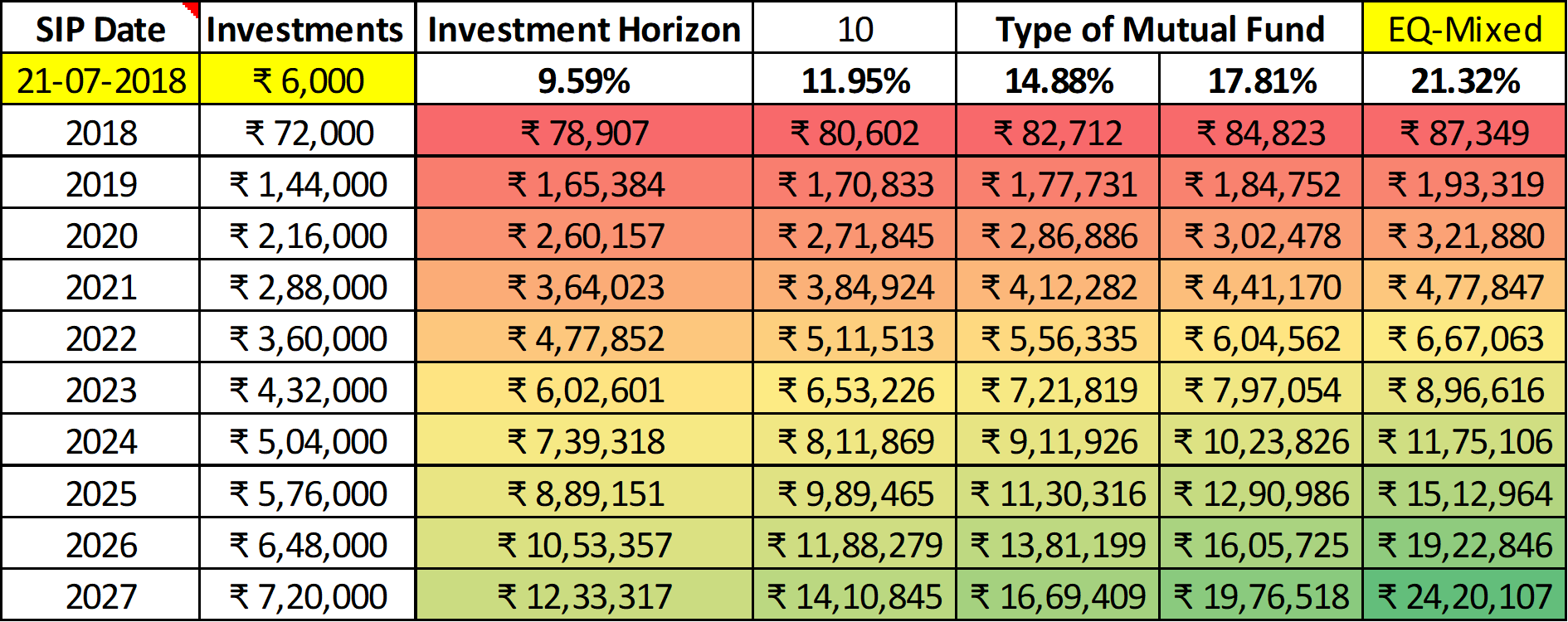


Introduction: Why SIP for 5 Years Matters
A Systematic Investment Plan (SIP) is one of the most popular and effective ways to build wealth in India — especially for investors with a 5-year horizon.
Unlike lump-sum investing, SIP lets you:
✔ Invest small amounts regularly
✔ Benefit from rupee cost averaging
✔ Reduce timing risk
✔ Build disciplined investing habits
A 5-year SIP is ideal for:
- Young professionals
- Medium-term goals (car, house down payment)
- Wealth creation without huge capital
- Retirement corpus enhancer
This guide will cover everything you must know before choosing the best SIP plans for 5 years in India.
What Is an SIP?
A Systematic Investment Plan (SIP) allows you to invest a fixed amount at regular intervals (monthly/quarterly) into mutual funds.
Benefits:
- Rupee Cost Averaging
- Compounding effect
- Disciplined investing
- Low financial stress
Example:
If you invest ₹5,000 per month for 5 years at 10% annual returns, your corpus can grow significantly thanks to compounding.
Why 5 Years Is a Smart Time Frame
Here’s why a 5-year SIP plan makes financial sense:
✔ Equity markets tend to smooth out volatility
✔ Mid-term goals (wedding, home upgrades)
✔ Good balance of growth + moderate risk
Risk reduces significantly if you stay invested for longer than 3 years. A 5-year horizon offers growth while avoiding short-term market panic.
How Returns Are Calculated in SIP
SIP Formula Highlights:
- Monthly investment
- NAV at each purchase
- Units accumulated over time
SIP returns are measured by XIRR (Extended Internal Rate of Return).
Example table:
| Year | Amount Invested | NAV | Units |
|---|---|---|---|
| Year 1 | ₹60,000 | 20 | 3000 |
| Year 2 | ₹60,000 | 25 | 2400 |
| … | … | … | … |
Best SIP Plans for 5 Years (2026)
1. Large Cap Mutual Funds (Safe & Stable)
Large cap funds invest in big, established companies with strong growth records.
Best Picks:
- SBI Bluechip Fund
- HDFC Top 100 Fund
- ICICI Pru Focused Bluechip Fund
Why choose them?
✔ Lower volatility
✔ Good long-term CAGR
✔ Strong portfolio management
Expected 5-year returns: 9% – 14% p.a.
2. Flexi-Cap Funds (Balanced Growth)
Flexi-Cap funds can invest in small, mid, or large cap stocks based on market conditions.
Top Choices:
- Parag Parikh Flexi Cap Fund
- Kotak Flexi Cap Fund
- Axis Flexi Cap Fund
Why choose them?
✔ Flexible allocation
✔ Better risk–adjusted returns
✔ High growth potential
Expected 5-year returns: 11% – 16% p.a.
3. Mid Cap SIP Funds (Growth Focused)
Mid caps can offer higher returns — but with slightly higher risk.
Best SIP Mid Cap Funds:
- DSP Mid Cap Fund
- HDFC Mid Cap Opportunities
- Axis Mid Cap Fund
Why choose them?
✔ Aggressive growth
✔ Excellent for 5+ years
Expected 5-year returns: 12% – 18% p.a.
4. Multi-Cap Funds (Diversified Growth)
Multi-cap funds spread investments across all cap segments.
Top Funds:
- Motilal Oswal Multi-Cap 35
- UTI Multi Cap Fund
- Aditya Birla Sun Life Multi Cap
Expected returns: 10% – 15% p.a.
5. ELSS Tax Saving Funds (Tax + Growth)
If you want tax benefits (₹1.5L per year), ELSS is best.
Strong Performers:
- Axis Long Term Equity Fund
- Mirae Asset Tax Saver
- Canara Robeco Equity Tax Saver
Lock-in: 3 years (but usable in 5-year SIP strategy)
Expected returns: 12% – 17% p.a.
Comparison Table: Best SIP Plans for 5 Years
| Fund Type | Risk | Avg Returns | Ideal For |
|---|---|---|---|
| Large Cap | Low–Medium | 9%–14% | Stability |
| Flexi Cap | Medium | 11%–16% | Balanced growth |
| Mid Cap | Medium–High | 12%–18% | Higher returns |
| Multi Cap | Medium | 10%–15% | Diversified growth |
| ELSS | Medium | 12%–17% | Tax saving + growth |
Choosing the Right SIP: Checklist
Before investing:
✔ Understand your risk profile
✔ Check expense ratio (<2%)
✔ Compare 5-year history
✔ Look at fund manager track record
✔ Avoid recent underperformers
SIP Mistakes to Avoid
❌ Choosing funds on past 1-year returns only
❌ Switching funds too often
❌ Ignoring expense ratio
❌ Not reviewing portfolio annually
❌ Investing without goals
How to Review Your SIP Portfolio
Annual review:
- Check returns vs benchmark
- Rebalance if large imbalance
- Add more when markets dip (opportunity)
Never react emotionally to market corrections.
SIP Strategy for Different Goals
Goal: Home Down Payment (5 Years)
- Large cap + Multi cap
- SIP amount: ₹10,000–₹30,000/month
Goal: Child Education (5 Years)
- Flexi cap + ELSS
- SIP: ₹5,000–₹20,000/month
Goal: Travel & Lifestyle
- Balanced basket
- SIP: ₹5,000–₹15,000/month
SIP Returns Illustration (5 Years)
| Monthly SIP | Total Invested | Estimated Corpus (12% CAGR) |
|---|---|---|
| ₹5,000 | ₹300,000 | ~₹418,000 |
| ₹10,000 | ₹600,000 | ~₹836,000 |
| ₹20,000 | ₹1,200,000 | ~₹1,672,000 |
Compounding boosts long-term wealth.
SIP in Down Markets: Why It Works
During corrections:
✔ You buy more units at lower NAV
✔ Rupee cost averaging benefits
✔ Better long-term returns
That’s the power of SIP discipline.
Risk vs Return in SIP Funds
Understand risk:
- Large cap = stable
- Mid cap = higher returns, higher volatility
- ELSS = lock-in + good tax benefit
Choose based on patience and risk tolerance.
Tax Implications of SIP in India
- ELSS: 3-year lock-in, tax benefit under Section 80C
- Others:
- Short-term capital gains (STCG)
- Long-term capital gains (LTCG) tax
Understanding tax improves net returns.
When to Increase Your SIP Contribution
Increase SIP when:
✔ Salary increases
✔ Market dips
✔ New financial goal
✔ Rebalancing required
This accelerates wealth building.
Step-by-Step: How to Start a SIP
- Select platform (AMC/online app)
- Complete KYC
- Choose fund(s)
- Decide SIP amount & date
- Start SIP
- Review annually
Modern apps make SIP start in minutes.
SIP vs Lump Sum (What’s Better?)
- SIP: Rupee cost averaging, disciplined
- Lump sum: If you have big capital during a dip
Both have roles, but SIP reduces timing risk.
How Market Volatility Benefits a 5-Year SIP
Many investors fear market ups and downs. But SIP investors benefit from volatility through rupee cost averaging.
When markets fall:
✔ You buy more units at lower prices
✔ Future gains increase
When markets rise:
✔ Existing units grow in value
Over 5 years, this averaging reduces risk compared to lump-sum investing.
Ideal Asset Allocation for a 5-Year SIP
A balanced mix works best:
| Allocation | Fund Type | Purpose |
|---|---|---|
| 40% | Large Cap | Stability |
| 30% | Flexi Cap | Balanced growth |
| 20% | Mid Cap | Higher returns |
| 10% | ELSS / Thematic | Tax benefit or opportunity |
This reduces downside risk while maintaining growth potential.
SIP vs Recurring Deposit (RD)
| Feature | SIP | RD |
|---|---|---|
| Returns | Market-linked | Fixed |
| Risk | Medium | Low |
| Inflation Protection | Yes | No |
| Potential Growth | High | Limited |
SIP is better for wealth growth over 5 years.
Power of Increasing SIP (Step-Up SIP)
Instead of fixed SIP, increase by 5–10% annually.
Example:
₹10,000/month → increase ₹1,000 yearly
This dramatically boosts corpus in 5 years.
Performance Review Timeline
| Time | Action |
|---|---|
| Year 1 | Check consistency |
| Year 2–3 | Compare with benchmark |
| Year 4 | Rebalance |
| Year 5 | Plan withdrawal strategy |
Avoid reviewing too frequently.
Withdrawal Strategy After 5 Years
When goal is reached:
✔ Use STP (Systematic Transfer Plan) to shift to safer funds
✔ Avoid withdrawing entire amount during market dips
Gradual exit protects gains.
How SIP Helps Beat Inflation
Inflation in India averages ~6%.
Bank deposits may not beat inflation, but equity SIPs historically do over medium term.
Risk Factors to Consider
- Economic slowdown
- Interest rate hikes
- Global market corrections
Diversification across fund categories helps manage this.
SIP for Salaried vs Business Individuals
| Investor Type | Strategy |
|---|---|
| Salaried | Fixed monthly SIP |
| Business | Flexible SIP, increase in good months |
Emotional Discipline in SIP
Successful SIP investors:
✔ Ignore short-term noise
✔ Stay invested during crashes
✔ Think long-term
Patience = higher returns.
Safety Tips for SIP Investing
✔ Use direct plans to reduce expense ratio
✔ Invest only through SEBI-registered platforms
✔ Avoid NFO hype
✔ Track fund manager changes
SIP Success Story Example
₹8,000/month SIP for 5 years at 13% return →
Invested: ₹4.8 lakh
Corpus: ~₹6.7 lakh
Shows compounding power.
How Different Market Phases Affect a 5-Year SIP
Over a 5-year period, markets go through:
- Bull phases (rising markets)
- Corrections
- Sideways movements
SIP performs well across cycles because:
✔ More units are bought during downturns
✔ Long-term average price benefits
Timing becomes less important than consistency.
SIP Portfolio Rebalancing Strategy
As markets move, allocations change.
Example:
Mid-cap fund grows faster → portfolio risk increases.
Solution:
✔ Reduce exposure to overweight category
✔ Add to underperforming but strong category
Rebalance every 12–18 months.
How Expense Ratio Impacts SIP Returns
Lower expense ratio = higher net return.
| Expense Ratio | Impact Over 5 Years |
|---|---|
| 2.0% | Lower corpus |
| 1.0% | Significantly higher |
Choose direct plans whenever possible.
SIP for Goal-Based Investing
A 5-year SIP is perfect for:
✔ Car purchase
✔ Marriage fund
✔ Foreign trip
✔ Business capital
✔ Emergency corpus growth
Goal-based investing improves discipline.
SIP Top-Up Strategy
Every year, increase SIP amount by 5–15%.
Even small increases dramatically improve the corpus.
What to Do If Market Falls in Year 4–5
Do NOT panic.
✔ Continue SIP
✔ Avoid redemption during dips
✔ Shift gradually to safer funds if goal is near
Direct vs Regular SIP
| Type | Expense | Return |
|---|---|---|
| Direct Plan | Lower | Higher |
| Regular Plan | Higher | Lower |
Direct plans are better for long-term SIP investors.
SIP Risk Management Techniques
✔ Diversify across fund categories
✔ Avoid overexposure to small caps
✔ Review portfolio annually
✔ Keep emergency funds separate
Psychological Edge of SIP Investors
SIP reduces emotional investing because:
✔ You invest automatically
✔ No market timing pressure
✔ Long-term mindset builds confidence
When to Stop or Modify SIP
Consider modification if:
- Fund underperforms consistently for 2+ years
- Fund manager changes with poor track record
- Goal timeline changes
SIP vs PPF (5-Year View)
| Feature | SIP | PPF |
|---|---|---|
| Return | Market-based | Fixed |
| Risk | Medium | Very low |
| Inflation beating | Yes | Limited |
SIP better for growth; PPF for safety.
Frequently Asked Questions (FAQs)
Q1. Which SIP is best for 5 years in India?
Flexi cap and mid cap funds often outperform over a 5-year horizon with disciplined SIP.
Q2. Do SIP returns depend on market?
Yes, but SIP reduces timing risk.
Q3. Can I stop SIP anytime?
Yes, SIP is flexible without penalty (except ELSS lock-in).
Q4. Is SIP safe?
SIP helps reduce volatility risk, but fund choice determines overall risk
Q5. How much should I start with?
Minimum SIP starting can be as low as ₹500/month, but higher amounts build corpus faster.
Final Thoughts
A 5-year SIP in India is one of the most practical ways to build wealth with controlled risk. The key elements for success are:
✔ Discipline
✔ Long-term perspective
✔ Proper diversification
✔ Regular reviews
Stay invested, be patient, and let compounding work for you.
Also read: Top 10 SIP plans in India
Also read: Top 10 Mutual Funds in India
2 thoughts on “10 Best SIP Plans for 5 Years in India (2026) – Top Mutual Funds for High Returns”