
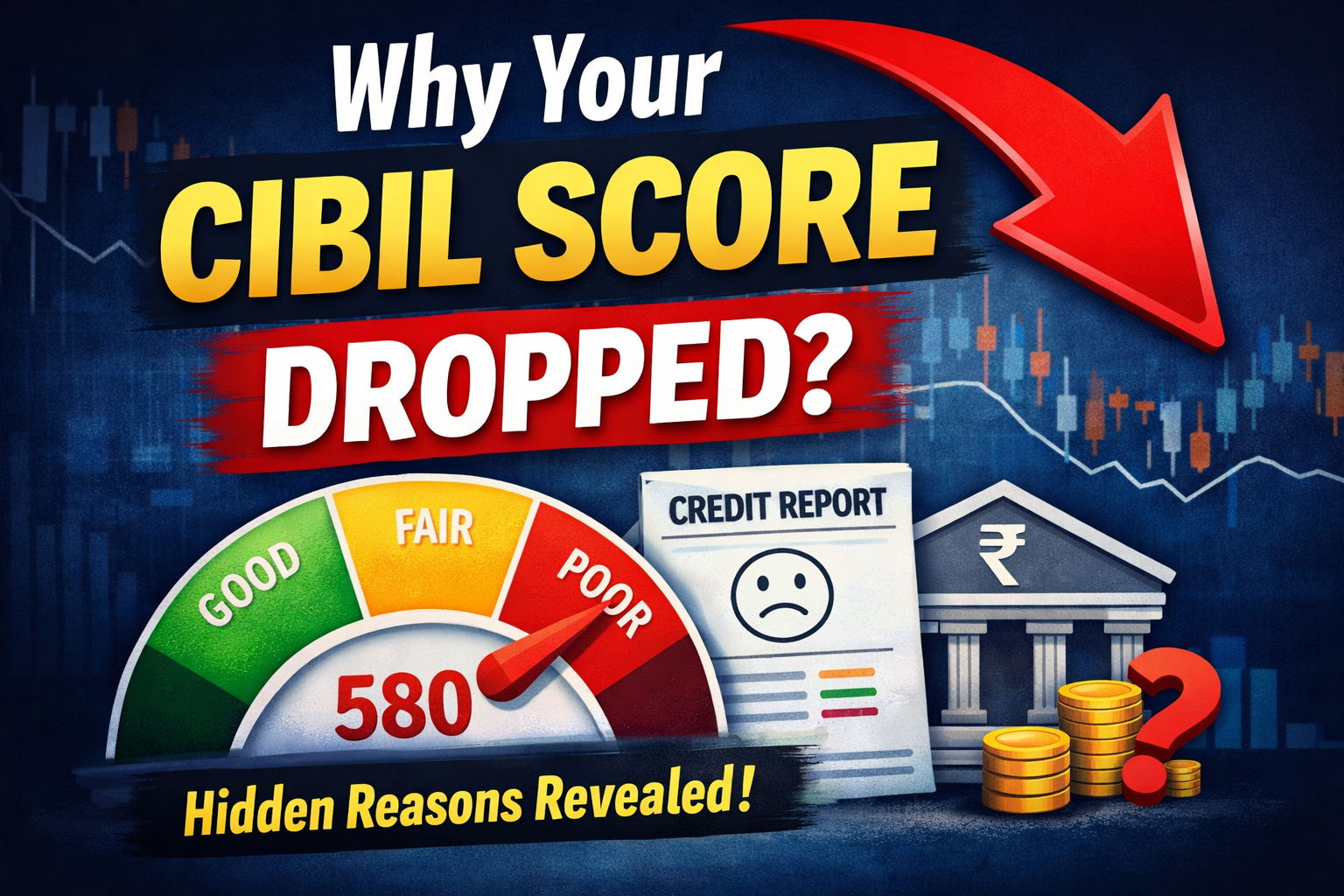
In this detailed guide, you will learn why CIBIL score dropped suddenly, how banks evaluate your credit profile, and what you can do to improve your score quickly.
Many people in India suddenly notice that their CIBIL score has dropped, even though they believe they paid their EMIs and credit card bills on time. This can be worrying, especially when you are planning to apply for a personal loan, home loan, car loan, or credit card.
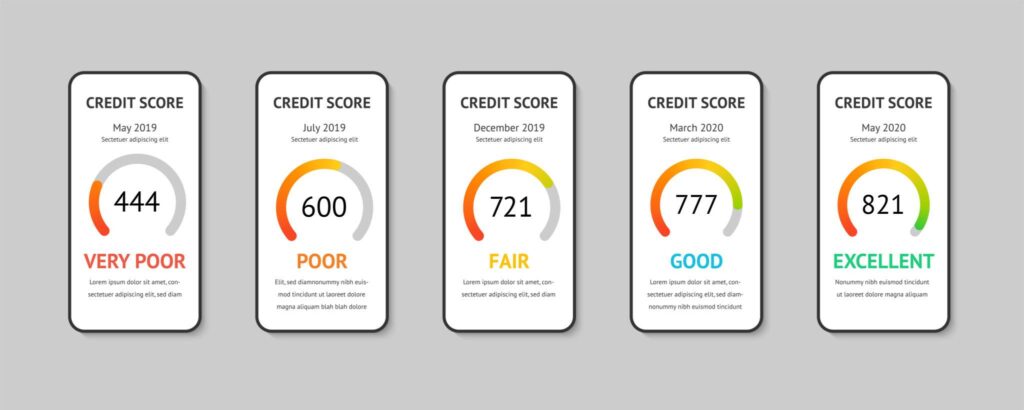
Your CIBIL score plays a major role in loan approval. Even small financial behaviors—such as using too much credit limit or applying for multiple loans—can reduce your score.




Quick Decision Box
| Situation | Possible Reason | What You Should Do |
|---|---|---|
| Score dropped 10–20 points | Normal fluctuation | Continue paying bills on time |
| Score dropped 30–50 points | High credit utilization | Reduce card usage |
| Score dropped 50–100 points | Late payment or settlement | Clear dues immediately |
| Large sudden drop | Credit report error | Raise dispute with credit bureau |
What Is a CIBIL Score?
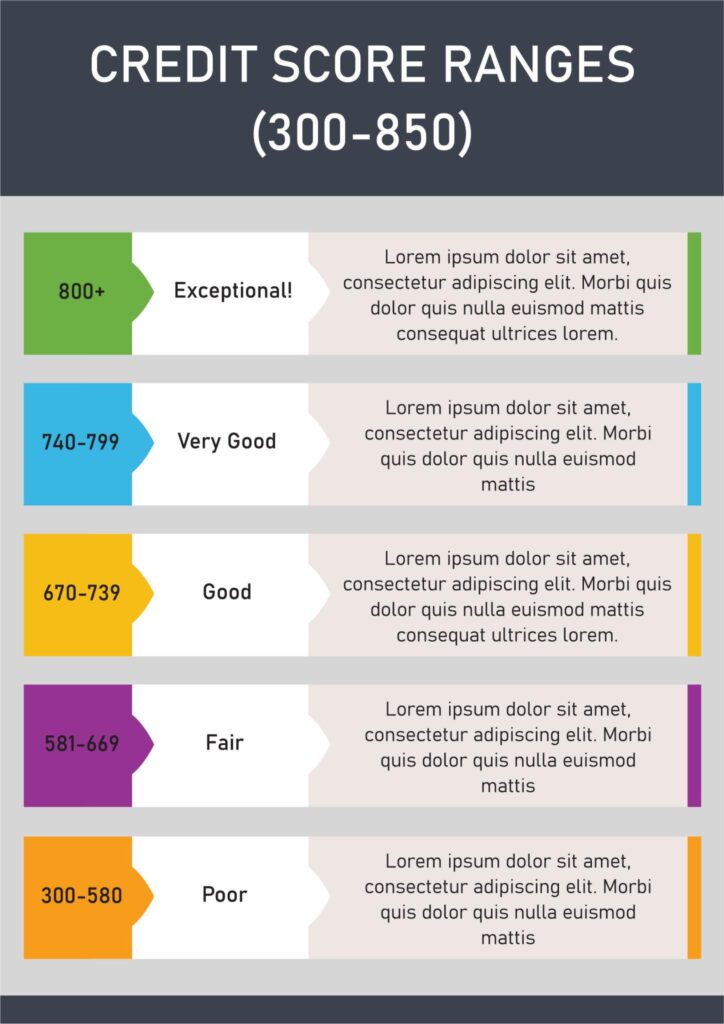
A CIBIL score is a three-digit number between 300 and 900 that represents your creditworthiness. It is calculated based on your credit history and repayment behavior.
Banks and financial institutions use this score to determine whether you are a reliable borrower.
CIBIL Score Range in India
| Score Range | Meaning |
|---|---|
| 750 – 900 | Excellent |
| 700 – 749 | Good |
| 650 – 699 | Average |
| 550 – 649 | Risky |
| Below 550 | Very poor |
Most banks prefer borrowers with a CIBIL score above 750.
How Banks Calculate Your Credit Score
Banks evaluate four main factors when calculating your credit score.
| Factor | Weightage |
|---|---|
| Payment history | 35% |
| Credit utilization | 30% |
| Credit history length | 15% |
| Credit mix and enquiries | 20% |
If any of these factors change negatively, your score may drop suddenly.
11 Hidden Reasons Why Your CIBIL Score Dropped Suddenly
1. Late EMI or Credit Card Payment
One of the most common reasons for a sudden drop in your CIBIL score is late payment of EMIs or credit card bills.
Even a delay of a few days can affect your credit history.
Payment history accounts for about 35% of your credit score, making it the most important factor.
Example
If your credit card payment was due on the 5th and you paid it on the 12th, it may be reported as a delayed payment.
2. High Credit Card Utilization
Using too much of your credit card limit can reduce your credit score.
Experts recommend keeping your credit utilization below 30%.
Example
| Credit Limit | Usage | Impact |
|---|---|---|
| ₹1,00,000 | ₹85,000 | Negative |
| ₹1,00,000 | ₹25,000 | Healthy |
High utilization signals financial stress to lenders.
3. Multiple Loan Applications
When you apply for a loan or credit card, lenders check your credit report through a hard enquiry.
If you apply for many loans within a short time, banks may think you are desperate for credit.
This can reduce your credit score.
4. Closing Old Credit Cards
Many people close old credit cards thinking they are unnecessary.
However, old credit cards help maintain a long credit history, which improves your score.
Closing them may reduce your credit history length.
5. Loan Settlement Instead of Full Payment
If you settle a loan with the bank instead of paying the full amount, the account status becomes “settled” instead of “closed.”
This indicates that the borrower could not repay the full loan amount.
Such records negatively affect your credit score.
6. Too Many Active Loans
Having multiple loans at the same time can increase your debt burden.
Banks may consider you financially overextended.
Example
| Number of Loans | Risk Level |
|---|---|
| 1–2 loans | Low risk |
| 3–4 loans | Moderate risk |
| 5+ loans | High risk |
7. Missing Small Payments
Even small unpaid amounts can affect your credit score.
For example:
- ₹500 credit card bill
- Consumer durable EMI
- Buy Now Pay Later payments
These small missed payments are still reported to credit bureaus.
8. Errors in Your Credit Report
Sometimes your credit report may contain mistakes such as:
- Incorrect loan account
- Duplicate entries
- Wrong payment history
These errors can cause a sudden drop in your score.
You should regularly check your credit report.
9. Becoming a Loan Guarantor
When you become a guarantor for someone else’s loan, you share responsibility for repayment.
If the borrower misses payments, it can also affect your credit score.
10. High Usage of Buy Now Pay Later Services
Many online platforms offer Buy Now Pay Later (BNPL) services.
Frequent use of these services increases your short-term debt exposure.
Some BNPL providers report data to credit bureaus.
11. Recently Closing a Loan
Closing a loan sometimes changes your credit mix, which can temporarily reduce your credit score.
However, this drop is usually temporary.
Real Case Study
A borrower from Kolkata had a CIBIL score of 780.
He noticed his score dropped to 725 within two months.
After checking his credit report, he discovered:
- Credit card utilization above 80%
- Two new loan enquiries
- One delayed payment
After reducing credit card usage and maintaining timely payments, his score recovered to 760 within three months.
MaintainMarket-Tested Insights
Based on common credit behavior patterns:
| Issue | Average Score Drop |
|---|---|
| Late EMI payment | 50–100 points |
| High credit utilization | 20–40 points |
| Multiple enquiries | 10–30 points |
| Loan settlement | 80–120 points |
| Credit report error | 20–70 points |
FAQs: People Also Ask (Real Search Enquiries)
Q1. Why did my CIBIL score drop even though I paid on time?
Your score may still drop due to high credit card utilization, multiple loan enquiries, or credit report errors.
Q2. How many points can CIBIL score drop?
A CIBIL score may drop 10 to 100 points depending on the issue.
Q3. How long does it take to recover a CIBIL score?
With good financial habits, your credit score can improve within 3 to 6 months.
Q4. Can checking my CIBIL score reduce it?
No. Checking your own credit score is a soft enquiry and does not affect your score.
How To Increase Your CIBIL Score Quickly
If your CIBIL score dropped, follow these steps:
1. Pay All EMIs and Bills on Time
Timely payments improve your credit history.
2. Reduce Credit Card Usage
Keep utilization below 30% of your credit limit.
3. Avoid Multiple Loan Applications
Apply for loans only when necessary.
4. Maintain Old Credit Accounts
Older credit accounts strengthen your credit history.
5. Check Your Credit Report
Regularly review your credit report for errors.
Outcome-Based Comparison
| Action | Result |
|---|---|
| Pay EMIs on time | Score improves gradually |
| Reduce credit usage | Quick improvement |
| Avoid new loan enquiries | Stable score |
| Maintain old credit cards | Strong credit profile |
Understanding Lender Psychology
Banks look for borrowers who show financial discipline and stability.
They prefer customers who:
- Pay EMIs on time
- Maintain low credit utilization
- Avoid frequent loan applications
- Have a long credit history
Understanding this helps you maintain a healthy credit profile.
Final Action Plan – Why CIBIL Score Dropped Suddenly
If your CIBIL score dropped suddenly, follow this step-by-step approach:
- Download your latest credit report
- Identify the reason for the drop
- Clear any pending payments
- Reduce credit card utilization
- Avoid applying for new loans for a few months
Following these steps can help restore your credit score and improve your chances of loan approval.
People asked for: Why Pre-approved Personal Loan Rejected?
Also Read: Credit Score 580? Personal Loan Approved