
Struggling with $10K+ credit card debt in 2026? Discover the exact payoff plan, avoid collections, and reduce interest fast with proven US strategies.

Introduction
Your credit card balance keeps growing—even when you’re paying every month.
Interest is eating your money, and minimum payments feel like a trap.
In the U.S., with APRs touching 20–30%, many users are stuck in a debt cycle they can’t escape.
If you have $10,000+ credit card debt in 2026, you’re not alone—but you are at risk if you don’t act strategically.
Quick Action Box
Problem:
High-interest credit card debt ($10K+) with slow payoff
Risk:
Debt doubling, credit score drop, collections
Immediate Action:
Stop minimum-only payments, choose payoff strategy, reduce APR exposure
1. Why People Fall Into Credit Card Debt (US Reality)
This isn’t just overspending. The system itself pushes users into debt.
1. High APR Trap
- Average credit card APR in 2026: 22%–29%
- Even disciplined users struggle to outpace interest
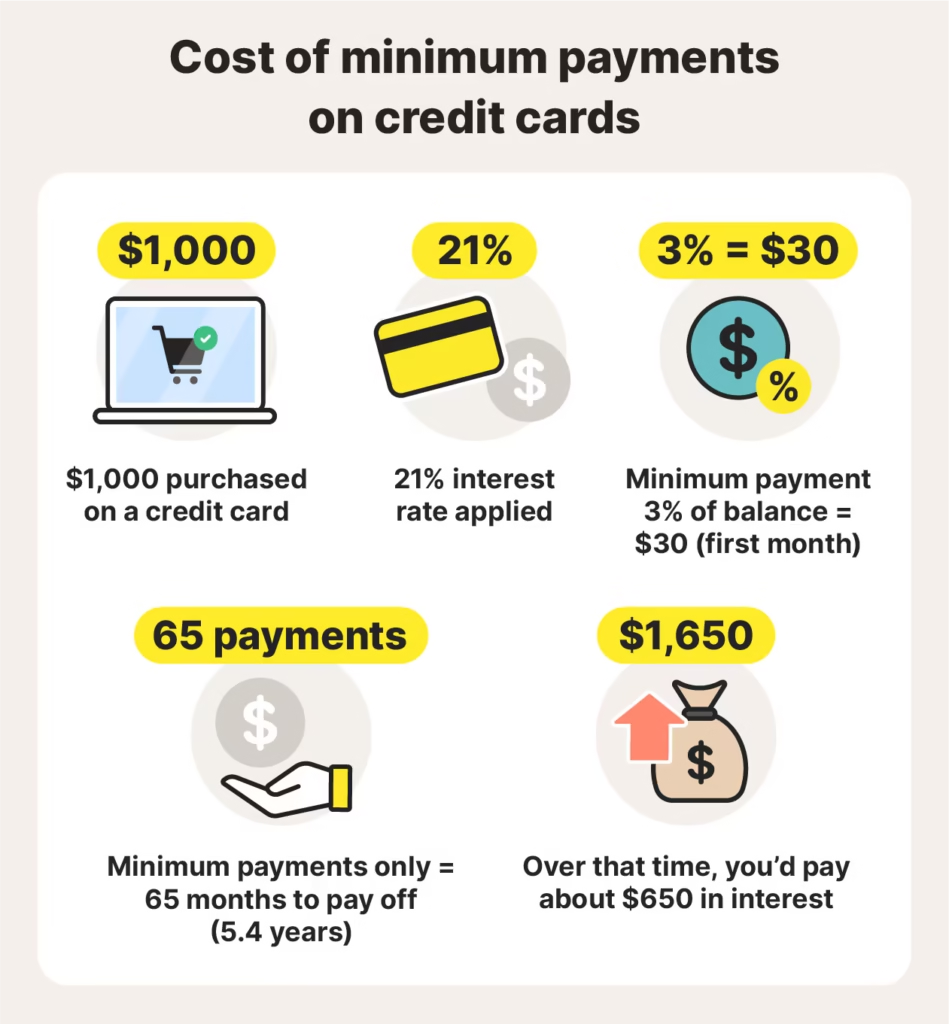
2. Minimum Payment Illusion
Banks design minimum payments to:
- Keep you paying longer
- Maximize interest collection
Example:
- $10,000 debt → $250 minimum
- Actual interest → ~$200/month
👉 You’re barely reducing principal
3. Buy Now Pay Later + Credit Mix
Users combine:
- Credit cards
- BNPL
- Personal loans
Result:
👉 Fragmented debt + no clear strategy
4. Emergency Spending
Medical bills, rent, job loss:
- Credit cards become survival tools
5. Psychological Factor
People think:
“I’ll pay it off later.”
But later = higher interest + deeper trap.
2. Best Credit Card Debt Payoff Strategies (2026)
There is no single “best” method—only what fits your behavior.
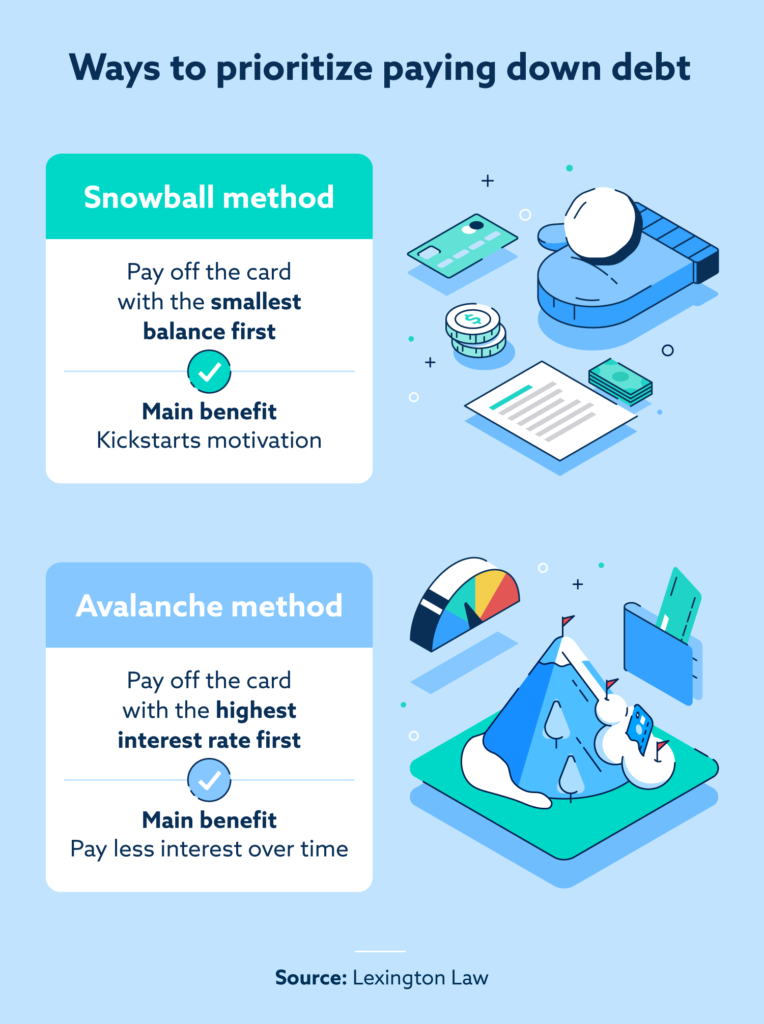
Strategy 1: Debt Snowball (Motivation-Based)
- Pay smallest debt first
- Build psychological wins
Best for:
- Low discipline
- Need quick motivation
Strategy 2: Debt Avalanche (Interest-Based)
- Pay highest APR first
- Save maximum money
Best for:
- Logical thinkers
- Long-term focus
Strategy 3: Balance Transfer (0% APR Hack)
- Transfer debt to 0% APR card
- Save interest temporarily
Best for:
- Good credit score (680+)
Strategy 4: Debt Consolidation Loan
- Combine all debt into one loan
- Lower interest rate
Best for:
- Stable income
- Moderate credit score
Strategy 5: Debt Settlement (Last Option)
- Negotiate lower payoff
- Pay lump sum
Best for:
- Severe financial stress
- Already behind payments
3. Step-by-Step Payoff Plan (Practical Execution)
Step 1: List All Debts
Example:
| Card | Balance | APR | Minimum |
|---|---|---|---|
| Card A | $4,000 | 26% | $120 |
| Card B | $3,500 | 22% | $100 |
| Card C | $2,500 | 29% | $90 |
Step 2: Choose Strategy
If:
- Emotional → Snowball
- Logical → Avalanche
Step 3: Stop New Debt
- Freeze cards if needed
- No new purchases
Step 4: Increase Monthly Payment
Instead of $310 minimum:
👉 Pay $600–$800
Step 5: Automate Payments
- Avoid missed payments
- Improve credit behavior
Step 6: Track Progress Monthly
- Reduce balances
- Monitor utilization
4. Snowball vs Avalanche (Comparison Table)
| Factor | Snowball | Avalanche |
|---|---|---|
| Focus | Smallest debt | Highest interest |
| Motivation | High | Medium |
| Interest Saved | Lower | Highest |
| Speed | Medium | Fastest financially |
| Best For | Beginners | Advanced users |
5. Real-Life Example (USA Case)
Sarah (California):
- Total debt: $12,000
- APR: 24% average
- Income: $3,500/month
Before Strategy:
- Paying minimum → $350
- Debt barely reducing
After Applying Avalanche:
- Monthly payment: $900
- Focused on highest APR
Result:
- Debt cleared in 18 months
- Saved ~$3,200 interest
6. Mistakes That Keep You Stuck in Debt
1. Paying Only Minimum
Biggest trap.
2. Ignoring Interest Rate
APR matters more than balance.
3. Using Card While Paying Debt
Cancels progress.
4. No Clear Strategy
Random payments = no progress.
5. Closing Credit Cards Early
Hurts credit score.
7. Expert Insights (What Most Blogs Don’t Tell You)
Truth 1:
Debt is not a math problem—it’s a behavior problem.
Truth 2:
Consistency beats high payments.
Truth 3:
Interest is your real enemy—not debt amount.
Truth 4:
Banks profit when you stay confused.
8. Timeline: How Fast Can You Get Debt-Free?
| Monthly Payment | Time to Clear $10K | Interest Paid |
|---|---|---|
| $300 | 5+ years | Very high |
| $600 | 2–2.5 years | Moderate |
| $900 | 12–18 months | Low |
9. Strategy Logic (Why This Works)
The system works because:
- You reduce principal faster
- Interest impact drops
- Credit score improves
- Financial stress reduces
It’s not about earning more—it’s about controlling flow.
10. When Debt Becomes Dangerous (Collections Warning)
If you miss payments:
- 30 days → score drops
- 60 days → penalties
- 90+ days → collections
At this stage:
👉 Debt becomes harder to manage
11. Advanced Strategy (For Faster Payoff)
Income Boost Method
- Freelance
- Side hustle
- Sell unused items
Use 100% extra income → debt payoff
Expense Cut Strategy
- Cancel subscriptions
- Reduce discretionary spending
Redirect savings → debt
12. Final Action Plan
Do This Today:
- List all debts
- Choose payoff strategy
- Increase payment
Do This Weekly:
- Track progress
- Adjust payments
Avoid This:
- Minimum-only payments
- New debt
- Random strategy changes
13. Debt Consolidation vs Debt Settlement (Clear Decision Guide)
Most users are confused here—and this confusion costs money.
| Factor | Debt Consolidation | Debt Settlement |
|---|---|---|
| What it does | Combines debt into one loan | Reduces total debt via negotiation |
| Credit Score Impact | Mild (can improve) | Heavy negative impact |
| Interest | Lower than cards | No interest (settled amount) |
| Best For | Stable income users | Financially struggling users |
| Risk | Low | High |
Simple Rule:
- If you can still pay → Consolidate
- If you’re already failing → Settlement
14. How Banks Trap You in Long-Term Debt (Reality Check)
Let’s be very clear—this is designed.
1. Minimum Payment Design
Banks calculate minimums to:
- Stretch repayment to 5–10 years
- Maximize interest
2. High APR + Compounding
Interest compounds monthly:
- You pay interest on interest
3. Reward Psychology
Cashback, points:
👉 Encourages more spending
4. Credit Limit Increases
You feel:
“I can spend more”
But actually:
👉 You’re increasing future liability
15. Debt Payoff Formula (Simple but Powerful)
Here’s the rule most people ignore:
Income – Expenses = Debt Freedom Speed
Not:
Income – Debt = leftover
Meaning:
If you don’t control expenses:
👉 No strategy will work
16. The 3-Bucket System (Practical Control Method)
Split your money into:
Bucket 1: Essentials (50%)
- Rent
- Food
- Bills
Bucket 2: Debt (30–40%)
- Aggressive repayment
Bucket 3: Savings (10–20%)
- Emergency buffer
This ensures:
👉 You don’t fall back into debt again
17. Credit Score Recovery Strategy (After Debt)
Paying off debt is not the end.
You must rebuild your credit.
Step 1: Keep Utilization Below 30%
Ideal: 10–20%
Step 2: On-Time Payments Only
100% payment history = key factor
Step 3: Keep Old Accounts Active
Don’t close long history accounts
Step 4: Limit Hard Inquiries
Avoid multiple applications
18. Emotional Triggers That Cause Debt (Psychology Layer)
Most people don’t go into debt because of need.
They go because of:
- Stress spending
- Lifestyle comparison
- Social pressure
- “I deserve this” mindset
Solution:
Create friction:
- Remove saved cards
- Use debit for daily spend
- Track expenses
19. What to Do If You’re Already Behind on Payments
If you’ve missed payments:
Step 1: Call Your Bank Immediately
Ask for:
- Hardship programs
- Temporary reduced interest
Step 2: Negotiate Payment Plan
Banks prefer:
👉 Partial recovery over default
Step 3: Avoid Ignoring Calls
Ignoring = escalation to collections
20. Collections Strategy (Critical Section)
If your debt goes to collections:
What Happens:
- Account charged off
- Collection agency takes over
- Credit score drops heavily
What You Should Do:
- Verify the debt (don’t blindly pay)
- Negotiate settlement (30–60%)
- Ask for “Pay for Delete” (if possible)
Important:
Never agree verbally—get everything in writing.
21. The “Debt Snowball Burnout” Problem
Most people quit mid-way.
Why?
- No immediate results
- Long timelines
- Emotional fatigue
Fix:
- Track monthly progress
- Celebrate small wins
- Visualize debt reduction
22. Automation Strategy (Underrated Hack)
Set:
- Auto minimum payment (safety)
- Manual extra payment (growth)
This prevents:
- Late fees
- Score damage
23. Side Income Strategy (Fastest Debt Killer)
This is the game changer.
Examples:
- Freelancing (writing, design)
- Delivery gigs
- Selling digital services
Rule:
👉 100% side income → debt
This can:
- Cut payoff time by 50%
24. Expense Cutting Blueprint (Realistic)
Don’t go extreme. Go smart.
Cut:
- Subscriptions
- Dining out
- Impulse shopping
Keep:
- Essentials
- Productivity tools
Goal:
👉 Free $300–$500/month extra
25. Warning Signs You’re Heading Toward Debt Trap
If you notice:
- Using one card to pay another
- Skipping payments
- Constant balance increase
- Stress around bills
👉 You’re entering danger zone
26. Real Strategy Breakdown (Simple Formula)
Here’s the actual system:
- Stop new debt
- Choose strategy
- Increase payment
- Reduce expenses
- Add income
- Stay consistent
Most people fail at:
👉 Step 6 (Consistency)
27. What Will Change in 2026–2027 (Future Insight)
- Higher APR trends
- Stricter lending
- More AI-based risk checks
- Faster move to collections
Meaning:
👉 Debt will become harder to manage
28. Brutal Truth (But Necessary)
If you don’t act:
- Your debt will grow faster than your income
- Interest will eat your progress
- Financial stress will increase
But if you act:
- You can be debt-free in 12–24 months
- Your credit score will recover
- Your financial control will return
29. MaintainMarket Tested Insight
Users who follow:
- Structured plan
- High payment discipline
- No new debt
👉 Clear $10K debt 2x faster
This is not luck.
It’s execution.
30. Final Power Statement
You don’t need:
- Perfect income
- Financial expertise
- Complex tools
You need:
👉 A clear plan + consistent action
Why MaintainMarket is Different
Most platforms give generic advice.
MaintainMarket focuses on:
- Real user behavior
- Practical strategies
- Result-based approach
- Debt freedom roadmap
This is built for execution—not theory.
FAQ – $10K+ Credit Card Debt
1. Is $10,000 credit card debt bad in 2026?
Yes, especially with high APR—it can double if unmanaged.
2. Should I use debt consolidation?
If it lowers your interest rate—yes.
3. Does paying more improve credit score?
Yes, by reducing utilization.
4. Is settlement a good option?
Only in extreme cases—it impacts credit score.
5. Can I negotiate with banks?
Yes, especially if you’re struggling.
6. How long does it take to become debt-free?
12–36 months depending on strategy.
People also searched for: 7 Reasons Why Your Credit Card Limit Reduced? Here’s What Banks Are Not Telling You
Also Read: Fake Loan Scams in USA 2026: 7 Warning Signs That Can Save You Thousands
Loan Rejected? Get Emergency Cash with Bad Credit in USA (2026 Proven Hacks)