
Can You Get a Credit Card Without Income Proof in the USA?
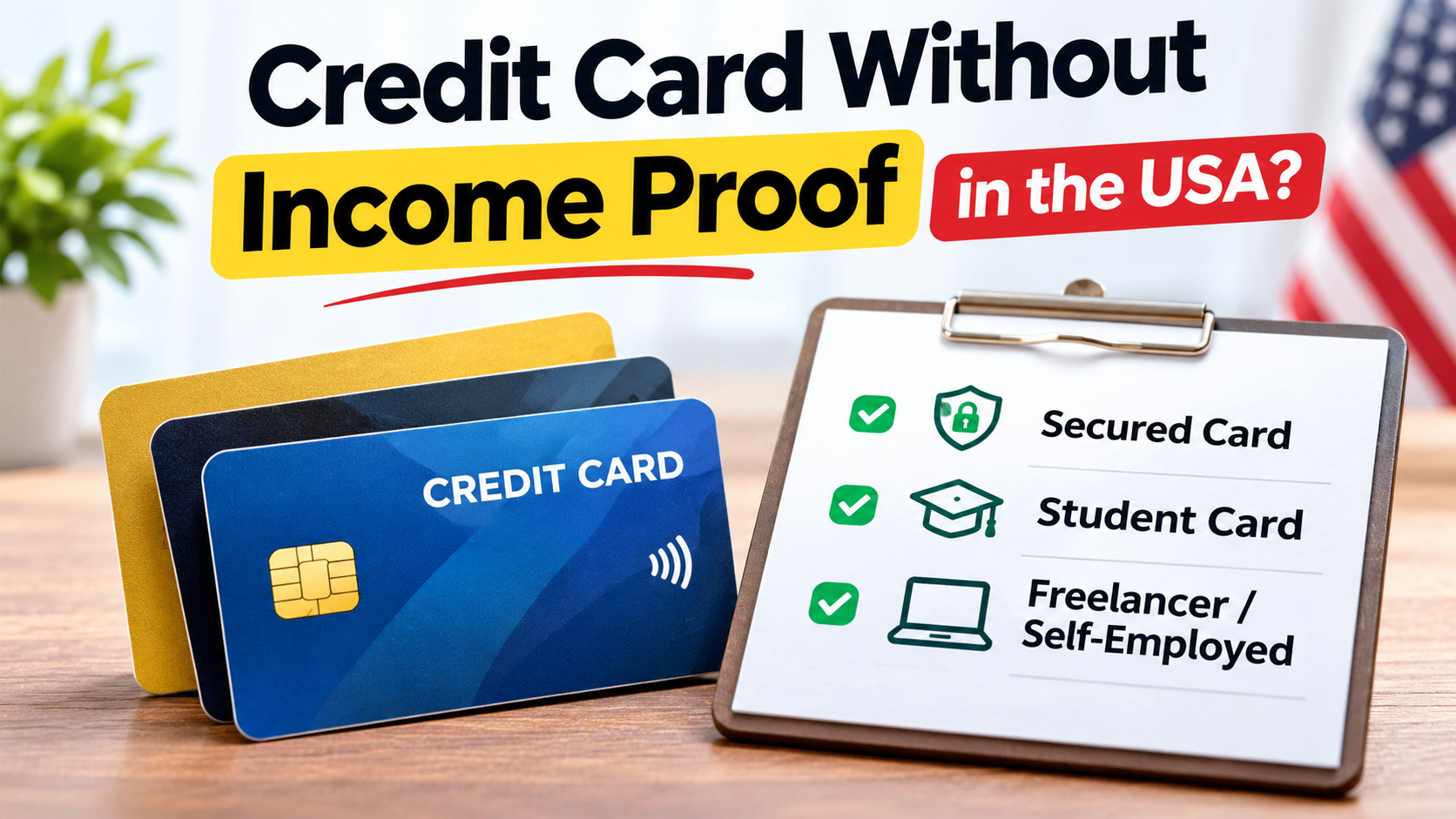
Credit card without income proof in the USA, illustrating secured credit cards, student cards, and options for freelancers and self-employed applicants.

Getting a credit card without income proof in the United States may be possible, even if you do not have traditional documents such as salary slips or employer-issued pay stubs. However, not having to upload income documents does not mean you can apply without having the financial ability to repay what you borrow.

Does Applying for a Credit Card Lower Your Credit Score?

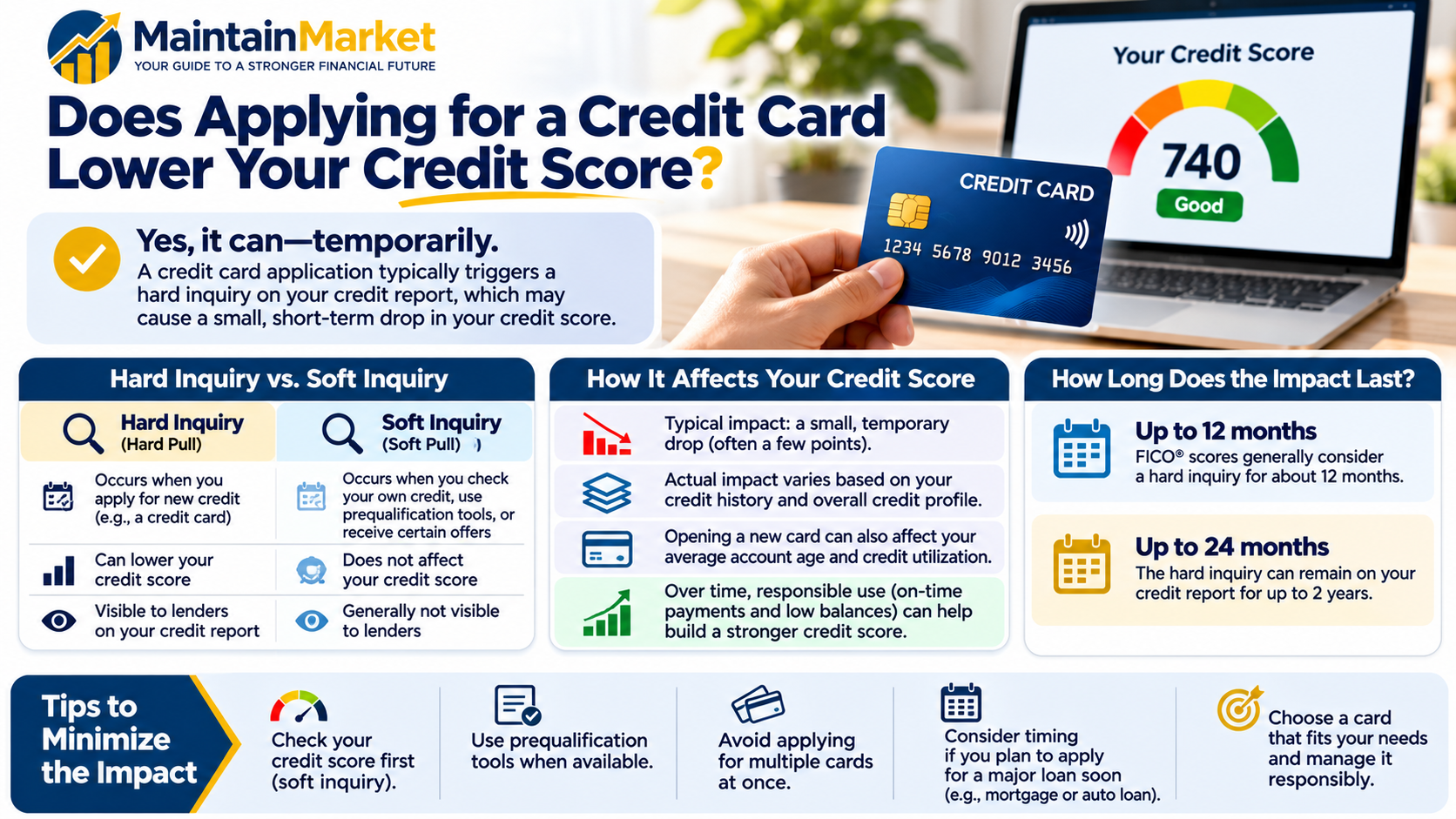
Does applying for a credit card lower your credit score infographic explaining hard inquiries, credit reports, and credit score impact

If you are planning to apply for a new credit card, you may be wondering: Does applying for a credit card lower your credit score? The short answer is yes, it can. When you submit a credit card application, the issuer will typically perform a hard inquiry on your credit report, which may cause your credit score to drop slightly.

11 Essential Questions to Ask Before Getting a Credit Card

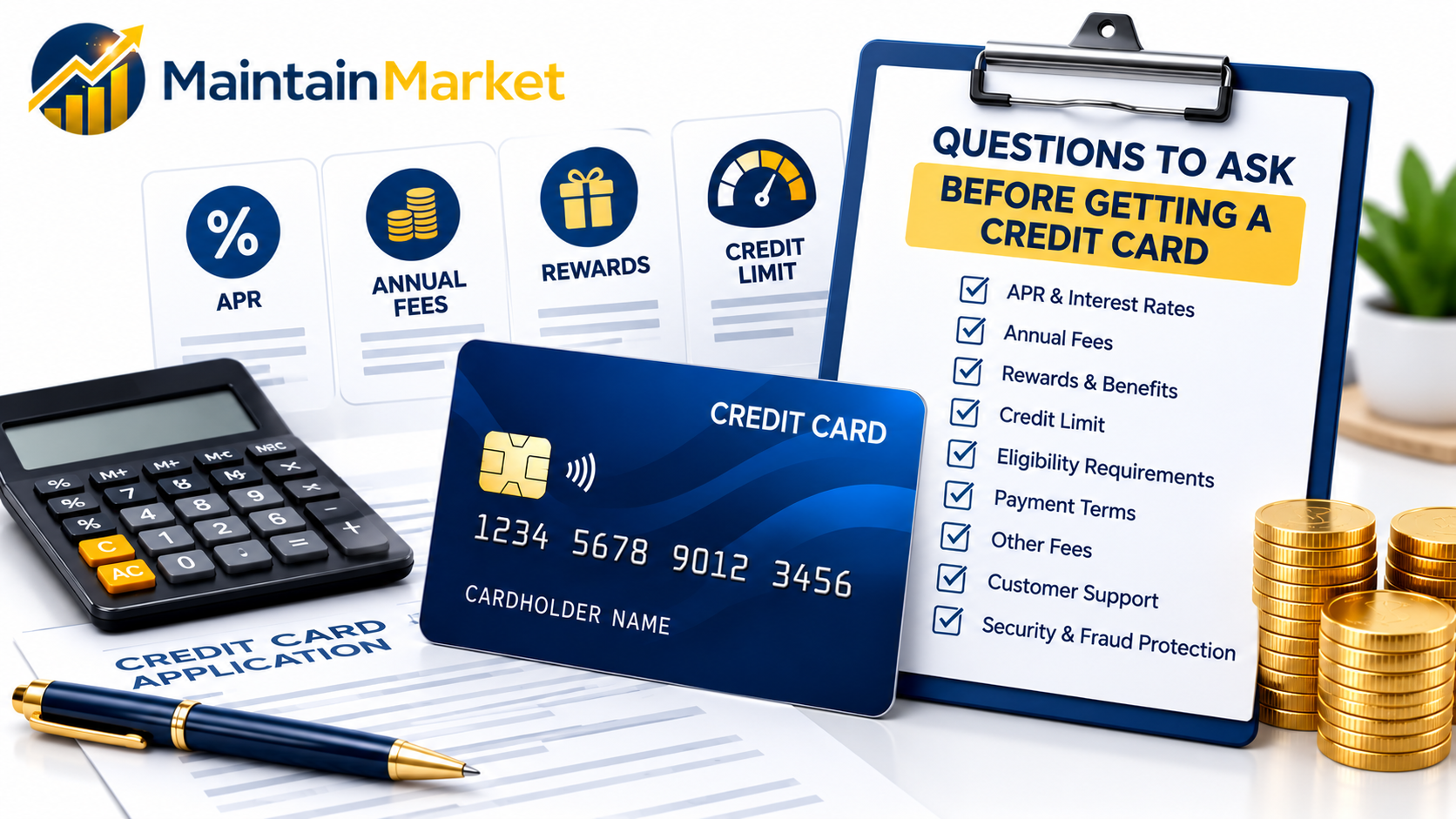
Questions to ask before getting a credit card, illustrating a credit card, APR details, annual fees, rewards, and a financial checklist.

Choosing your first credit card—or applying for another one—can be confusing when every issuer advertises different rewards, interest rates, and benefits. Asking the right questions to ask before getting a credit card can help you understand the costs, avoid unnecessary debt, and select a card that fits your financial situation.

7 Best Credit Card to Pay Car Insurance and Earn Rewards

Best credit card to pay car insurance

Paying your car insurance premium with a credit card may help you earn cash back, collect rewards, or meet a welcome-bonus spending requirement. However, the best credit card to pay car insurance depends on your insurer’s payment rules, any processing fees, and how much you spend on premiums each year.

CareCredit Eligibility Requirements: Credit Score, Age, Income, and Approval

CareCredit eligibility requirements, illustrating a healthcare payment card, credit report, and medical expenses.

If you are planning to pay for dental treatment, medical care, vision services, or veterinary expenses with CareCredit, understanding the CareCredit eligibility requirements can help you prepare before applying. CareCredit is a healthcare credit card issued by Synchrony Bank that eligible applicants can use at participating healthcare providers and other approved locations.

Best Credit Cards for Education Expenses: How to Choose the Right Card

Best credit cards for education expenses, comparing student credit cards, tuition payments, textbooks, and cash-back rewards.

The best credit cards for education expenses depend on what you need to pay for, whether your school accepts credit cards, and how much you can earn in rewards after fees. A cash-back card may be useful for textbooks, laptops, school supplies, and other eligible purchases. Paying college tuition with a credit card, however, requires more careful calculations because some schools charge processing fees.

How Credit Card Points and Miles Work: Earning, Redemption, and Value

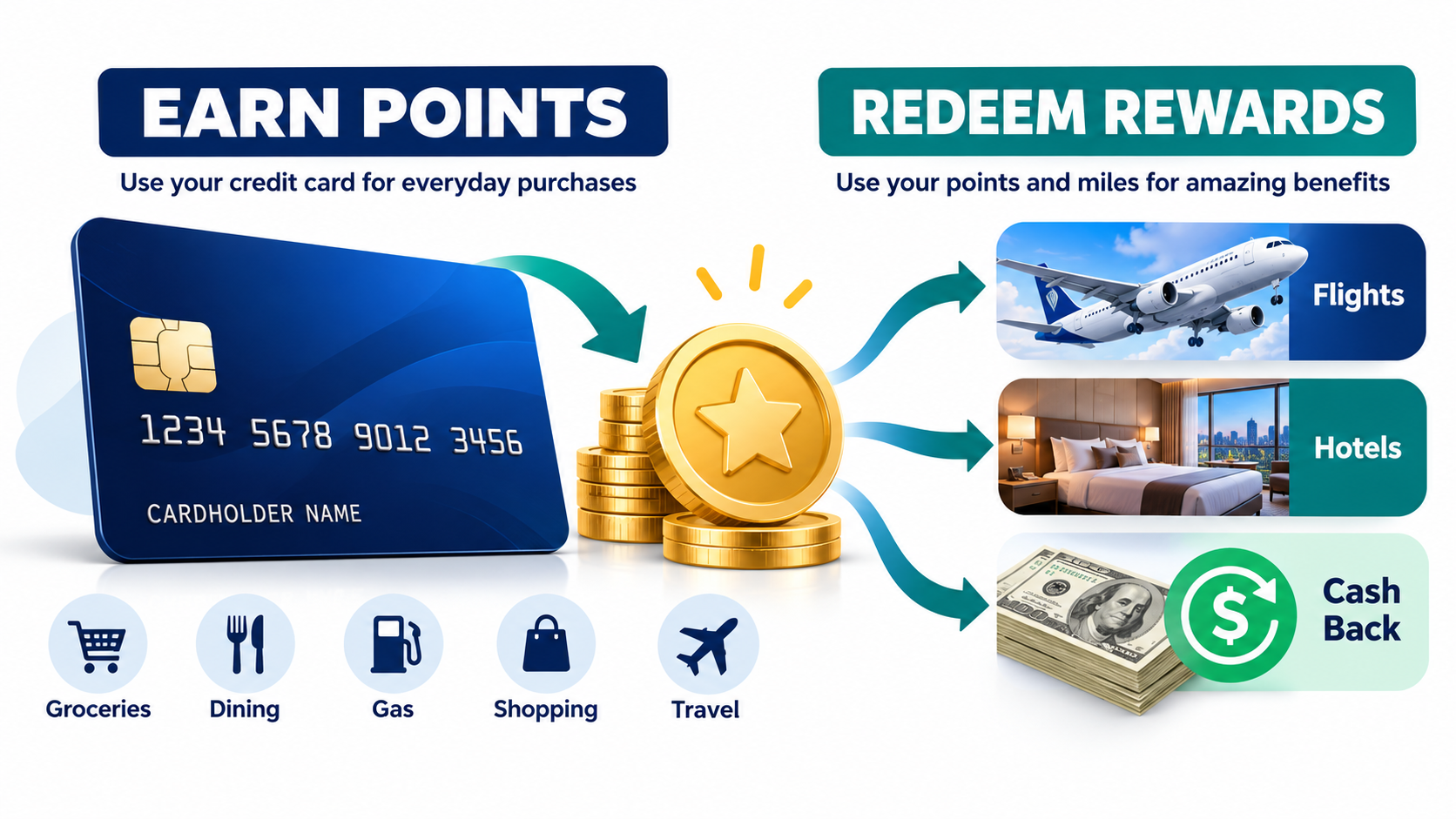
How credit card points and miles work, showing rewards earned from purchases and redemption options for flights, hotels, and cash back.

Understanding how credit card points and miles work can help you get more value from everyday purchases without spending extra money. Credit card rewards programs let eligible cardholders earn points or miles on qualifying purchases, welcome offers, and sometimes selected spending categories. Those rewards can often be redeemed for travel, cash back, statement credits, gift cards, or other benefits, depending on the program.

Credit Card vs Debit Card: Key Differences, Pros, Cons, and When to Use Each

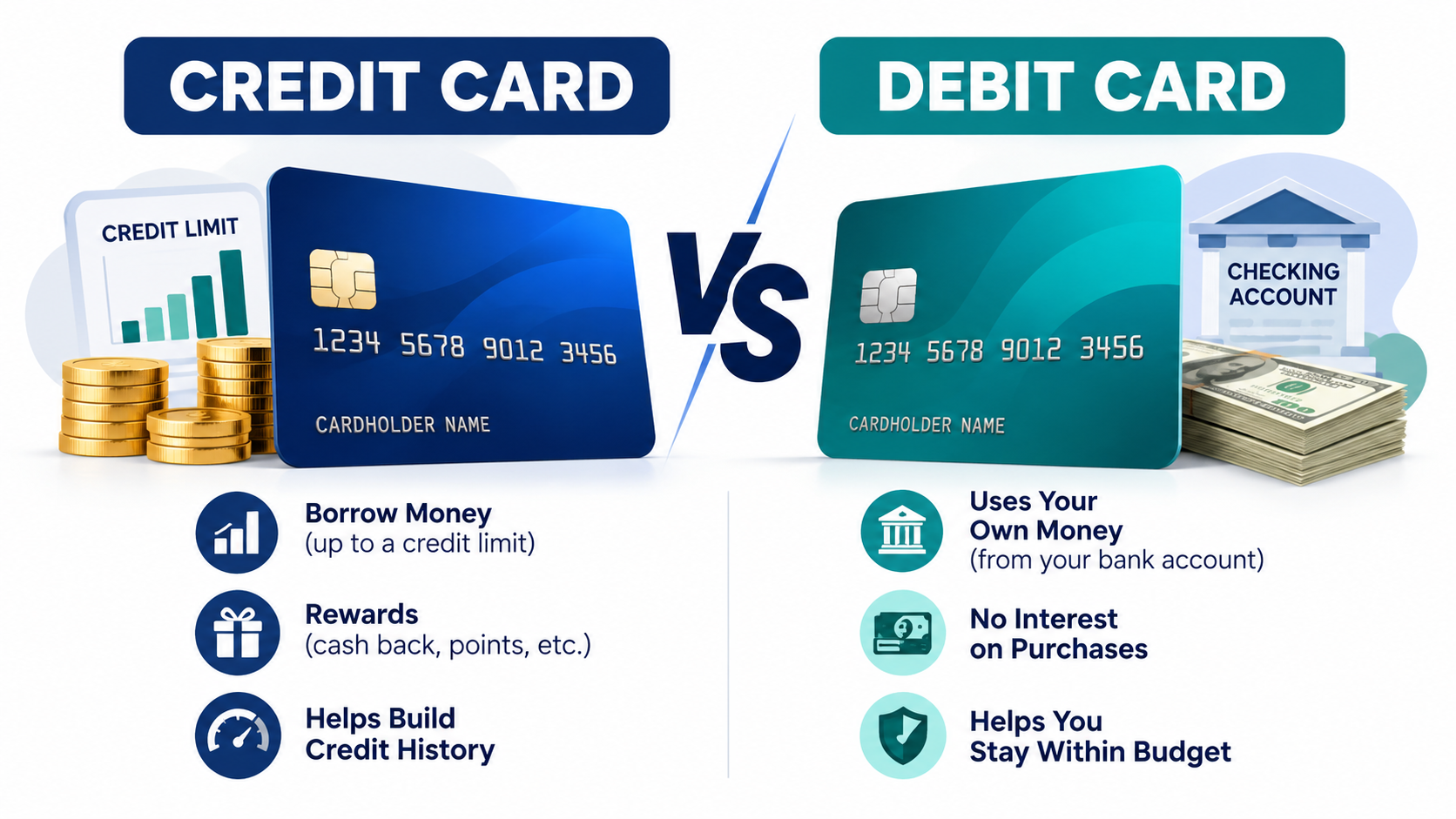
Credit card vs debit card comparison showing payment methods, spending, fraud protection, rewards, and credit-building differences.

A credit card vs debit card comparison can help you decide which payment method makes more sense for everyday purchases, online shopping, travel, and managing your money. Although both cards can look similar and work at many of the same stores, they handle your money differently. A debit card generally takes money from your checking account, while a credit card lets you borrow money up to an approved credit limit and repay it later.

9 Smart Ways to Choose 0 APR Credit Cards and Save on Interest

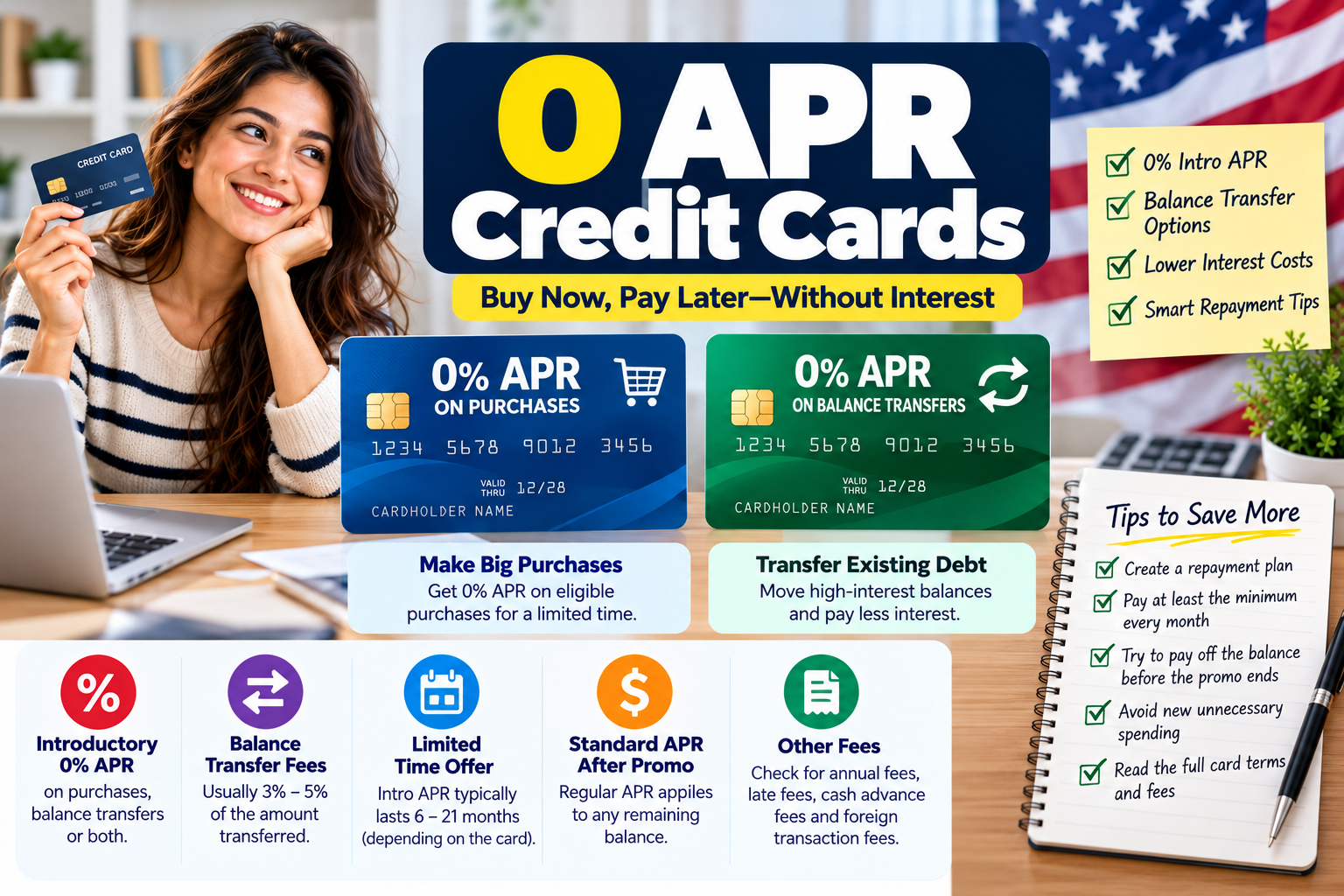
0 apr credit cards

0 APR Credit Cards can help you finance eligible purchases or pay down existing credit card debt without paying interest during a promotional period. However, the offer is temporary, and the standard APR, balance transfer fees, and repayment rules can make a significant difference to your total cost.