
Insurance is an absolute must for two-wheeler owners in India, providing financial protection against damage or theft and meeting legal requirements. Best Bike Insurance Companies here given the increasing number of vehicles on Indian roads, having an effective bike policy can protect you from unexpected expenses due to accidents, natural calamities or third-party liabilities. We will now explore India’s ten best bike insurers, exploring their features, benefits and what sets them apart from competitors in this competitive market.
What Is Bike Insurance (Two Wheeler Insurance)
Bike or two-wheeler insurance, also referred to as two-wheeler insurance, is designed to safeguard against potential risks to both motorcycles and scooters such as accidents, theft, natural disasters and third-party liabilities. While in India a minimum third-party liability policy must be purchased for your two-wheeler, more comprehensive policies provide greater peace of mind and may even provide better coverage overall.
Types of Bike Insurance in India
- Third-Party Liability Insurance: By law, third-party liability coverage must be at a minimum. It protects any injuries to third parties caused by you as well as property damages to others.
- Comprehensive Insurance: This form of coverage protects both third-party liabilities as well as damages to your own vehicle due to accidents, theft, fire and natural calamities.
- Standalone Own-Damage Coverage: This policy only covers damages done to the bike itself without covering third-party liabilities.
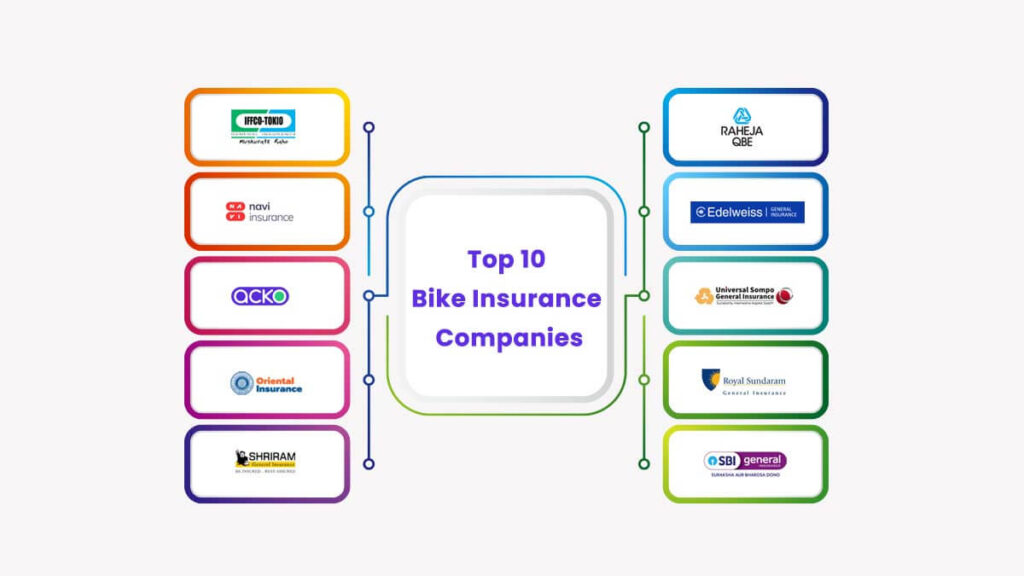
10 Best Bike Insurance Companies in India
1. ICICI Lombard General Insurance
ICICI Lombard is one of India’s premier insurance providers, known for their comprehensive and third-party motorcycle policies. The company offers flexible policies designed to meet individual needs such as comprehensive and third-party coverage.
Key Features:
- At our network of garages, cashless claim services are offered across a range of garages for easy and instantaneous processing of claims.
- Instant policy issuance online.
- Coverage for accessories, damage
- 24×7 customer support
2. Bajaj Allianz General Insurance

Bajaj Allianz is widely recognized for providing customer-focused motorcycle insurance policies with broad coverage and fast claim settlement.
Key Features:
- Flexible Policy Terms.
- Hassle-free Online Purchase/Renewal.
- Coverage for both Natural and Manmade Disasters.
- Finally, additional coverage features like zero Depreciation and Personal Accident cover can provide extra peace of mind.
3. HDFC ERGO General Insurance Policy

HDFC ERGO offers a comprehensive selection of bike insurance policies with attractive benefits and an outstanding claims settlement ratio.
Key Features:
- CASHLESS REPAIRS at multiple network garages
- 24×7 roadside assistance
- Instant policy issuance/renewal processes are just some
- Attractive add-on covers such as engine protection with returns back onto an invoice.
4. New India Assurance Company Ltd
New India Assurance provides reliable, cost-effective motorcycle policies with extensive coverage options at highly competitive rates.
Key Features:
- Attractions include comprehensive and third-party liability coverage.
- Plus discounts for installing antitheft devices can help bring premium costs down even further.
- An efficient claim settlement process
- Extensive network of cashless garages.
5. Oriental Insurance Company
Oriental Insurance is another public sector provider offering bike policies with numerous features and benefits.
Key Features:
- Our Accident Damage, Theft, and Third-Party Liabilities Coverage is ideal for accidental damage, theft and third-party liabilities resulting from accidents on any automobile, theft or vandalism.
- Members of recognized automobile associations receive discounts on premium costs.
- Plus our online policy renewal system makes renewal simple
- Adding on extra protection covers for added peace of mind.
6. IndusInd General Insurance
IndusInd General Insurance, formerly known as Reliance General Insurance Company Limited, is an established general insurer in India offering motor insurance products, including two-wheeler insurance. The company officially changed its name to IndusInd General Insurance Company Limited in September 2025.
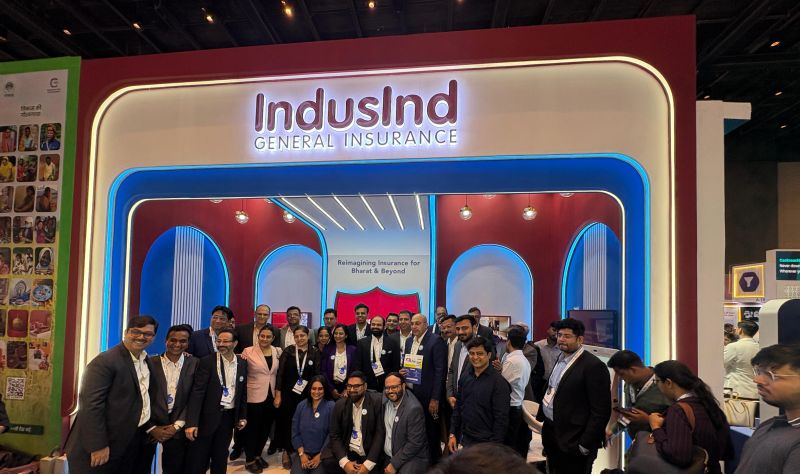
Key Features:
- Third-party and comprehensive bike insurance options
- Online policy purchase and renewal
- Cashless repair facilities, subject to policy terms and network availability
- Optional add-on covers depending on the policy
- Motor insurance and other general insurance products
- Digital policy and customer-service facilities
For the latest policy features, coverage, exclusions and available add-ons, readers should check the official IndusInd General Insurance website.
Best for: Bike owners who want to compare an established insurer’s two-wheeler insurance options along with other major insurers.
7. Tata AIG General Insurance Services Ltd

Tata AIG is well known for offering innovative bike insurance policies with comprehensive coverage and added benefits that provide significant peace of mind to policyholders.
Key Features :
- Multiple add-on covers such as depreciation reimbursement and roadside assistance
- Easily purchased online and renewed
- Cashless claim services are offered at multiple network garages
- 24/7 customer support services.
8. SBI General Insurance

SBI General Insurance offers two-wheeler policies tailored to the diverse needs of bike owners in India.
Key Features:
- Comprehensive protection from multiple risks.
- Discounts will be granted to riders and installers of anti-theft devices who demonstrate safe riding behaviour.
- Online policy issuance and renewal made simple!
- Efficient claim settlement process.
9. United India Insurance Company

United India Insurance is an established public sector insurer offering reliable bike policies with attractive benefits.
Key Features:
- Coverage against natural disasters, theft and third-party liabilities.
- Discount on anti-theft devices.
- Claims Settlement Process Is quick and effortless
- Extensive network of cashless garages.
10. IFFCO Tokio General Insurance

IFFCO Tokio General Insurance is an established general insurance company in India that offers two-wheeler insurance for motorcycles and scooters. Its bike insurance options include third-party liability coverage as well as broader protection for eligible own-damage risks, depending on the policy selected.
The company offers online insurance services, allowing customers to explore, purchase and manage policies digitally.
Key Features:
- Third-party bike insurance coverage
- Comprehensive two-wheeler insurance options
- Protection against covered accidents, theft and other specified risks
- Optional add-on covers, depending on the policy
- Online policy purchase and renewal
- Claim assistance and customer support
- Network garages for eligible cashless repair services
Why Consider IFFCO Tokio?
IFFCO Tokio can be worth considering if you want to compare an established insurer with other major bike insurance providers. However, premiums, coverage, add-ons and claim services can vary depending on your bike, location and policy.
Before purchasing, compare the policy’s premium, IDV, deductibles, exclusions, add-ons and garage network with other insurers.
Official Website: IFFCO Tokio General Insurance
Best for: Bike owners looking for another established insurer to compare when purchasing or renewing two-wheeler insurance.
How to Compare Bike Insurance Companies in India
Choosing the best bike insurance company is not simply about finding the lowest premium. Two insurers may offer different prices for what appears to be similar coverage, but the deductible, IDV, add-ons, exclusions and claim conditions can be different.
The Insurance Regulatory and Development Authority of India (IRDAI) recommends comparing multiple quotes and specifically suggests obtaining three or more comparison quotes. It also advises policyholders to compare deductibles, coverage and IDV rather than looking at the premium alone.
Before buying a policy, compare:
- Premium
- Third-party coverage
- Own-damage coverage
- Insured Declared Value (IDV)
- Deductible
- No Claim Bonus (NCB)
- Cashless garage network
- Available add-ons
- Claim process
- Policy exclusions
- Renewal options
- Customer support
A slightly more expensive policy may provide better value if it offers coverage that is important for your particular bike and riding habits.
What Is Claim Settlement Ratio in Bike Insurance?
Claim settlement ratio is a metric commonly used by consumers when comparing insurance companies. It generally indicates the proportion of claims settled by an insurer during a particular period.
However, claim settlement ratio should not be the only factor used to choose a bike insurance company.
A high ratio does not automatically mean that every claim will be approved or that every customer will have an excellent claims experience. Claim outcomes can depend on the policy terms, documentation, circumstances of the accident, exclusions, deductibles and other factors.
When researching claim performance, always check the insurer’s latest disclosures and understand what period and methodology the published figure represents.
For regulatory and insurer information, the IRDAI official website is a better starting point than relying on an outdated comparison table.
Why You Shouldn’t Choose an Insurer Based Only on Claim Ratio
Consider the complete picture:
Claim performance + coverage + premium + IDV + deductibles + garage network + service + policy exclusions
Together, these factors provide a more useful basis for comparing insurers.
How Is Bike Insurance Premium Calculated?
The price of bike insurance can vary considerably from one rider and vehicle to another.
IRDAI explains that own-damage premiums can differ between insurers and may be influenced by factors including the age of the vehicle, IDV, discounts, loading and previous claims experience. Third-party liability premiums are regulated by the applicable regulatory framework.
Factors that can influence your bike insurance premium include:
1. Age of the Bike
Older bikes generally have a lower market value, which can affect the IDV and own-damage premium.
2. Bike’s IDV
IDV, or Insured Declared Value, represents the insured value of the vehicle for relevant claims such as theft or total loss, subject to policy terms.
3. Location
The location where the vehicle is registered can affect the premium.
4. Engine Capacity
The bike’s engine specifications can affect applicable insurance pricing and third-party premium categories.
5. Previous Claims
Your previous claims history can influence your own-damage premium and No Claim Bonus.
6. Type of Policy
Third-party insurance generally costs less than comprehensive insurance because comprehensive coverage provides broader protection.
7. Add-Ons
Optional add-ons increase the premium but may provide additional protection.
What Is IDV in Bike Insurance?
IDV stands for Insured Declared Value.
It represents the approximate insured value of your bike for certain own-damage claims, particularly situations such as theft or a total loss, subject to the policy terms.
IRDAI states that the IDV should reflect the current market value of the vehicle.
A very low IDV can make the premium appear cheaper, but it can also reduce the amount payable in an eligible total-loss or theft claim.
Therefore, don’t compare two bike insurance policies based only on premium. Check whether their IDVs and other coverage terms are comparable.
What Is No Claim Bonus (NCB) in Bike Insurance?
No Claim Bonus, commonly called NCB, is a benefit offered for not making claims during the previous policy period.
According to IRDAI, NCB applies to the own-damage portion of the premium and can increase progressively, subject to applicable rules, up to the specified maximum.
One important point is that NCB belongs to the insured person, not the vehicle. If you sell your bike, the policy can be transferred to the new owner, but the original owner’s accumulated NCB does not automatically transfer with the vehicle.
This makes NCB an important factor to consider when renewing or switching insurers.
What Are the Most Useful Bike Insurance Add-Ons?
Add-ons can provide additional protection beyond the standard policy, but you don’t necessarily need every available add-on.
Depending on the insurer and policy, commonly available options can include:
Zero Depreciation Cover
This can reduce the impact of depreciation deductions on certain covered parts during a claim, subject to the policy’s terms and conditions.
Roadside Assistance
This can help when your bike breaks down or you need roadside support, depending on the specific cover.
Engine Protection
This may provide additional protection for certain engine-related losses that may not be covered under a standard policy.
Return to Invoice
For eligible vehicles and claims, this type of cover may provide additional protection based on the invoice value rather than only the standard claim settlement basis, subject to policy terms.
Consumables Cover
This may cover certain consumable items used during an eligible repair.
Tip: Don’t buy add-ons simply because they are available. Consider the age of your bike, how frequently you ride, your location and the risks you are most concerned about.
What Is the Difference Between IDV, Premium and Deductible?
These three terms are often confused.
Premium: The amount you pay for the insurance policy.
IDV: The insured value assigned to your bike for relevant own-damage claims.
Deductible: The amount you may have to bear yourself when settling an eligible claim, depending on the policy and type of deductible.
A policy with a lower premium isn’t necessarily better if it has a significantly lower IDV or less suitable coverage.
What Is a Cashless Garage in Bike Insurance?
A cashless garage is generally a network workshop where the insurer can settle eligible repair costs directly with the garage according to the policy and claim terms, with the policyholder paying applicable deductibles and non-covered expenses.
However, don’t select an insurer based only on the total number of garages advertised nationally.
Check whether the insurer has suitable network garages in your city or area.
A large national network is less useful if your preferred repair facility isn’t included.
How to File a Bike Insurance Claim
If your bike is involved in an accident or suffers another covered loss, notify your insurer as soon as reasonably possible and follow its claim procedure.
A typical claim process may involve:
- Informing the insurer
- Providing policy and vehicle details
- Reporting the accident or loss
- Submitting required documents
- Vehicle inspection or assessment where applicable
- Taking the bike to an approved/network garage when appropriate
- Repair assessment
- Claim approval and settlement according to the policy terms
The exact process can vary between insurers and claim types.
Keep documents such as your policy information, registration certificate, driving licence and other required records readily available.
Common Reasons a Bike Insurance Claim May Be Rejected or Reduced
Having insurance doesn’t mean every loss is automatically covered.
A claim can be affected by factors such as:
- Policy exclusions
- Driving without a valid licence
- Incorrect or incomplete information
- Use of the vehicle outside permitted conditions
- Failure to follow policy conditions
- Unreported vehicle modifications
- Fraudulent claims
- Delayed notification where it materially affects the claim
- Damage that isn’t covered under the selected policy
Always read the policy wording and exclusions before purchasing.
If you modify your bike, such as adding certain accessories or changing its configuration, inform the insurer where required. IRDAI advises policyholders to inform the insurer about relevant changes and obtain the appropriate endorsement.
What Happens If Bike Insurance Expires?
You should renew your bike insurance before the existing policy expires.
IRDAI advises policyholders to approach the insurer for renewal before expiry and notes that a break in insurance can result in vehicle inspection requirements.
Riding without the legally required third-party insurance can also expose you to legal and financial consequences.
Don’t wait until the last day if you can avoid it. Give yourself enough time to compare policies and renew without unnecessary disruption.
Is Third-Party Bike Insurance Enough?
Third-party liability insurance is legally required for vehicles being used on public roads in India.
IRDAI states that third-party liability insurance is mandatory and covers liability for injuries and damages to others for which the insured is responsible.
However, third-party insurance does not provide the same own-damage protection as a comprehensive or standalone own-damage policy.
If you want protection for your own bike against covered risks such as accidents or theft, consider whether comprehensive or appropriate own-damage coverage makes sense for your situation.
Comprehensive vs Third-Party Bike Insurance
| Feature | Third-Party Insurance | Comprehensive Insurance |
|---|---|---|
| Third-party liability | Yes | Yes |
| Own bike damage | Generally not covered | Covered subject to policy |
| Theft protection for own bike | No | Generally included subject to terms |
| Natural calamity damage to own bike | No | Generally included subject to terms |
| Premium | Lower | Higher |
| Suitable for | Meeting mandatory liability requirement | Broader protection |
The exact coverage depends on the policy wording, exclusions and selected options.
How to Choose the Best Bike Insurance Company for Your Needs
Instead of asking only “Which company is No. 1?”, ask which insurer is most suitable for your circumstances.
If you have a new or expensive bike
Consider comprehensive coverage and evaluate useful add-ons such as zero depreciation or return-to-invoice cover, where available and appropriate.
If you have an older bike
Compare the premium against the bike’s current value and IDV. Paying for extensive add-ons may not always provide good value.
If you ride frequently
Roadside assistance and broader own-damage coverage may be worth considering.
If you mainly want legal compliance
A third-party policy may satisfy the mandatory liability requirement, although it won’t provide equivalent protection for your own bike.
If you want the cheapest suitable policy
Compare at least three equivalent quotes rather than choosing the first low-priced policy you see.
10 Questions to Ask Before Buying Bike Insurance
Before purchasing or renewing your policy, ask:
- What exactly does this policy cover?
- What are the major exclusions?
- What is the IDV?
- What is the deductible?
- Which add-ons are actually useful for my bike?
- Are my preferred garages part of the cashless network?
- How does the claim process work?
- What happens if I sell the bike?
- How will my NCB be handled?
- Is this premium genuinely lower after comparing equivalent coverage?
These questions can help you avoid choosing a policy based only on an attractive headline price.
Benefits of Bike Insurance in India
Add-On Covers: Extra coverage such as zero depreciation, engine protection and roadside assistance extend the coverage provided by a base policy.
Legal Compliance: Third-party auto insurance coverage is mandatory under the Motor Vehicles Act, of 1988.
Financial Protection: bike insurance protects from damage, theft and third-party liabilities to ensure financial security for both rider and their finances.
Peace of Mind: Knowing your bike is protected against unexpected events gives you peace of mind.
Cashless Repairs: Many insurers provide cashless repairs at network garages, making the claim process seamless and effortless.
Important: Don’t Choose a Bike Insurer Only by Claim Ratio
Claim-settlement statistics can be useful when researching insurers, but they shouldn’t be treated as a guarantee of your individual claim outcome.
A more complete comparison should consider:
Claim performance + premium + IDV + coverage + exclusions + deductibles + add-ons + garage network + customer service.
This is particularly important because IRDAI itself advises consumers to compare premiums, deductibles, coverage and IDV when shopping for motor insurance.
Quick Bike Insurance Comparison Checklist
Before clicking Buy, check:
☐ Premium compared with at least two or three alternatives
☐ Correct bike details
☐ Correct IDV
☐ Appropriate third-party coverage
☐ Own-damage coverage if required
☐ Deductible
☐ NCB
☐ Cashless garages near you
☐ Relevant add-ons
☐ Policy exclusions
☐ Claim procedure
☐ Renewal date
☐ Insurer’s official policy wording
Taking a few extra minutes to compare these details can help you avoid choosing a policy simply because it has the lowest displayed price.
Official insurer links
You can naturally link the insurer names in your Top 10 list:
- ICICI Lombard
- Bajaj Allianz General Insurance
- HDFC ERGO
- New India Assurance
- Oriental Insurance
- IndusInd General Insurance
- Tata AIG
- SBI General Insurance
- United India Insurance
- IFFCO Tokio
Why Maintain Market Is Different
At Maintain Market, we aim to make financial and insurance decisions easier to understand instead of simply publishing a list of products or companies.
When comparing bike insurance, for example, we don’t want readers to look only at a premium or a claim ratio. We want them to understand what they are actually buying, what the policy covers, what it doesn’t cover, and which factors can affect the value of the policy.
Our approach focuses on:
- Simple explanations of complicated insurance terms
- Practical comparisons instead of generic rankings
- Clear explanations of policy types and add-ons
- Current information when insurers or regulations change
- Authoritative sources for important insurance information
- Practical checklists readers can use before purchasing
- Helping readers compare options rather than blindly choosing one company
The goal is simple: give readers enough useful information to make a more informed financial decision.
Maintain Market — Clear information. Smarter financial decisions.
FAQs About Bike Insurance Companies
Q1. What is the difference between third-party and comprehensive bike insurance?
A: Third-party coverage only protects third parties for damages they sustain from riding your bike; comprehensive policies provide coverage against both third-party liabilities as well as damages to your own bike.
Q2. How is the premium for bike insurance calculated?
A: The premium for motorcycle insurance coverage depends on factors like its model and make, age, location and type of coverage chosen.
Q3. Can I transfer my bike insurance policy to the new owner if I sell my bike?
A: Yes, you can transfer the policy. Just inform the insurance provider and complete all required documentation.
Q4. What are add-on covers in bike insurance?
A: Add-on covers are additional benefits available with the base policy to provide enhanced protection, such as zero depreciation, roadside assistance and engine protection.
Q5. How do I file a claim for bike insurance?
A: As soon as an incident occurs, notify your insurer, provide all relevant documents, and follow their claim process accordingly.
Q6. Which bike insurance company is best in India?
There is no single bike insurance company that is best for every rider. The right insurer depends on your bike, location, coverage requirements, premium, IDV, deductibles, add-ons, garage network and claim process. Comparing multiple quotes can help you find the most suitable policy.
Q7. Is bike insurance mandatory in India?
Yes. Third-party liability insurance is mandatory for vehicles being used on public roads in India. IRDAI recommends considering comprehensive or appropriate own-damage coverage if you also want protection for your own bike.
Q8. What is IDV in bike insurance?
IDV stands for Insured Declared Value. It represents the insured value of your bike for relevant own-damage claims and should broadly reflect the vehicle’s current market value, according to IRDAI.
Q9. Is comprehensive bike insurance better than third-party insurance?
Comprehensive insurance generally provides broader protection because it can cover third-party liability as well as covered damage to your own bike. Third-party insurance primarily covers your legal liability toward third parties and is the mandatory minimum cover.
Q10. Can I buy bike insurance online?
Yes. Many insurance companies allow customers to purchase and renew bike insurance online. Before paying, compare the coverage, IDV, deductibles, exclusions and add-ons rather than choosing a policy based only on the premium.
Q11. How can I reduce my bike insurance premium?
You can compare quotes from multiple insurers, maintain your No Claim Bonus when eligible, choose only necessary add-ons and compare deductibles and IDV carefully. IRDAI specifically recommends comparing three or more quotes when shopping for motor insurance.
Q12. What is No Claim Bonus in bike insurance?
No Claim Bonus, or NCB, is a benefit provided for not making claims during the previous policy period. IRDAI states that NCB applies to the own-damage premium and can progressively increase up to the applicable maximum.
Q13. Can I change my bike insurance company at renewal?
Yes. You can compare other insurers when your existing policy is due for renewal. Before switching, compare the new policy’s coverage, premium, IDV, deductibles, add-ons and how your applicable NCB will be handled.
Q14. What happens if my bike insurance expires?
You should renew the policy before it expires. If there is a break in insurance, the vehicle may need to be inspected before coverage is issued, according to IRDAI.
Q15. Does bike insurance cover theft?
A comprehensive or appropriate own-damage policy can generally provide coverage for theft of the insured bike, subject to the policy terms, conditions and exclusions. A third-party-only policy does not provide the same protection for theft of your own vehicle.
Conclusion
Finding the appropriate two-wheeler insurance provider is paramount to protecting your two-wheeler properly. The companies listed here are among India’s premier bike insurers, offering comprehensive coverage, simple claim processes, and superior customer support services.
Evaluate your needs carefully, compare policies available, and select one that meets them most suitably – once secured with proper bike coverage you can ride with peace knowing you’re covered against unexpected events
2 thoughts on “10 Best Bike Insurance Companies in India (2026) – Compare Premium Benefits”