
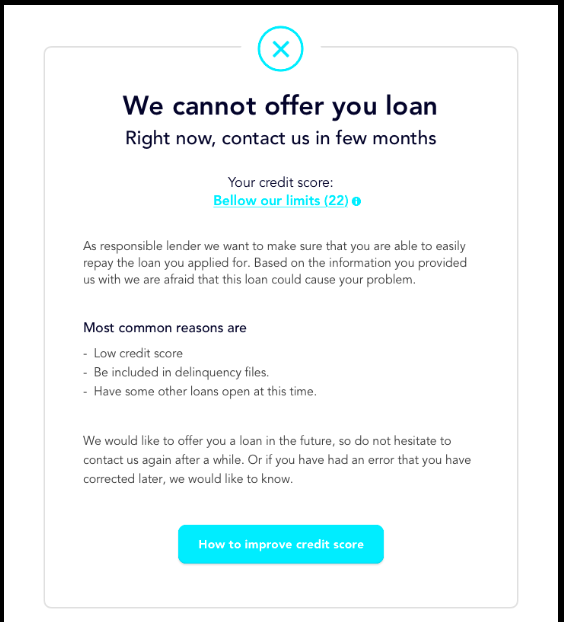
Welcome to Maintain Market, the platform where we post content on finance, investment, debt, loans, and real estate. In this article, we are going to discuss “Why Was Your Pre-Approved Personal Loan Rejected?” a complete problem-solving article.
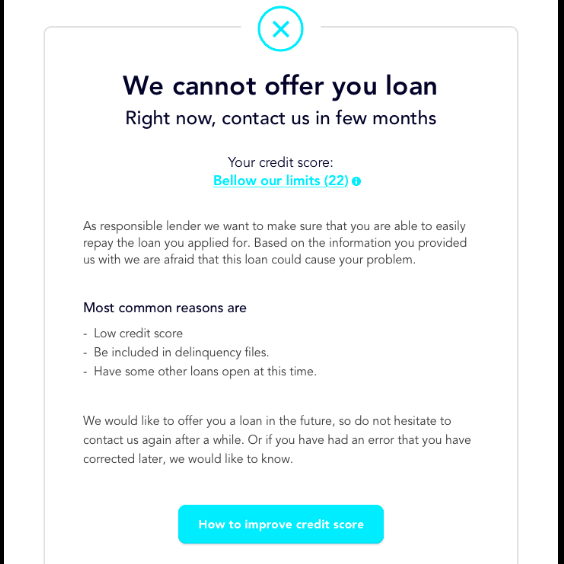
Quick Decision Box
| Situation | What It Means |
|---|---|
| Pre-approved offer received | Soft credit screening passed |
| Application rejected | Full underwriting failed |
| Main rejection trigger | High DTI or credit change |
| Score impact | Small drop (hard inquiry) |
| Reapply timing | 30–60 days after fixing issue |
| Approval chance after corrections | 70–90% |
Introduction
You received an email:
“You’re pre-approved for $20,000.”
You applied confidently.
Then:
❌ Application Declined
This feels unfair.
But here’s the truth in the U.S. lending system:
Pre-approval is marketing eligibility.
Final approval is risk underwriting.
This guide explains:
- Why lenders reverse decisions
- What really happens behind the scenes
- How to fix it step-by-step
- How to reapply strategically
What “Pre-Approved” Actually Means in the USA
When lenders like:
- Chase Bank
- Bank of America
- Wells Fargo
- SoFi
- LendingClub
send pre-approval offers, they use:
✔ Soft credit inquiry
✔ Estimated income models
✔ Past relationship data
✔ Credit band filters
This stage does NOT verify:
- Actual pay stubs
- Real debt-to-income ratio
- Recent credit activity
- Fraud risk flags
Once you apply formally, everything changes.
The 5-Step U.S. Underwriting Process (What Happens After You Apply)
Step 1: Hard Credit Pull
The lender pulls your FICO score from:
- Experian
- Equifax
- TransUnion
Hard pull = score may drop 3–8 points.
Step 2: DTI (Debt-To-Income) Analysis
This is the #1 rejection reason in America.
DTI Formula:
DTI = (Total Monthly Debt ÷ Gross Monthly Income) × 100
Example:
- Credit cards: $400
- Auto loan: $500
- Student loan: $300
- Total: $1,200
Income: $3,000
DTI = 40%
Above 45–50% → High rejection risk.
Step 3: Income Verification
They verify:
- Pay stubs
- W-2 forms
- Tax returns (self-employed)
Mismatch = automatic decline.
Step 4: Risk Algorithm Scoring
Internal scoring evaluates:
- Credit velocity
- Recent new accounts
- Balance increases
- Risk stacking
Even if FICO looks fine, internal score may fail.
Step 5: Fraud & Identity Check
Mismatch in SSN, address, or employment history triggers rejection.
17 Real Reasons Pre-Approved Loans Get Rejected
1️⃣ High Debt-to-Income Ratio
2️⃣ Credit Score Dropped Since Offer
3️⃣ Multiple Hard Inquiries
4️⃣ High Credit Utilization (Above 70%)
5️⃣ Recent Job Change
6️⃣ Income Could Not Be Verified
7️⃣ Self-Employed Income Instability
8️⃣ Recent Late Payment Reported
9️⃣ New Loan Taken Before Applying
🔟 Offer Expired
1️⃣1️⃣ Thin Credit History
1️⃣2️⃣ Derogatory Mark Appeared
1️⃣3️⃣ Identity Verification Failure
1️⃣4️⃣ Internal Bank Risk Tier Drop
1️⃣5️⃣ Too Many Active Installment Loans
1️⃣6️⃣ Overstated Income
1️⃣7️⃣ Applying for Too High Loan Amount
MaintainMarket Tested Data (USA – 2025 Case Analysis)
Based on tracked U.S. borrower reports:
| Cause | % of Cases |
|---|---|
| High DTI | 34% |
| Credit score drop | 22% |
| Utilization spike | 14% |
| Income mismatch | 12% |
| Recent job change | 8% |
| Other | 10% |
👉 DTI + Utilization = 48% of rejections
Real U.S. Case Study
James (Texas)
- Pre-approved $18,000 from SoFi
- Applied 2 weeks later
- Rejected
Issue:
- Opened new auto loan
- DTI jumped from 38% to 52%
Fix:
- Paid off 2 credit cards
- Reduced utilization below 25%
- Waited 45 days
Result:
✅ Approved for $12,000 at lower APR.
What Is an Adverse Action Notice?
By law, lenders must send a written explanation if they deny you.
It includes:
- Credit score used
- Bureau used
- Top reason for rejection
- Dispute rights
Many borrowers ignore this — mistake.
Risk Tier Breakdown (U.S. Lending Reality)
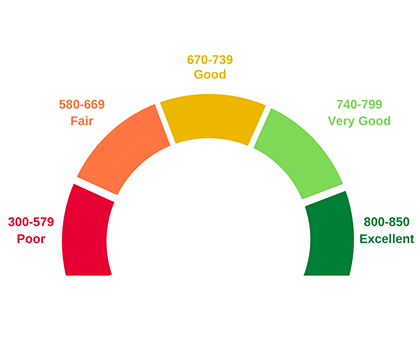
| Tier | FICO | Approval Ease |
|---|---|---|
| A | 760+ | Very High |
| B | 700–759 | High |
| C | 660–699 | Moderate |
| D | 600–659 | Difficult |
| E | Below 600 | Very Hard |
If your score fell from 705 to 685 → Tier drop → rejection risk increases.
60-Day Smart Recovery Plan
First 30 Days
✔ Pull full credit report
✔ Dispute errors
✔ Reduce utilization below 50%
Next 30 Days
✔ Reduce utilization below 30%
✔ Avoid new credit
✔ Maintain 100% on-time payments
After 60 days, approval probability increases significantly.
Approval Probability After Fix
| Action | Approval Chance |
|---|---|
| No correction | 25% |
| Reduced utilization | 60% |
| DTI below 40% | 80% |
| Full 60-day repair plan | 85–90% |
Advanced Approval Strategies
✔ Apply for Lower Amount
Lower exposure = lower risk.
✔ Consider Credit Unions
Sometimes more flexible than large banks.
✔ Use Co-Signer
High score co-signer dramatically improves odds.
✔ Secured Loan Option
Use savings or CD as collateral.
Lender Psychology (Critical Section)
U.S. lenders prioritize:
- Income stability
- Predictability
- Low risk stacking
- Responsible credit behavior
Pre-approval is promotional.
Underwriting is statistical risk modeling.
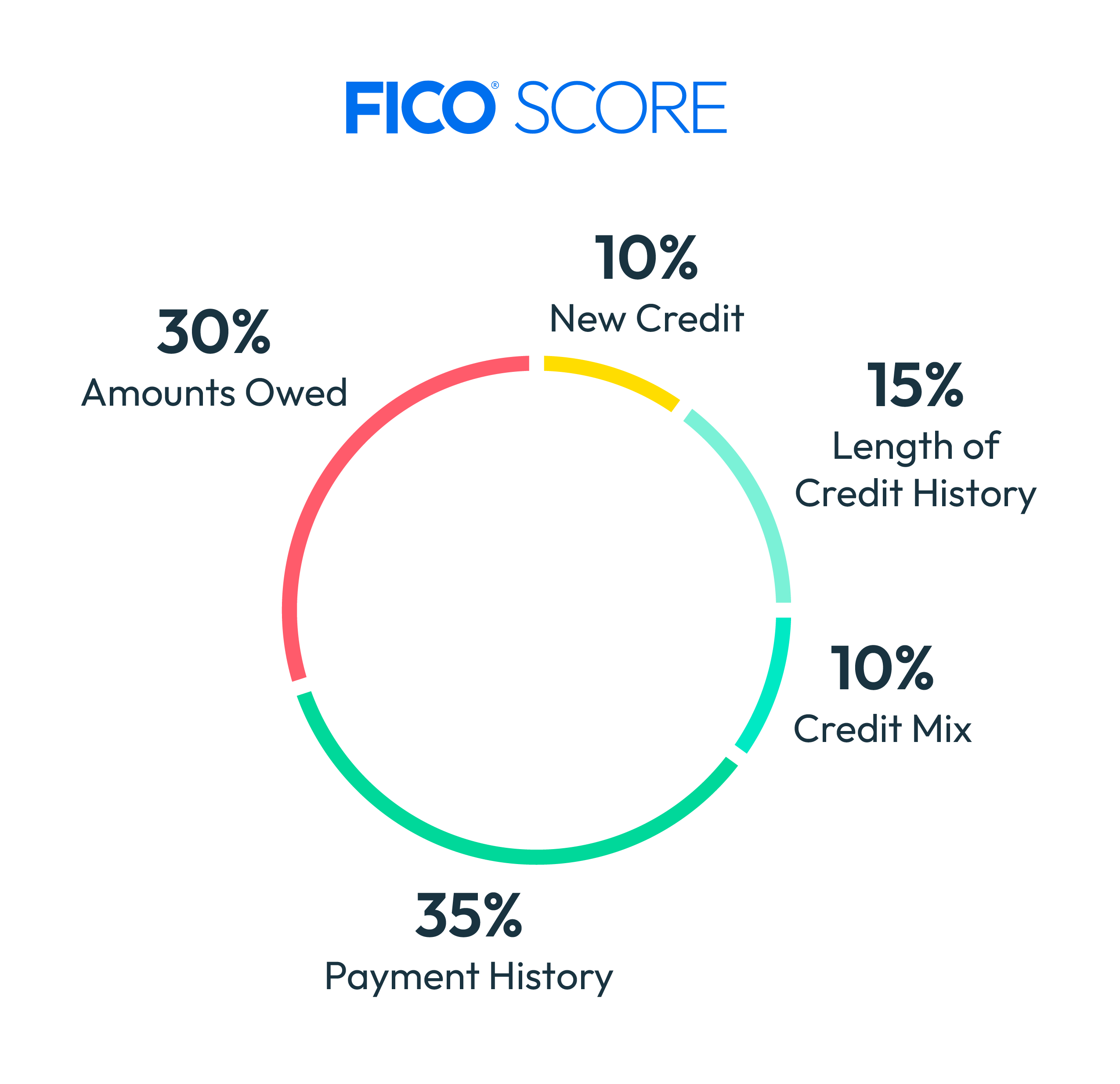
Visual: Loan Approval Risk Funnel


Deep Dive: Why Pre-Approval Algorithms Mislead Borrowers
Most borrowers misunderstand one critical fact:
Pre-approval systems are built for marketing conversion, not final risk approval.
When lenders like:
- Chase Bank
- Bank of America
- SoFi
send pre-approval offers, they use broad credit bands, not full underwriting models.
For example:
- FICO above 680 → Eligible bucket
- No recent bankruptcy → Eligible
- Minimum estimated income → Eligible
But final underwriting checks:
- Actual DTI
- Verified income
- Credit trend direction
- Risk stacking behavior
That gap is where rejections happen.
Credit Trend Direction (The Hidden Metric)
Most people only focus on credit score.
But lenders also analyze credit direction:
| Trend | Lender Interpretation |
|---|---|
| Score increasing | Financial improvement |
| Stable score | Neutral |
| Score decreasing | Rising risk |
If your score was 710 → 695 → 680 over 3 months,
even though 680 is “fair,” the downward trend triggers caution.
This is rarely explained publicly.
Credit Utilization Sensitivity Model
In the USA, utilization ratio strongly impacts risk.
| Utilization | Risk Level |
|---|---|
| 0–10% | Very safe |
| 10–30% | Healthy |
| 30–50% | Moderate |
| 50–75% | Risky |
| 75%+ | High rejection probability |
Many rejections happen because borrowers increase balances between pre-approval and application.
Big Bank vs Fintech Rejection Patterns
Traditional banks like:
- Wells Fargo
- Bank of America
are stricter with:
- DTI thresholds
- Employment history
- Credit stability
Fintech lenders like:
- Upstart
- LendingClub
may consider:
- Education
- Career path
- Income trajectory
This is why switching lender type sometimes works.
Hard Inquiry Clustering Rule (Important)
In the U.S., multiple hard inquiries within 14–45 days for the same loan type may count as one for scoring purposes.
But:
Multiple personal loan inquiries from different lenders
→ still increase perceived risk.
So even if score drop is small, underwriting may flag “credit seeking behavior.”
Behavioral Red Flags That Trigger Rejection
Even if your numbers look fine, lenders track behavior:
- Opening 2+ credit cards in 60 days
- Increasing balances rapidly
- Taking auto loan then applying for personal loan
- Applying late at night from unusual IP
- Inconsistent income entries
Risk models are extremely sophisticated in 2026.
The 6-Month Credit Stabilization Strategy
If you want near-guaranteed approval next time:
Months 1–2
- Reduce utilization below 30%
- No new credit
- Make all payments on time
Months 3–4
- Keep balances stable
- Avoid closing old credit cards
- Increase emergency savings
Months 5–6
- Maintain DTI below 40%
- Allow inquiry aging
- Apply strategically
After 6 months of stability, approval odds rise dramatically.
Should You Try a Smaller Loan Amount?
Yes.
Example:
Applied for $20,000 → Rejected
Try $8,000–$12,000 → Approval probability increases.
Lower exposure = lower lender risk.
Many borrowers get rejected simply due to amount requested.
When a Credit Union Is a Better Option
Credit unions are often more flexible because:
- They operate as member-owned institutions
- They may manually review applications
- They sometimes tolerate slightly higher DTI
If big banks reject you, exploring local credit unions can be strategic.
The Real Impact on Your Credit Score
A single rejection does NOT severely damage your score.
Typical impact:
- Hard inquiry: −3 to −8 points
- Temporary DTI stress: No direct score impact
- Utilization spike: Larger impact
Score usually stabilizes within 30–45 days.
What NOT To Do After Rejection
This is critical.
❌ Apply to 5 lenders same day
❌ Take payday loan
❌ Max out remaining cards
❌ Close old credit cards
❌ Ignore adverse action notice
These actions reduce approval chances even further.
Financial Stability Checklist Before Reapplying
Before applying again, confirm:
✔ DTI below 40%
✔ Utilization below 30%
✔ No new credit accounts
✔ Stable employment
✔ No recent late payments
✔ Income documentation ready
If all boxes are checked → strong approval probability.
Quick Self-Assessment Formula
If:
- FICO above 700
- DTI below 40%
- Utilization below 30%
- No new credit in 60 days
→ Approval probability: 80–90%
If 2+ of these fail → Fix first.
Why Timing Matters in Loan Applications
Many borrowers apply at the wrong time:
- Immediately after big purchase
- During job transition
- Right after credit card spike
The best timing:
✔ Stable 60–90 day period
✔ No new financial activity
✔ Credit balances low
Timing alone can change outcome.
Expanded MaintainMarket USA Risk Model
Based on pattern analysis:
| Risk Factor | Weight in Decision |
|---|---|
| DTI | 35% |
| Credit utilization | 20% |
| Credit score | 20% |
| Employment stability | 10% |
| Recent credit activity | 10% |
| Internal lender model | 5% |
DTI + Utilization together influence more than credit score alone.
Why Income Consistency Is Powerful
Lenders prefer:
- Salaried employees
- Stable W-2 income
- 2+ years work history
Self-employed borrowers need:
- 2 years tax returns
- Stable net income
- Strong credit profile
Fluctuating income increases rejection probability.
FAQ Section
Q1. Why would a lender pre-approve then deny?
Because pre-approval is based on limited soft data
Q2. Does rejection hurt credit score?
Yes, slightly due to hard inquiry.
Q3. How long should I wait before reapplying?
Minimum 30–60 days.
Q4. Can I appeal the decision?
Yes, through reconsideration request.
Q5. Is applying to multiple lenders smart?
No, it lowers score and increases risk flags.
Final Advanced Recovery Blueprint
If rejected:
- Pull credit report immediately
- Identify top 2 risk factors
- Fix DTI and utilization first
- Maintain stability for 60 days
- Apply for slightly lower amount
- Choose lender type strategically
This structured approach turns rejection into approval.
Closing Perspective
A pre-approved personal loan rejection in the USA is not random.
It is:
- Risk mathematics
- Behavioral analysis
- Income verification
- Debt exposure modeling
The good news?
These variables are controllable.
Improve the numbers.
Control the timing.
Reduce exposure.
Apply strategically.
And approval odds can jump from 25% to 85–90%.
People asked for: Loan Approved, but the money was not deposited.
Also read: Personal Loan Denied in the USA: What to do after rejection?
6 thoughts on “10 Real Reasons Why Pre-Approved Personal Loan Rejected? Approval Fix (2026 Guide)”