
Got rejected for an instant approval credit card? Learn the real reasons, quick fixes, and how to get approved even with low credit in the USA. Let’s talk about Instant Approval Credit Cards USA in this article.
Before applying, always check eligibility first.
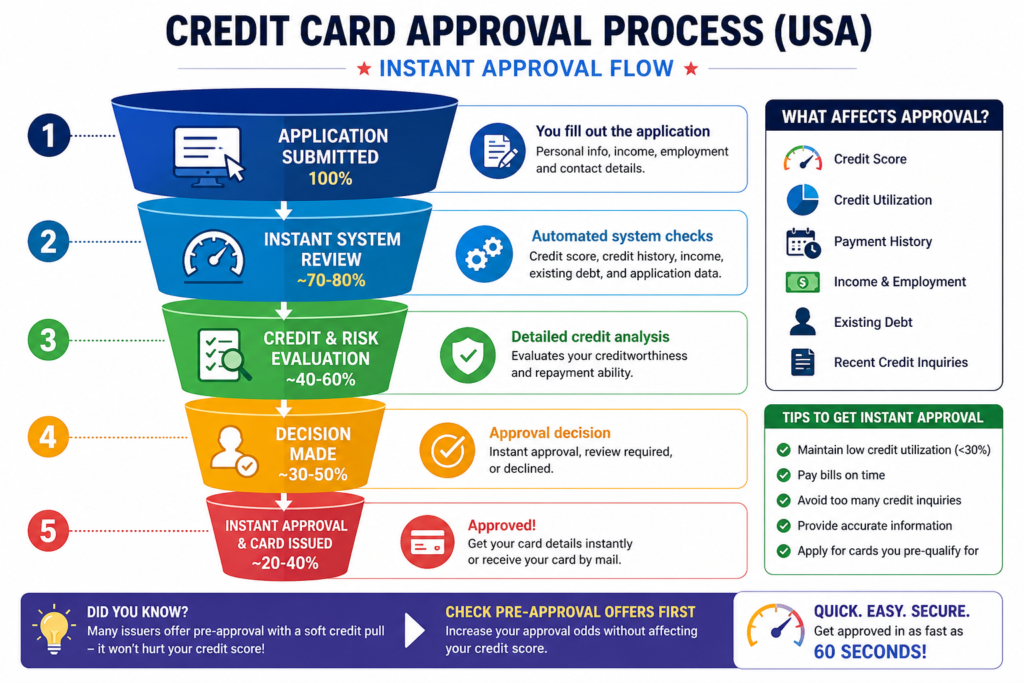
A pre-approval tool:
- Takes under 60 seconds
- Doesn’t impact your score
- Shows real approval chances
This is the safest way to avoid another rejection.
You saw it everywhere.
“Get instant approval in 60 seconds.”
“No credit history required.”
“Apply now, get approved instantly.”
So you applied.
And within seconds… rejected.
No explanation. No warning. Just a flat denial.
If that happened to you, you’re not alone. Thousands of people in the USA apply for instant approval credit cards every day—and a huge percentage get rejected instantly.
Here’s the truth:
It’s not random. It’s not bad luck.
There’s a system behind it.
And once you understand it, you can fix it—fast.
Quick Answer Box
Why you’re not getting instant approval credit cards:
- Your credit score doesn’t match the card’s hidden threshold
- High credit utilization (even if your score looks okay)
- Too many recent applications (hard inquiries)
- Thin or no credit history
- Income mismatch or unstable profile
Fast Fix:
- Reduce utilization below 10%
- Wait 7–14 days between applications
- Apply for the right tier (not premium cards)
- Use pre-approval tools (soft checks)
Why This Problem Happens (Real Reasons, Not Textbook)
Let’s be honest—banks don’t tell you the real criteria.
They market “instant approval,” but internally they use strict filters.
1. You Applied for the Wrong Card Tier
Most people jump straight to premium cards.
Reality:
- Premium cards = 700+ credit score
- Mid-tier cards = 630–700
- Starter cards = below 630
If your profile doesn’t match, rejection is automatic.
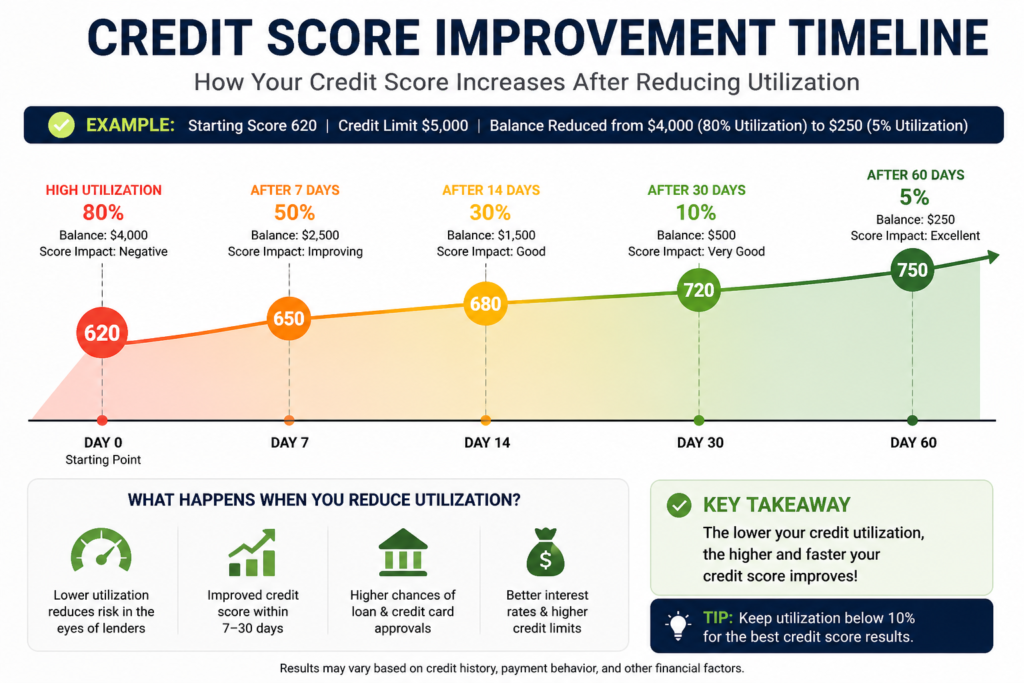
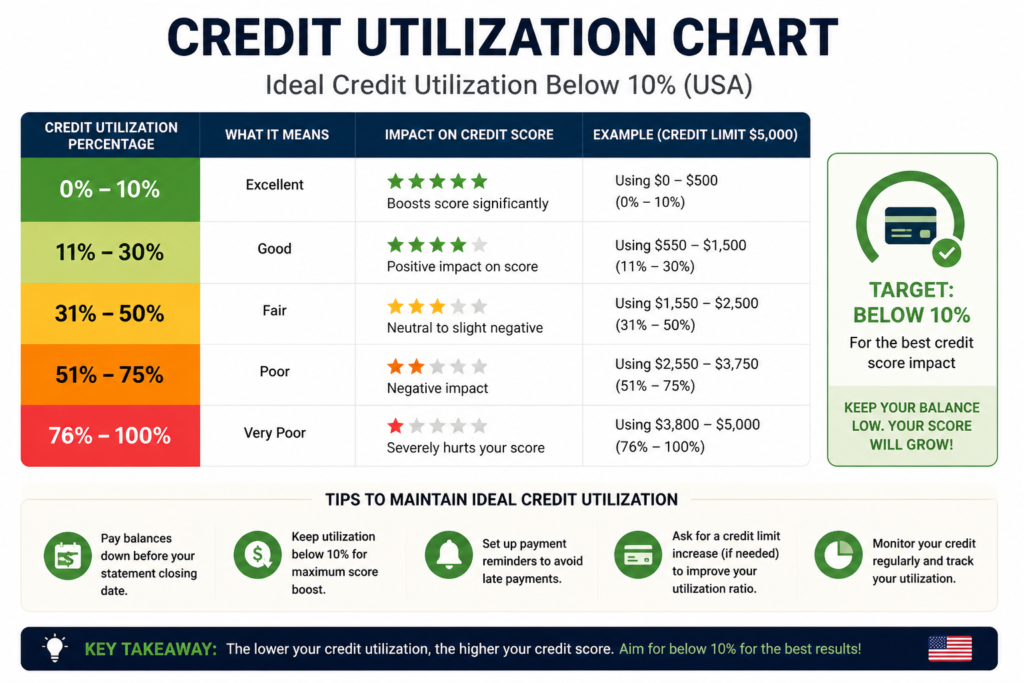
2. Your Credit Utilization Is Killing You
Even if your score is “okay,” this one metric can destroy approval chances.
Example:
- Credit limit: $5,000
- Used: $4,200
- Utilization: 84%
Banks see this as high risk, not “active usage.”
3. Too Many Applications in a Short Time
Each application = hard inquiry.
If you applied for:
- 3–5 cards in 10 days
You look desperate for credit.
That’s a red flag.
4. Thin Credit File (Hidden Problem)
Even a 700 score can fail if:
- You have only 1–2 accounts
- Your history is too short
Banks prefer depth, not just score.
5. Income vs Credit Behavior Mismatch
If you declare:
- $30,000 income
But: - High spending patterns
Approval engines flag inconsistency.
6. Your Recent Credit Activity Looks Risky
Even if your score is fine, banks track behavior trends.
Red flags:
- New loan + new card + new inquiry in last 30 days
- Sudden spike in spending
- Recently maxed-out cards
This signals:
“You might be financially unstable.”
7. You Don’t Match the Bank’s Internal Profile
Every bank has a target customer profile.
Example:
- Some prefer high-income users
- Some prefer long credit history
- Some prefer low-risk beginners
So even if you qualify “on paper,”
you may not match their internal model.
8. You’re Applying at the Wrong Time of the Month
This is something almost no one talks about.
If you apply:
- Before your credit card bill updates
Your report may show:
- High balances
- High utilization
Even if you’ve already paid.
Smart move:
Apply 3–5 days after statement update
9. Your Credit Mix Is Weak
Banks like diversity.
Bad profile:
- Only credit cards
Better profile:
- Credit card + loan (auto/student/personal)
This shows:
You can handle different types of credit.
10. You Have “Invisible Red Flags”
These don’t show clearly but matter:
- Old missed payments (even 1)
- Settled accounts (not fully paid)
- Authorized user removal recently
These reduce trust instantly.
Also read: Best Credit Cards for Bad Credit USA (300–580) That Actually Approve You in 2026
Step-by-Step Solution (Real-World Fix)
Let’s fix this practically—not theory.
Step 1: Check Your Real Approval Position
Don’t guess.
Use tools like:
- Pre-qualification check (soft pull)
- Credit score breakdown
Goal:
Understand where you actually stand.
Step 2: Fix Credit Utilization (FASTEST WIN)
This alone can change outcomes in days.
Target:
- Below 30% (minimum)
- Below 10% (ideal)
How:
- Pay down balances
- Split payments before billing cycle closes
Step 3: Stop Applying Blindly
This is where most people mess up.
Instead:
- Wait at least 7–14 days
- Apply only for cards matching your profile
Step 4: Start With Easier Approval Cards
If you’re getting rejected, don’t fight the system.
Go step-by-step:
- Secured card → build trust → upgrade
Step 5: Use Pre-Approval First
This is underrated.
Pre-approval:
- Doesn’t affect score
- Shows real chances
This alone can increase success rate massively.
Step 6: Use the “Soft Targeting Strategy”
Instead of applying randomly:
- Identify cards matching your score range
- Apply only where:
“You already fit 80% criteria”
This increases approval probability massively.
Step 7: Optimize Before Applying (48-Hour Trick)
Before applying:
- Pay down balances
- Don’t use cards for 2–3 days
- Let system refresh
This small window can improve approval odds.
Step 8: Add an Authorized User (Fast Boost)
If someone you trust has:
- Long credit history
- Low utilization
Get added as an authorized user.
Result:
- Your score improves
- Your profile strengthens
Step 9: Choose the Right Bank (Very Important)
Not all banks behave the same.
- Some are strict (low approval tolerance)
- Some are flexible (good for rebuilding)
Choosing the right issuer = higher success rate
Step 10: Use “Pre-Approval → Application” Funnel
Correct flow:
- Pre-check eligibility
- Shortlist 1–2 cards
- Apply only once
Not:
Apply → Reject → Apply again
Insider Insights (How Banks Actually Think)
Here’s what most articles won’t tell you.
Banks don’t care about your story.
They care about risk probability models.
They analyze:
- How likely you are to default
- How profitable you are
Instant approval systems are automated.
That means:
- No human judgment
- No second chance
If you fail criteria → instant rejection
Real-Life Case Study (USA)
Profile:
- Name: Jake (California)
- Credit Score: 642
- Income: $48,000
- Utilization: 78%
What happened:
- Applied for 3 instant approval cards
- Got rejected instantly
Fix applied:
- Paid down balance to 18%
- Waited 10 days
- Applied for mid-tier card
Result:
Approved instantly with $2,000 limit
Key lesson:
Utilization mattered more than score.
Also read: How to Get a Loan with 500 Credit Score (Guaranteed Best Options 2026) – USA
Comparison Table (Best Approach Strategy)
| Strategy | Approval Chance | Speed | Best For |
|---|---|---|---|
| Premium cards | Low | Instant rejection risk | 700+ score |
| Mid-tier cards | Medium | Fast | 630–700 |
| Secured cards | High | Very fast | Below 630 |
| Pre-approval tools | Very High | Instant | All users |
| Blind applications | Very Low | Risky | Avoid |
Mistakes People Make
- Applying repeatedly after rejection
- Ignoring credit utilization
- Going for “best rewards” instead of approval chances
- Not checking pre-qualification
- Closing old accounts (hurts history)
Comparison Table (Real Strategy)
| Approach | Approval Probability | Risk Level | Best Use Case |
|---|---|---|---|
| Blind applications | Very Low | High | Never recommended |
| Pre-approved offers | High | Low | Safe strategy |
| Secured cards | Very High | Very Low | Rebuilding credit |
| Store credit cards | Medium-High | Medium | Beginners |
| Credit union cards | High | Low | Underrated option |
Psychological Mistakes (This Is Why People Fail)
This part is important for engagement + ranking.
People think:
“I just need a better card.”
Reality:
You need a better profile match.
Mistake 1: Chasing Rewards Instead of Approval
You go for:
- Cashback
- Travel rewards
But banks go for:
- Risk control
Mismatch = rejection
Mistake 2: Taking Rejection Personally
It’s not emotional.
It’s algorithmic.
Fix inputs → change outputs
Mistake 3: Applying Immediately Again
This worsens:
- Inquiry count
- Risk score
And lowers future chances.
MaintainMarket Deep Insight (Lender Psychology)
Banks divide users into 3 buckets:
- Low Risk → Instant Approval
- Medium Risk → Manual Review
- High Risk → Instant Rejection
Your goal is simple:
Move from bucket 3 → bucket 1
How?
- Lower utilization
- Reduce inquiries
- Match correct card tier
Expanded Action Plan (Exact Execution)
If you follow this exactly, your chances improve fast:
Day 1:
- Check credit score
- Identify utilization %
Day 2:
- Pay down balances below 30%
Day 3–5:
- No new spending
- Let system update
Day 6:
- Use pre-approval tools
Day 7:
- Apply for 1 card only
Bonus: Cards That Usually Approve Faster (Strategic Insight)
Instead of listing randomly, understand pattern:
High approval chances:
- Starter cards
- Secured cards
- Store cards
- Credit union cards
Lower chances:
- Premium cashback cards
- Travel rewards cards
MaintainMarket Expert Advice
If your goal is instant approval, don’t chase “best cards.”
Chase:
- Highest approval probability
Sequence matters more than speed.
Think like this:
- Get approved (any decent card)
- Build usage pattern
- Upgrade later
Why MaintainMarket is Different
Most websites:
- List cards
- Push affiliate links
- Ignore your actual situation
Here:
- We focus on approval psychology
- Real-world strategies (not theory)
- Actionable steps that actually work
Action Plan (Do This Today)
- Check your credit utilization
- Pay down balances below 30%
- Wait at least 7 days
- Use pre-approval tools
- Apply for the right-tier card
Follow this, and your approval chances increase immediately.
Conclusion
Getting rejected for an instant approval credit card doesn’t mean you’re “bad with credit.”
It means:
You applied without understanding the system.
Once you align with how lenders think, approvals become predictable.
Not lucky.
FAQs
Q1. What credit score is needed for instant approval credit cards in the USA?
Usually 630+ for decent chances, 700+ for premium caThere is no specific credit score that guarantees instant approval because each card issuer uses its own approval criteria.
Generally, higher credit scores can improve your chances, while premium cards typically require stronger credit profiles.
Q2. Can I get instant approval with bad credit?
Yes, but mostly through secured or starter cardsYes, some credit cards are available to people with bad credit, including certain secured and starter cards.
However, instant decisions don’t guarantee approval, and the issuer may consider your income, credit history and other factors.
Q3. Does instant approval mean guaranteed approval?
No. Instant approval generally means the issuer can provide a quick application decision, not that every applicant will be accepted.
The issuer may still need to review your information or decline the application based on its eligibility requirements.
Q4. How long should I wait after rejection?
There is no universal waiting period after a credit card application is denied.
Instead of immediately applying again, review the reason for the rejection and address problems such as high utilization or limited credit history before submitting another application.
Q5. Do pre-approval checks affect credit score?
Many credit card pre-approval or prequalification checks use a soft inquiry, which generally does not affect your credit score.
However, if you proceed with a full application, the issuer may perform a hard inquiry that can have a temporary impact on your score.
Q6. Why was I rejected despite a good score?
A good credit score does not guarantee approval because card issuers consider other factors as well.
High credit utilization, recent applications, income, existing debt, payment history or a limited credit profile could affect the decision.
Q7. Are secured cards a good option?
Secured cards can be a useful option for people with limited or poor credit because approval requirements may be more accessible than some traditional cards.
However, approval is never guaranteed, and you typically need to provide a refundable security deposit.
Q8. Can I reapply for the same card?
You can generally apply again, but submitting another application immediately may not be the best approach.
First identify why your application was rejected and improve the relevant part of your credit profile before reapplying.
Q9. Does income affect instant approval?
Yes. Credit card issuers may consider your income and ability to make payments when evaluating an application.
A stable income can strengthen an application, but income alone does not guarantee approval because issuers consider multiple factors.
Q10. Can I get approved with no credit history?
Yes, people with no established credit history may have options such as secured cards, student cards or other starter credit products.
These cards can provide an opportunity to establish a positive credit history when used responsibly.
Q11. How many inquiries are too many?
There isn’t a specific number of inquiries that automatically causes a credit card application to be rejected.
However, multiple recent hard inquiries can affect your credit profile and may make lenders view you as a higher-risk applicant.
Q12. Does paying full balance improve approval?
Paying your balance in full can help you avoid interest and maintain responsible credit habits.
If doing so also lowers your reported credit utilization, it may strengthen your overall credit profile, although it does not guarantee approval.
Q13. Are store credit cards easier to get?
Some store credit cards may have more accessible eligibility requirements than certain premium general-purpose cards.
However, approval still depends on the individual issuer, and having a store card available does not mean everyone will qualify.
Q14. What is the fastest way to improve approval chances?
Start by lowering high credit card balances and making every payment on time.
It can also help to avoid unnecessary applications and check your credit reports for errors before applying for another card.
Q15. Can I get approved the same day after fixing my profile?
Possibly, but only if the changes have been reported and the card issuer’s current evaluation supports approval.
Credit reports are not necessarily updated immediately after you pay down a balance or correct an account, so timing can vary.
Q16. What credit card is easiest to get approved for with bad credit?
Secured credit cards and some cards specifically designed for people rebuilding credit may be easier to qualify for than premium unsecured cards.
Eligibility still varies by issuer, so review the requirements before submitting an application.
Q17. Can I get a credit card with a 600 credit score?
A 600 credit score may give you more options than a very low score, but approval still depends on the issuer and your complete credit profile.
You may find secured, starter and some unsecured cards that consider applicants in this range.
Q18. Can I get a credit card with a 700 credit score?
Yes, a 700 credit score can provide access to a wider range of credit cards, although approval isn’t guaranteed.
Issuers may also consider income, debt, credit history, recent applications and other information when reviewing your application.
Q19. What credit card should I apply for with a low credit score?
Look for cards specifically designed for people with poor, limited or rebuilding credit rather than applying randomly for premium cards.
Compare annual fees, security deposits, interest rates and whether the issuer reports payments to the major credit bureaus.
Q20. Should I check pre-approval before applying for a credit card?
Checking for pre-approval can be useful because it may help you identify cards for which you have a reasonable chance of qualifying.
When the issuer uses a soft inquiry for the prequalification process, checking typically does not affect your credit score.
People searched for: Credit Score Not Improving? Fix It Fast (2026 Guide)
2 thoughts on “Instant Approval Credit Cards USA: Why You Get Denied & How to Fix Fast”