
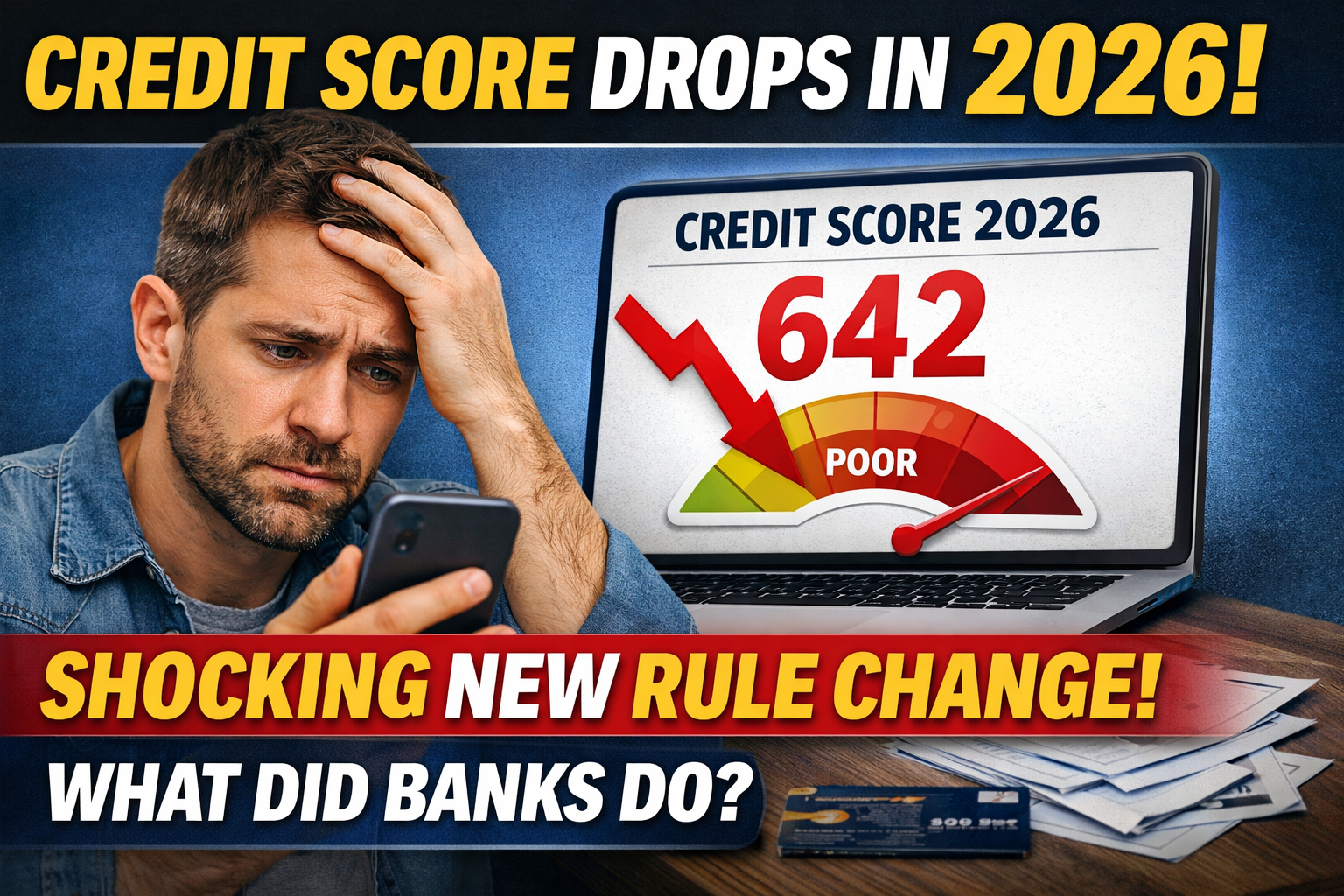
Thousands of Americans saw sudden credit score drops in 2026 due to new reporting changes. Learn why it’s happening and how to fix it fast.
Introduction
Loan rejection. Credit card declines. Suddenly higher interest rates.
Many Americans in 2026 are facing unexpected financial roadblocks.
You check your FICO score, and it’s dropped — even though you paid your bills.
This isn’t random. Something has changed behind the scenes.
Quick Update Box
What changed:
Credit utilization reporting timing + stricter risk models by lenders
Who is affected:
People with credit cards, high balances, or recent loan activity
What to do immediately:
Pay down balances before statement date
Check credit reports for utilization spikes
Avoid new credit applications temporarily
1. What’s Happening Right Now
In early 2026, thousands of Americans reported sudden drops in their credit scores — often between 20 to 80 points.
This isn’t due to missed payments. Instead, it’s linked to:
- Faster credit reporting cycles
- Real-time utilization tracking
- Tighter lending risk models
- Increased sensitivity to short-term debt spikes
Banks and credit bureaus are now updating data more frequently, which means your financial behavior is being evaluated almost instantly.
Earlier, you had some buffer time. Now, even a temporary high balance can hurt your score.
2. Why This Is Happening
1. Real-Time Risk Assessment
Lenders are using AI-driven models to assess risk dynamically. Instead of looking at long-term patterns only, they now react to short-term behavior.
If your credit card balance spikes for even a few days, it can trigger a drop.
2. Credit Utilization Is Now More Sensitive
Previously:
- Only statement balance mattered
Now:
- Even mid-cycle balances can impact your score
If you use 70–80% of your limit—even temporarily—it signals risk.
3. Post-Inflation Debt Pressure
After years of inflation, Americans are relying more on credit cards.
Banks are responding by tightening risk scoring.
More debt = more cautious lenders
4. Lender Psychology
Banks don’t care if you plan to pay.
They care about what your data shows right now.
High usage = higher default probability (in their model)
3. Who Is Affected Most
This change is not impacting everyone equally.
High-Risk Group:
- Credit card users with 50%+ utilization
- People with multiple credit cards
- Users who pay after statement date
- Recent loan applicants
- Thin credit history users
Surprisingly Affected:
- Responsible users who temporarily used high credit
- People who paid on time but late in cycle
- Users unaware of reporting timing
4. Real Impact on Users
This is where it gets serious.
1. Loan Rejections
A 30–50 point drop can:
- Reject personal loan applications
- Reduce mortgage eligibility
- Increase verification requirements
2. Higher Interest Rates
Even if approved:
- APR can increase by 3–8%
- Credit card offers become less attractive
3. Lower Credit Limits
Banks may:
- Reduce limits
- Freeze credit lines
- Flag accounts for monitoring
4. Financial Stress Loop
Lower score → higher rates → more debt → worse score
This cycle is trapping many users in 2026.
5. What You Should Do Now
Immediate Actions:
1. Pay Before Statement Date
Not due date — statement date matters now
2. Keep Utilization Below 30%
Ideal: below 10%
3. Split Payments
Pay twice a month to control reported balance
4. Avoid New Credit Applications
Each inquiry now has stronger impact
5. Monitor Credit Weekly
Use free tools to track changes
6. Comparison Table (Before vs After 2026 Changes)
| Factor | Before 2026 | After 2026 |
|---|---|---|
| Reporting Frequency | Monthly | Near real-time |
| Utilization Impact | Moderate | High |
| Balance Timing | Less important | Critical |
| Risk Models | Traditional | AI-driven |
| Score Volatility | Stable | Highly sensitive |
7. Real-Life Example (USA Case)
John, a 29-year-old from Texas:
- Credit Score: 742
- Used 80% of credit limit for a short period
- Paid full amount before due date
Result in 2026:
- Score dropped to 689
- Personal loan rejected
- Credit card APR increased
Why?
Because his high utilization was reported before payment.
8. Mistakes to Avoid
- Paying only on due date
- Ignoring statement closing date
- Maxing out cards temporarily
- Applying for multiple cards together
- Assuming “on-time payment” is enough
These habits worked before — not anymore.
9. Expert Insights (Hidden Truth)
Most financial advice online is outdated.
The real game in 2026:
It’s not about paying on time
It’s about what your balance looks like when reported
Banks are not tracking your intentions.
They are tracking your behavior snapshots.
And those snapshots are now more frequent.
10. Future Prediction
Expect even more changes:
- Daily credit score updates
- AI-based instant approvals/rejections
- Personalized interest rates
- More aggressive credit monitoring
Credit will become more dynamic — and less forgiving.
11. Hidden Triggers That Are Quietly Dropping Your Score in 2026
Most people think only “big mistakes” hurt credit. That’s outdated.
In 2026, even small actions are triggering score drops:
1. Statement Date Mismatch
You paid your bill… but after the statement closed.
Result: High balance still reported → score drops.
2. Multiple Small Transactions
Frequent swiping (even small amounts) increases:
- Utilization spikes
- Behavioral risk signals
3. Buy Now Pay Later (BNPL) Impact
Services like Klarna, Affirm are now:
- Being tracked more aggressively
- Sometimes reported to credit bureaus
This adds hidden debt pressure.
4. Credit Limit Decrease by Banks
Even if you didn’t overspend:
- Bank reduces your limit
- Your utilization % increases automatically
5. Dormant Accounts Becoming Active
Suddenly using an inactive card:
- Triggers risk flags
- Impacts score volatility
12. The “Credit Timing Strategy” Most People Don’t Know
This is where smart users win in 2026.
The Formula:
- Spend anytime
- Pay before statement date
- Keep reported balance low
Ideal Strategy:
- Use only 20–30% of limit
- Pay 70–80% before statement
- Leave small balance (1–5%)
This makes you look like:
- Active user
- Low-risk borrower
Banks LOVE this profile.
13. How Banks Are Actually Evaluating You in 2026
Forget old scoring logic.
Banks now track:
Behavior Patterns:
- How often you swipe
- When you pay
- How your balance fluctuates
Risk Signals:
- Sudden spending spikes
- Credit dependency trends
- Short-term borrowing behavior
AI-Based Judgment:
You’re not just a number anymore.
You’re a pattern of behavior.
And patterns are harder to “fake”.
14. Credit Score vs Approval Score (Big 2026 Shift)
Important truth:
Your FICO score ≠ your approval chances
Banks now use internal scoring models.
| Factor | Credit Score | Bank Approval Score |
|---|---|---|
| Payment History | Yes | Yes |
| Utilization | Yes | Yes (more weight) |
| Spending Behavior | No | Yes |
| Timing Patterns | No | Yes |
| Risk AI Model | No | Yes |
So even if:
- Your score = 720
You can still get rejected.
15. Advanced Credit Hacks (Used by Smart Users)
1. Credit Limit Increase Trick
Request a limit increase → lowers utilization instantly
2. Multiple Card Strategy
Instead of:
- 1 card with $5,000
Use:
- 3 cards with $5,000 each
More limit = lower utilization ratio
3. Authorized User Method
Get added to:
- A high-limit, low-utilization card
Boosts your profile quickly
4. Balance Cycling (Advanced)
- Spend → pay → spend again in same cycle
- Keeps utilization low
Use carefully.
16. Psychological Mistake People Are Making
Most users think:
“I paid everything. I’m safe.”
Reality in 2026:
Banks don’t reward discipline.
They reward predictable behavior.
If your credit usage looks:
- Unstable
- Spiky
- Irregular
You are seen as risky.
Even if you’re financially okay.
17. How This Affects Mortgages & Big Loans
This change is hitting hardest in:
1. Mortgage Applications
- Even small drops affect approval
- Interest rates increase significantly
2. Auto Loans
- Loan amount may reduce
- Down payment requirement increases
3. Personal Loans
- Instant rejections are rising
- More documentation required
18. Early Warning Signs Your Score Might Drop
Watch for these signals:
- Your utilization crosses 40%
- You start relying on credit for essentials
- You delay payments within billing cycle
- You apply for multiple credit lines
- Your credit limit gets reduced
If you see 2–3 of these → risk is high.
19. Smart Weekly Credit Routine (2026 Strategy)
Instead of monthly tracking, do this:
Every Week:
- Check credit utilization
- Make small payments
- Track spending pattern
Every Month:
- Confirm statement date
- Adjust usage timing
Every 3 Months:
- Check credit report
- Request limit increase
Consistency = stable score.
20. The Biggest Myth Destroyed in 2026
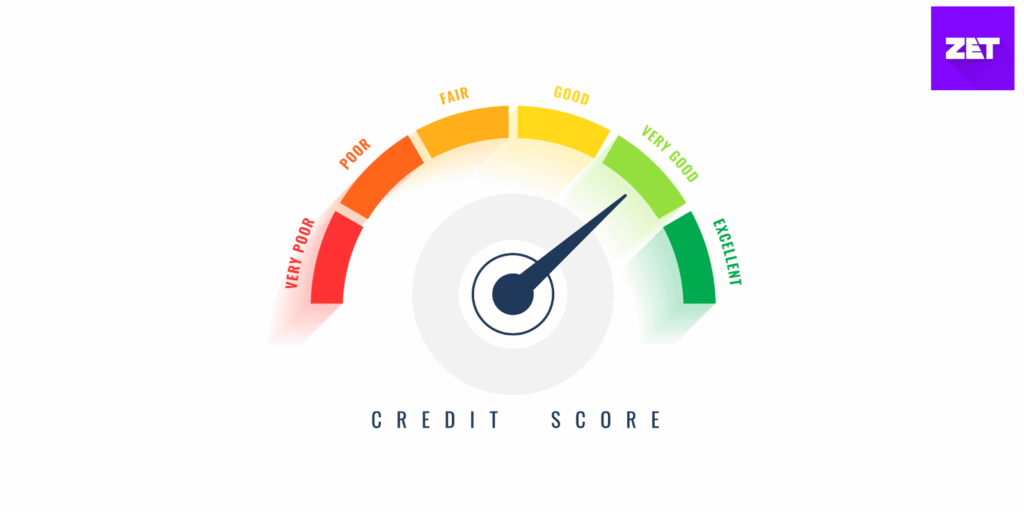
Myth:
“Pay on time = good credit score”
Reality:
“Control utilization timing = good credit score”
This single shift is why thousands are confused.
21. If Your Score Already Dropped – Recovery Plan
Don’t panic. Follow this:
Step 1:
Reduce utilization below 30% immediately
Step 2:
Wait for next reporting cycle
Step 3:
Avoid all new applications
Step 4:
Keep usage stable for 30–60 days
Step 5:
Track score recovery
Most users recover within:
- 30 to 45 days
22. MaintainMarket Tested Insight
Based on behavior trends:
- Users who paid before statement date saw 20–40 point recovery
- Users who reduced utilization below 20% saw faster approvals
- Users who applied during low utilization phase got better APR offers
Timing = everything in 2026.
23. Final Reality Check
This is not a temporary issue.
This is a permanent shift in how credit works in the US.
If you don’t adapt:
- Your score will stay unstable
- Loan approvals will become harder
- Interest rates will stay high
If you adapt:
- You gain advantage
- You get better offers
- You control your financial future
Where to Take Action (USA ONLY)
If your score has dropped, don’t wait.
Check and apply strategically:
- https://www.discover.com/credit-cards
- https://www.capitalone.com/credit-cards
- https://creditcards.chase.com
- https://www.bankofamerica.com/credit-cards
Choose cards with:
- Higher limits (to reduce utilization ratio)
- Balance transfer options
- Pre-approval tools
Apply only after improving your current utilization.
Why MaintainMarket is Different
Most websites give general advice.
MaintainMarket focuses on:
- Real behavior-based credit strategies
- Approval-focused insights
- Data-backed financial decisions
- Practical steps that actually improve your score
We don’t just explain finance.
We help you win the system.
Final Action Plan
Do This Today:
- Check your credit utilization
- Pay down balances below 30%
- Note your statement closing date
Do This This Week:
- Set payment reminders before statement date
- Avoid new credit applications
- Monitor your score
Avoid Completely:
- High utilization spikes
- Multiple loan applications
- Ignoring credit reports
Check Regularly:
- Credit report errors
- Utilization trends
- Score fluctuations
FAQs – Credit Score Drops
Q1. Why did my credit score drop even though I paid on time?
Because your balance was reported before payment, showing high utilization.
Q2. What is the most important factor in 2026 credit scoring?
Credit utilization timing, not just payment history.
Q3. How fast can I recover my credit score?
Usually within 30–45 days after reducing utilization.
Q4. Should I close unused credit cards?
No, it can reduce your total limit and increase utilization ratio.
Q5. Is applying for a new card a good idea?
Only after improving your score and lowering utilization.
Q6. How often should I check my credit score now?
At least weekly due to faster reporting changes.
1 thought on “1000s of Americans Saw Credit Score Drops in 2026 – Here’s the Real Reason”