How Credit Card Points and Miles Work: Earning, Redemption, and Value
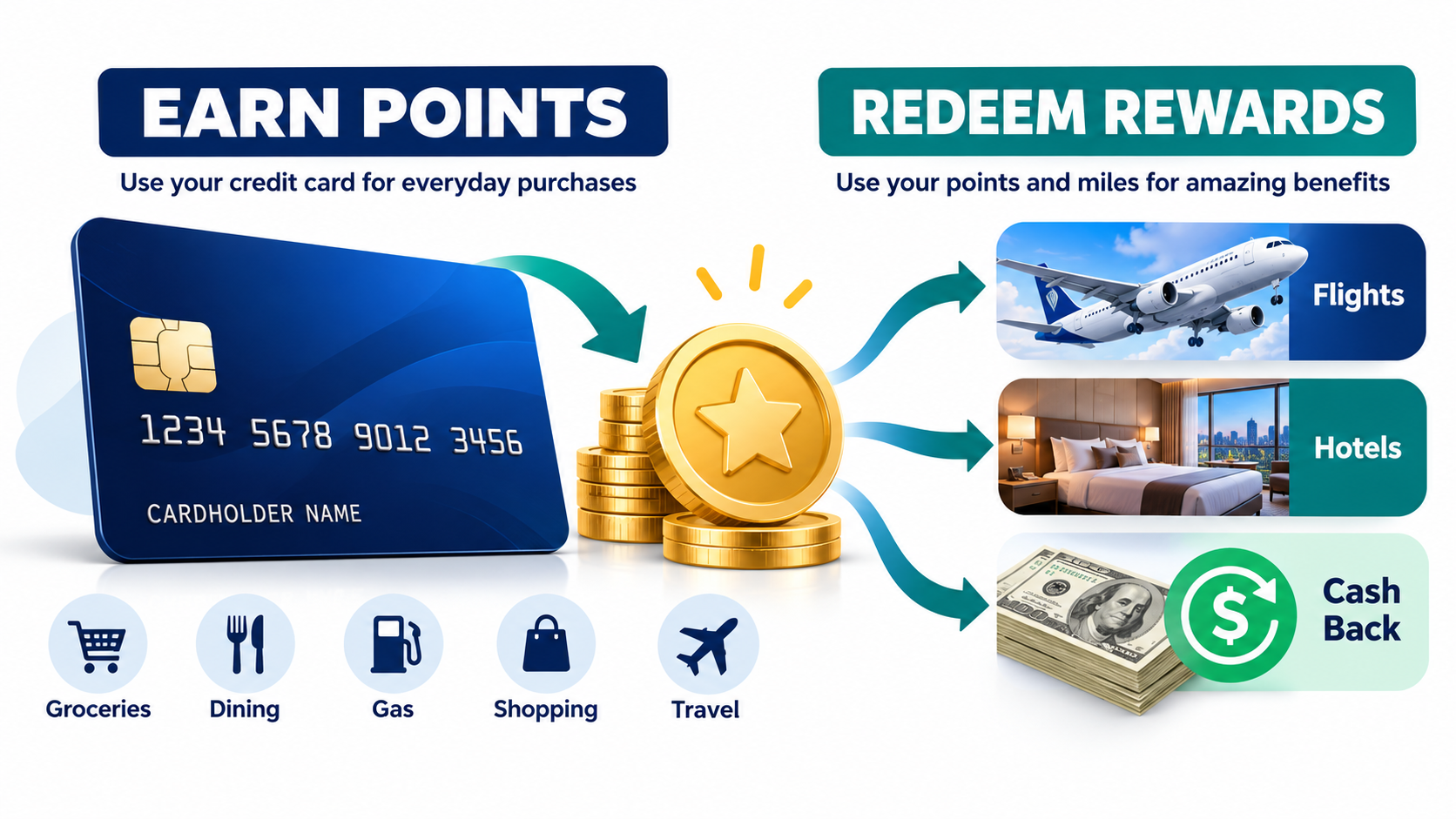
How credit card points and miles work, showing rewards earned from purchases and redemption options for flights, hotels, and cash back.

Understanding how credit card points and miles work can help you get more value from everyday purchases without spending extra money. Credit card rewards programs let eligible cardholders earn points or miles on qualifying purchases, welcome offers, and sometimes selected spending categories. Those rewards can often be redeemed for travel, cash back, statement credits, gift cards, or other benefits, depending on the program.
Credit Card vs Debit Card: Key Differences, Pros, Cons, and When to Use Each

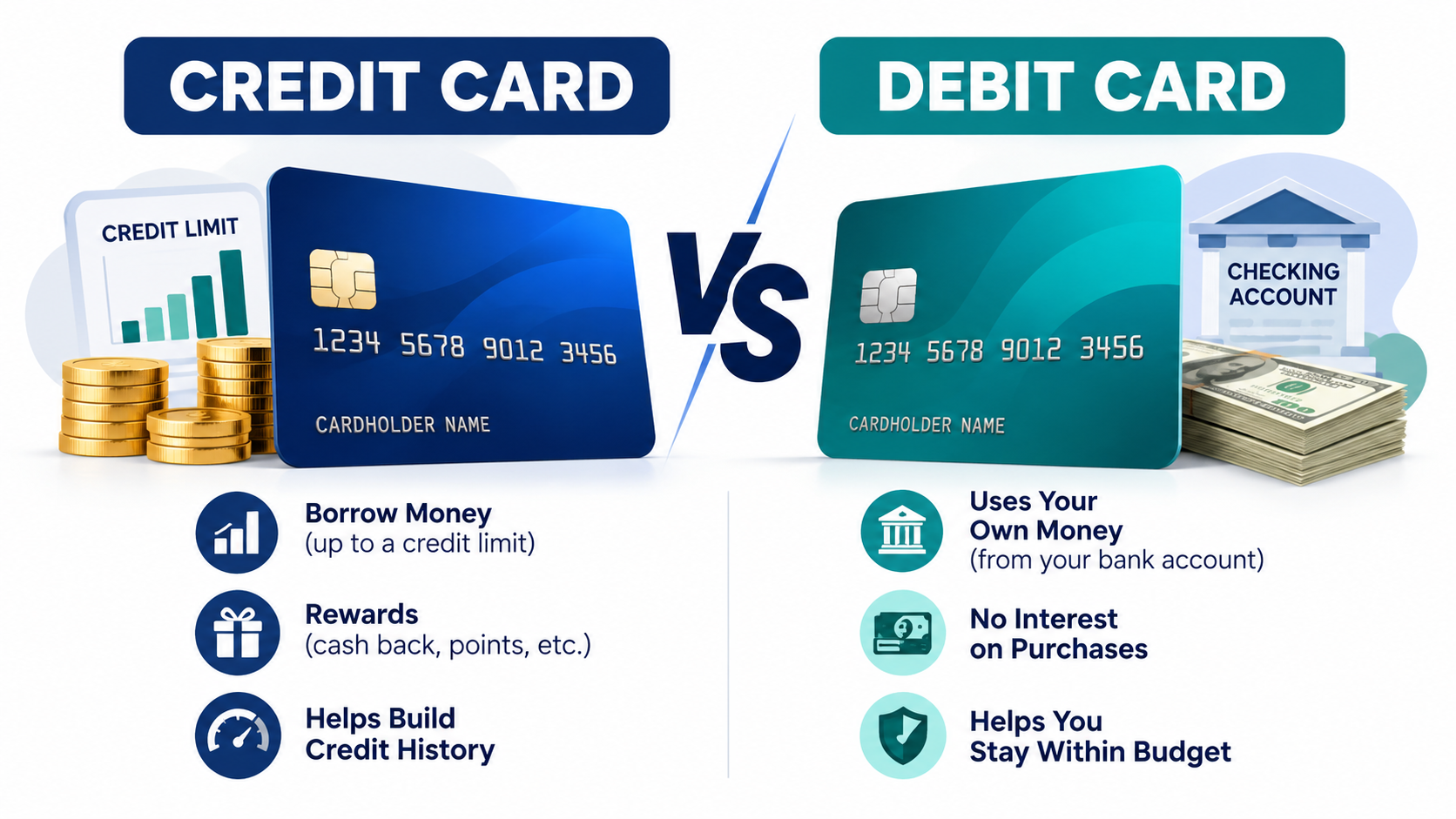
Credit card vs debit card comparison showing payment methods, spending, fraud protection, rewards, and credit-building differences.

A credit card vs debit card comparison can help you decide which payment method makes more sense for everyday purchases, online shopping, travel, and managing your money. Although both cards can look similar and work at many of the same stores, they handle your money differently. A debit card generally takes money from your checking account, while a credit card lets you borrow money up to an approved credit limit and repay it later.

9 Smart Ways to Improve Your Credit Utilization Ratio and Protect Your Credit Score

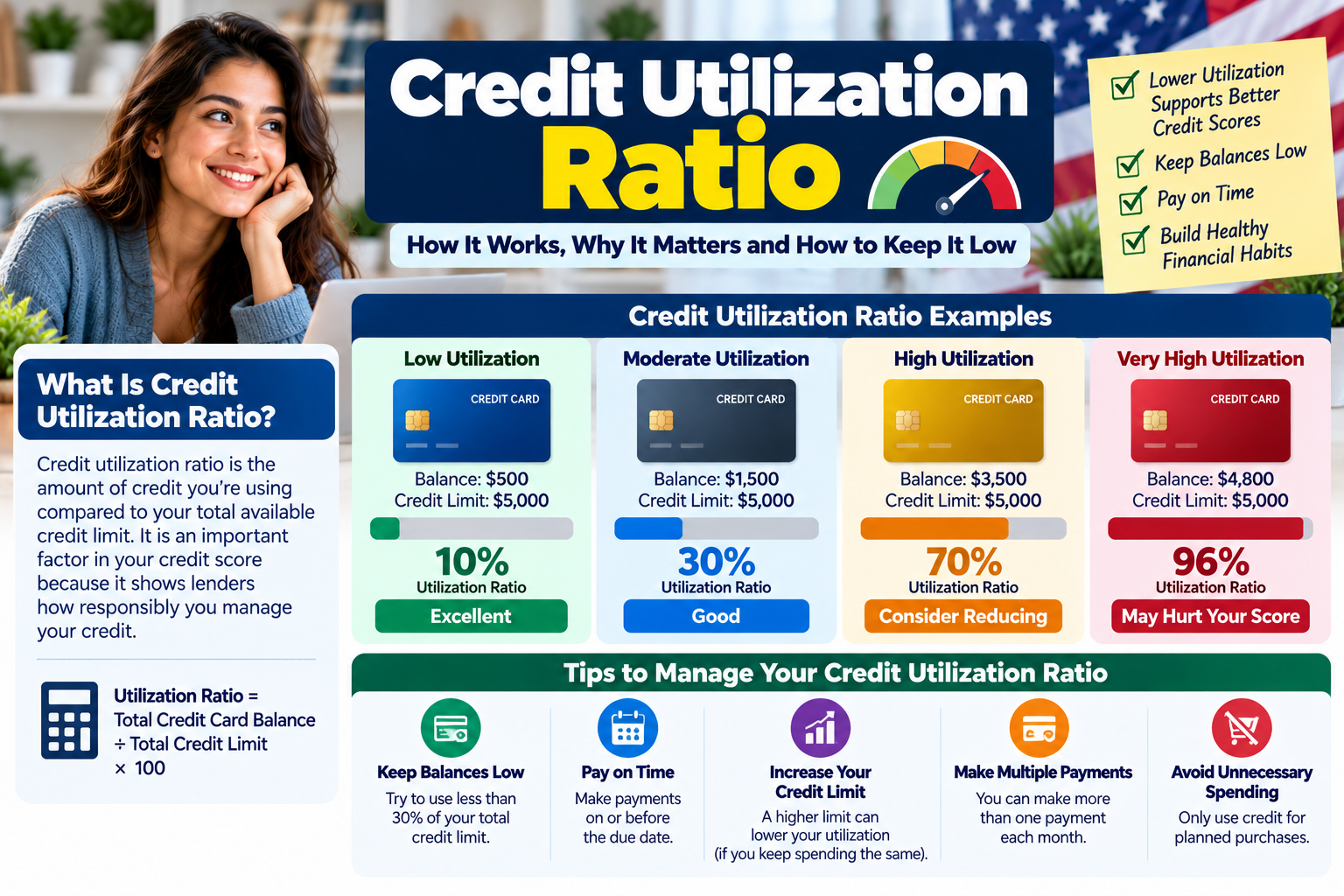
Credit Utilization Ratio showing credit card balances, available credit limits, utilization percentages, and practical tips for managing credit in the United States.

Your credit utilization ratio is an important factor that can influence your credit score in the United States. It measures how much of your available revolving credit you are using. If your credit cards are close to their limits, your score may be affected even when you make payments on time.

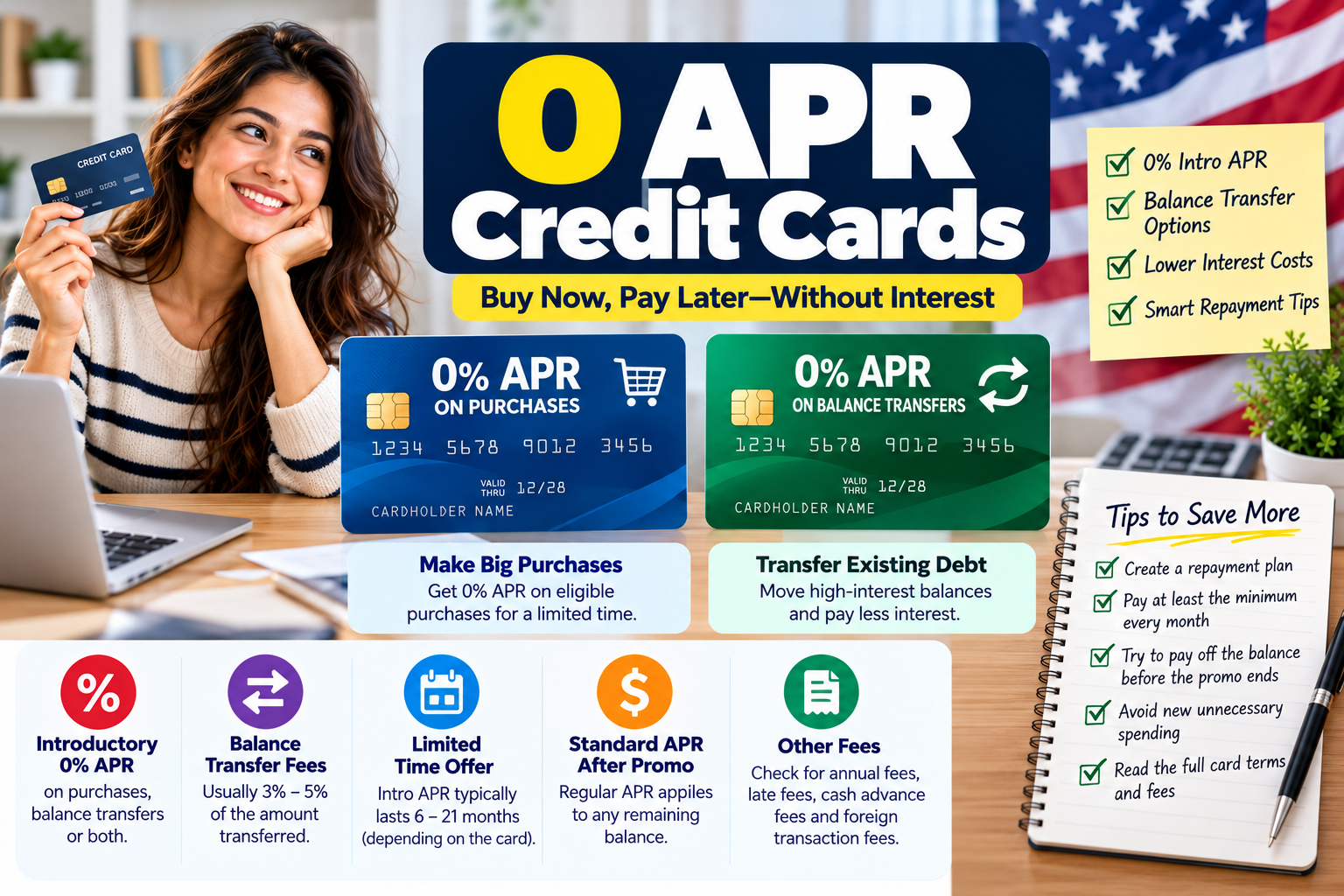
9 Smart Ways to Choose 0 APR Credit Cards and Save on Interest

0 apr credit cards

0 APR Credit Cards can help you finance eligible purchases or pay down existing credit card debt without paying interest during a promotional period. However, the offer is temporary, and the standard APR, balance transfer fees, and repayment rules can make a significant difference to your total cost.

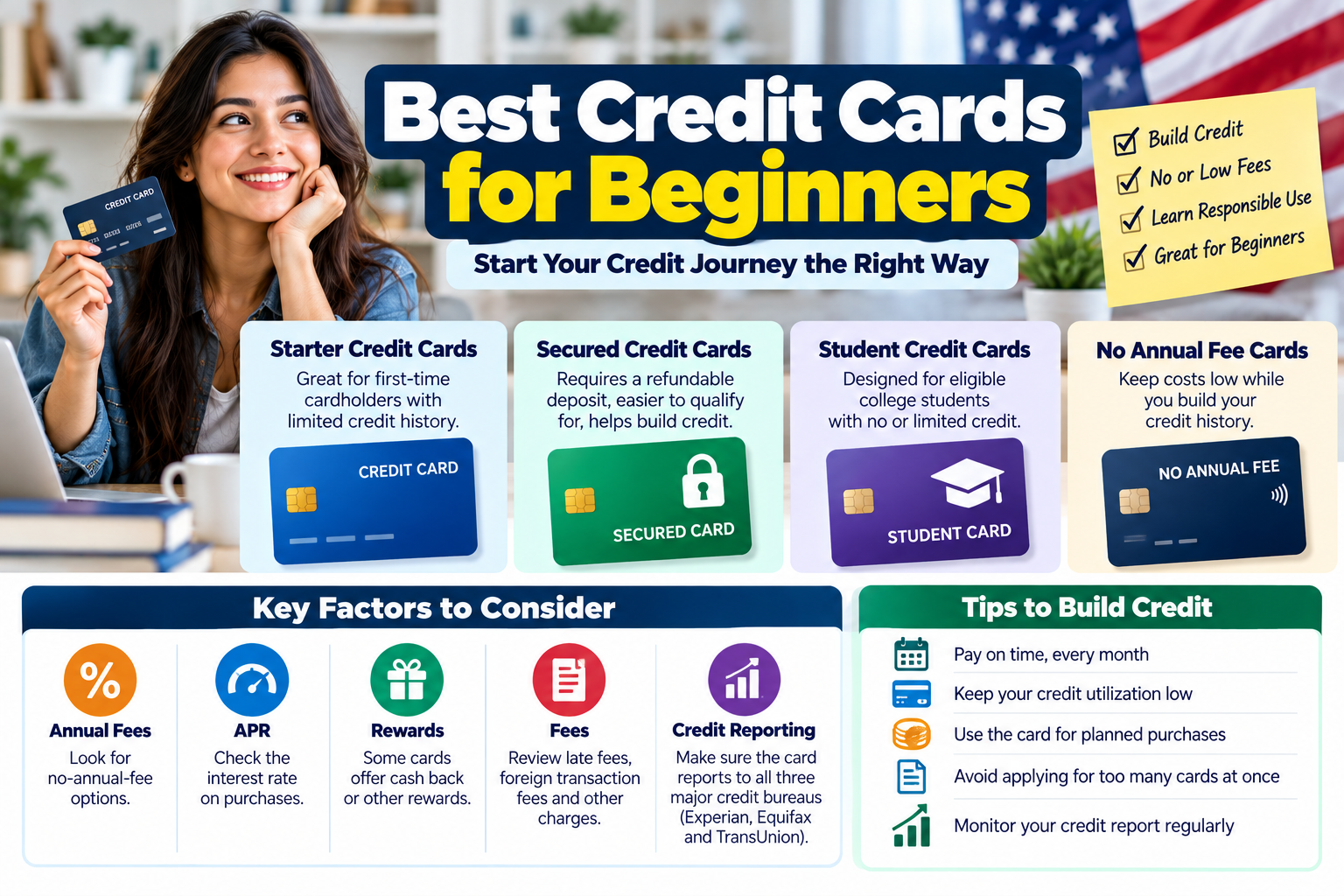
10 Best Credit Cards for Beginners: Find Your First Card and Build Credit

Best credit cards for beginners

The best credit cards for beginners make it easier to establish a credit history, manage everyday spending, and learn how credit works without paying unnecessary fees. If you are applying for your first credit card in the United States, you may have little or no credit history, which can limit the cards available to you.

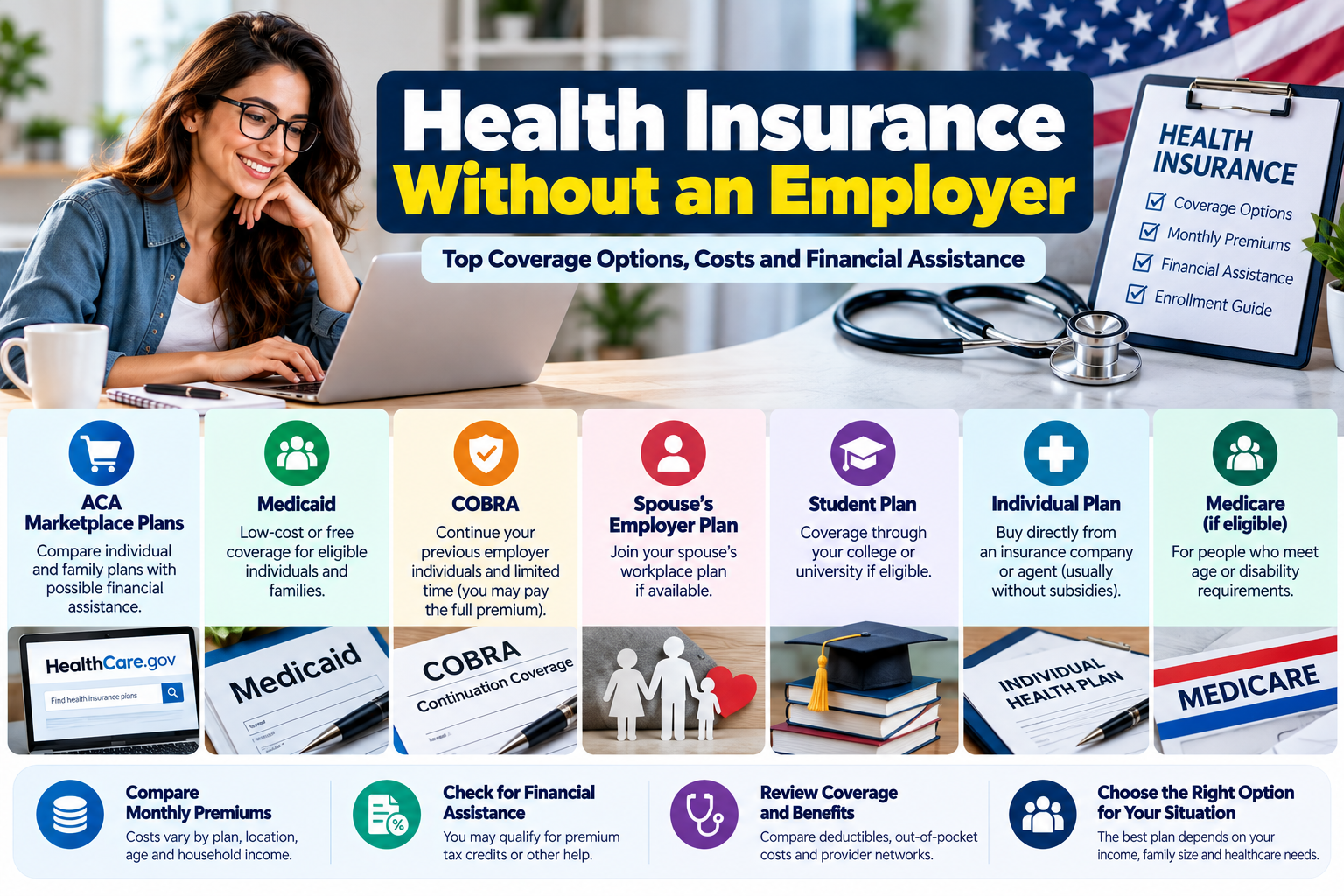
10 Best Ways to Get Health Insurance Without Employer

Health insurance without employer showing Marketplace plans, Medicaid, COBRA, individual coverage, and financial assistance options for people in the United States.

Health insurance without employer benefits can feel expensive and confusing, especially when you must pay the entire premium yourself. Whether you are unemployed, working part-time, self-employed, freelancing, or employed by a company that does not offer health benefits, you still have several ways to obtain coverage in the United States.

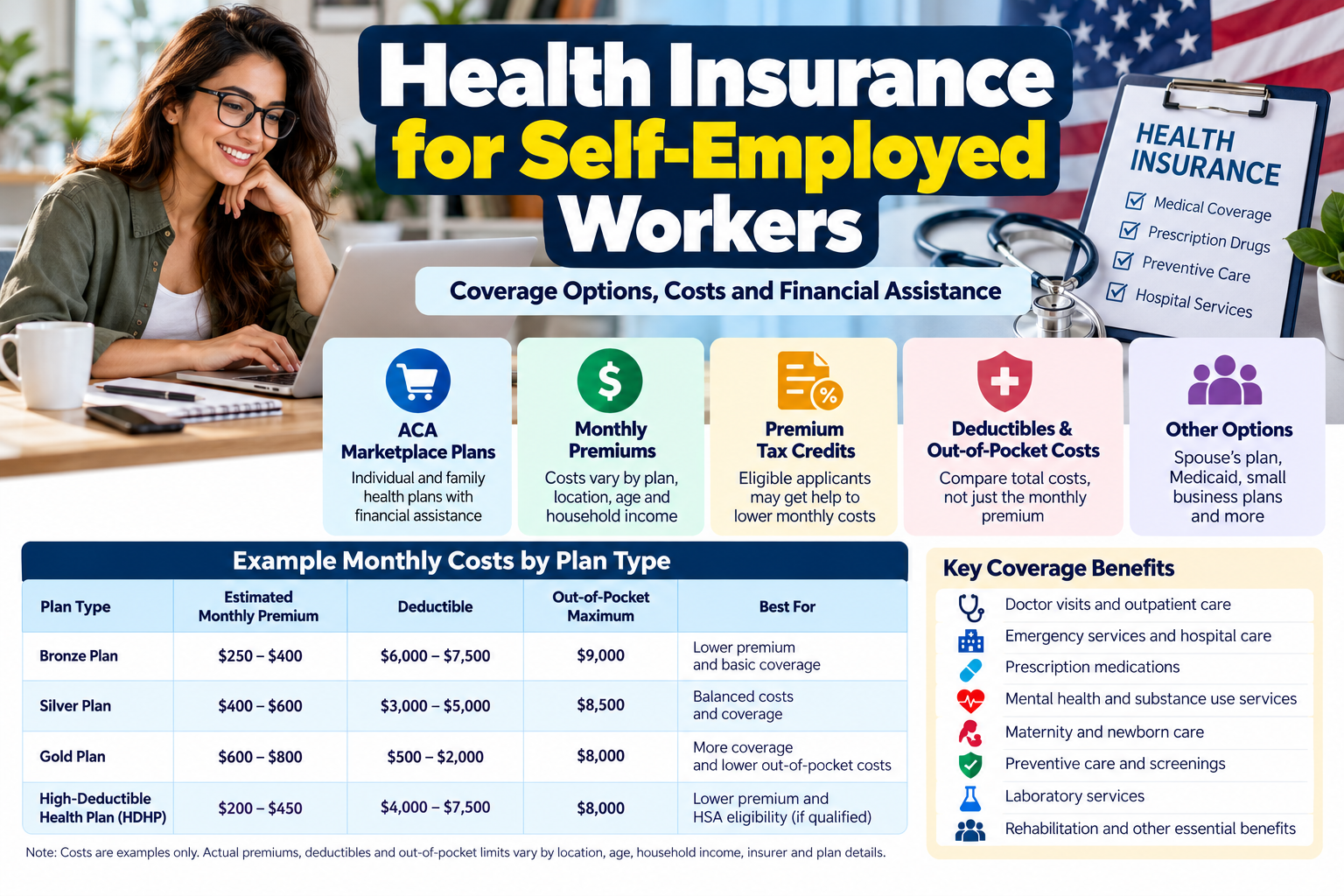
10 Smart Ways to Find Health Insurance for Self Employed Workers

Health insurance for self employed workers showing Marketplace plans, monthly premiums, deductibles, tax credits, and coverage options for freelancers in the United States

Health insurance for self employed workers can be challenging to arrange when you do not receive benefits from an employer. Freelancers, independent contractors, consultants, and small-business owners must compare premiums, deductibles, provider networks, and financial assistance themselves. Fortunately, several coverage options may be available depending on your income, household, location, and eligibility.

10 Realistic Term Life Insurance Cost Examples: What You May Pay

Term life insurance cost showing monthly premiums by age, coverage amount, term length, health and smoking status in the United States.

Term life insurance cost can range from relatively affordable monthly premiums for younger, healthy applicants to several hundred dollars per month for older applicants or people with higher-risk profiles. Age, coverage amount, term length, health, tobacco use and the insurer you choose can all affect the price.

10 Smart Ways to Calculate How Much House You Can Afford

how much house you can afford

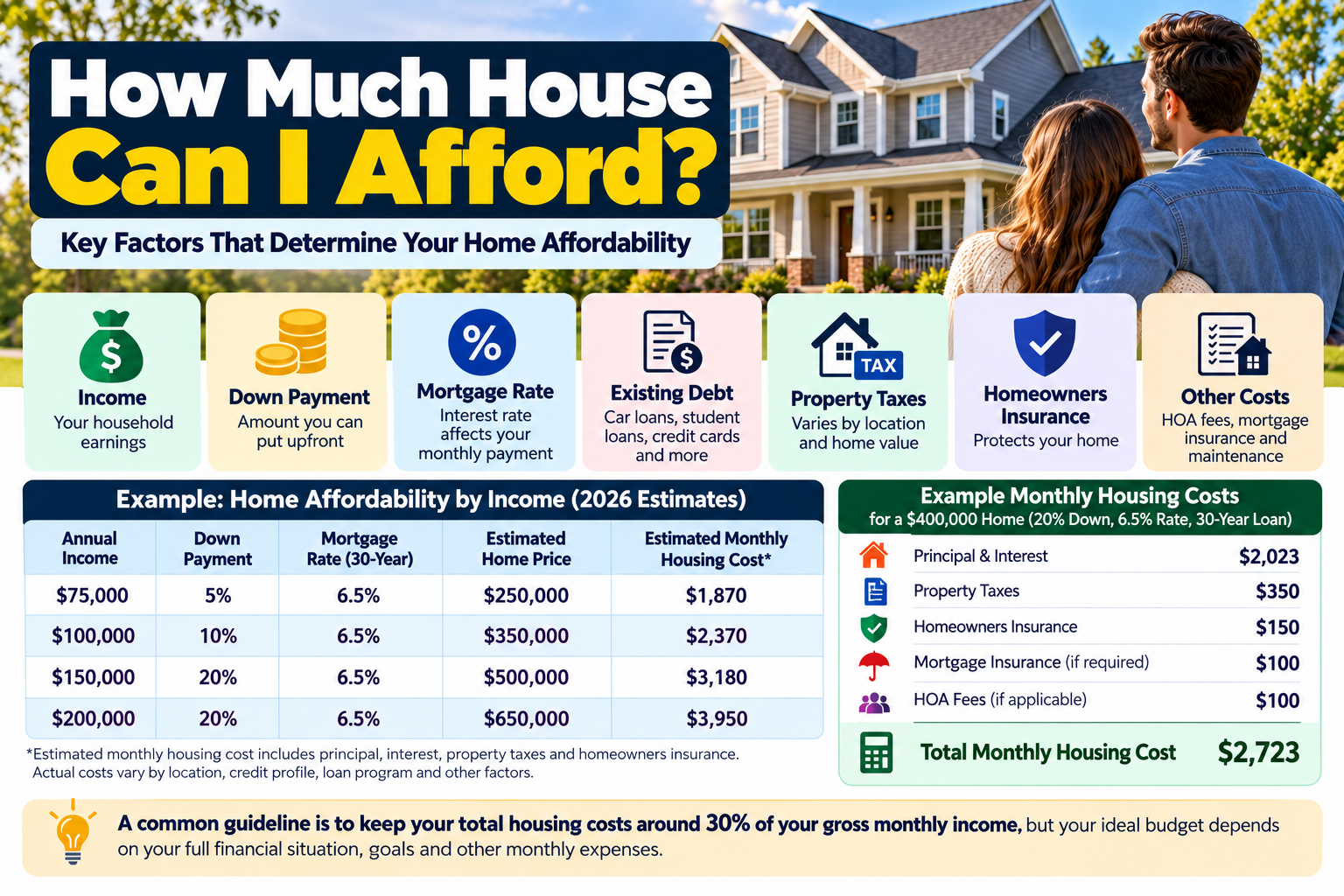
Wondering how much house you can afford? The answer depends on more than your salary. Your down payment, mortgage rate, existing debts, credit profile, property taxes, homeowners insurance, mortgage insurance, HOA fees and other household expenses all affect the home price that fits your budget.

10 Essential HELOC Requirements: What You Need to Qualify

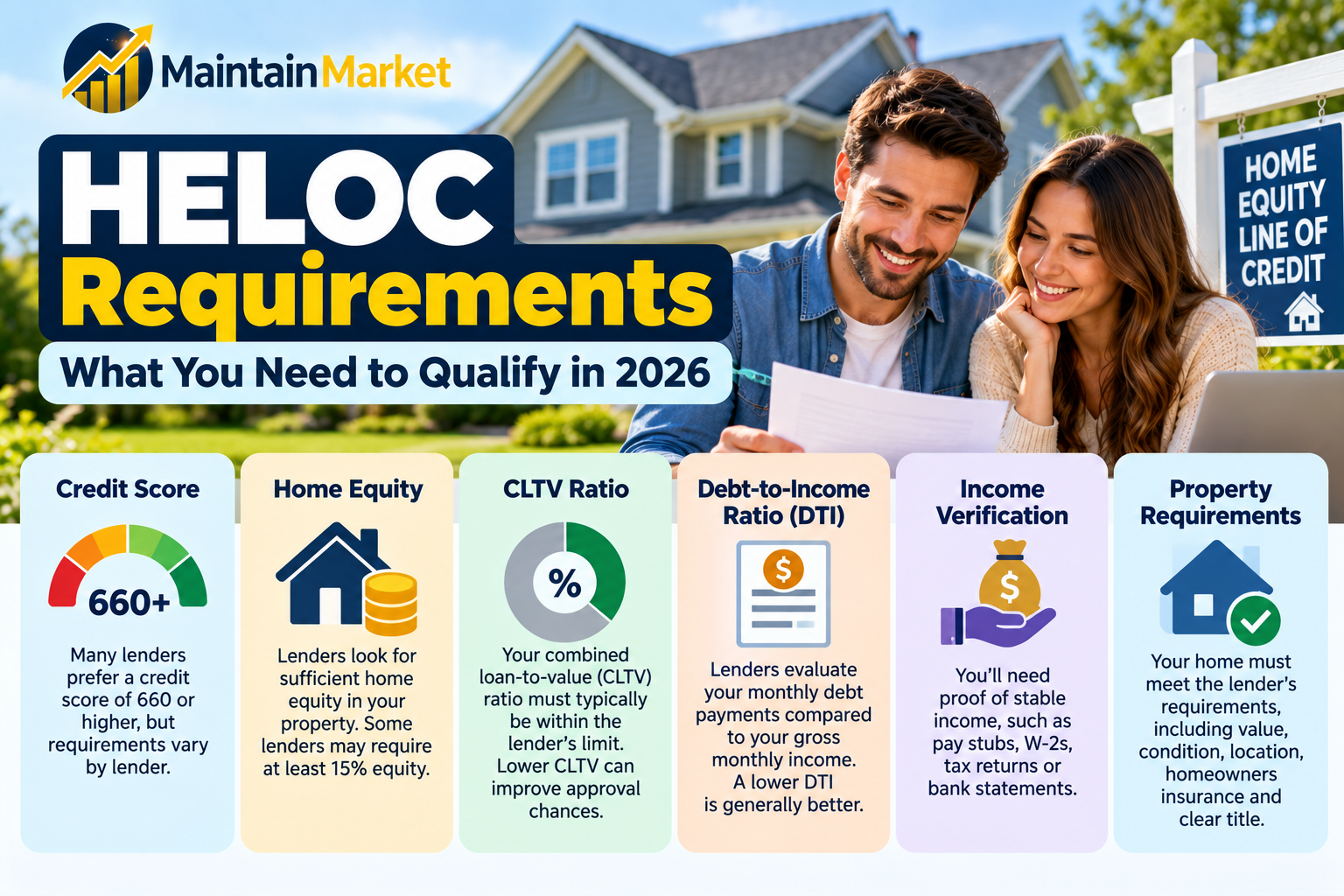
HELOC requirements showing credit score, home equity, CLTV, debt-to-income ratio, income and property requirements for a home equity line of credit in the United States.

HELOC requirements can vary from one lender to another, but most lenders look closely at your home equity, credit history, income, debt-to-income ratio, property, and ability to repay the line of credit. In 2026, some major lenders publicly list minimum credit scores around 660, but there is no single credit score or equity requirement that applies to every HELOC lender.