How Does a Home Equity Loan Work? Complete Beginner’s Guide – USA

Learn how a home equity loan works, how much you can borrow, interest rates, risks, approval requirements, and smart ways homeowners use home equity in 2026.

Learn how a home equity loan works, how much you can borrow, interest rates, risks, approval requirements, and smart ways homeowners use home equity in 2026.

VA home loans can make buying a home more affordable for eligible veterans, active-duty service members, and certain surviving spouses. However, before applying, you need to understand the VA home loan requirements, including military service eligibility, credit history, income, occupancy rules, and the Certificate of Eligibility (COE).
If you own a home and have built up equity, you may be able to borrow against that value to access cash for home improvements, debt consolidation, education expenses, or other financial needs. Two common options are a cash-out refinance and a home equity loan. Understanding cash out refinance vs home equity loan can help … Read more
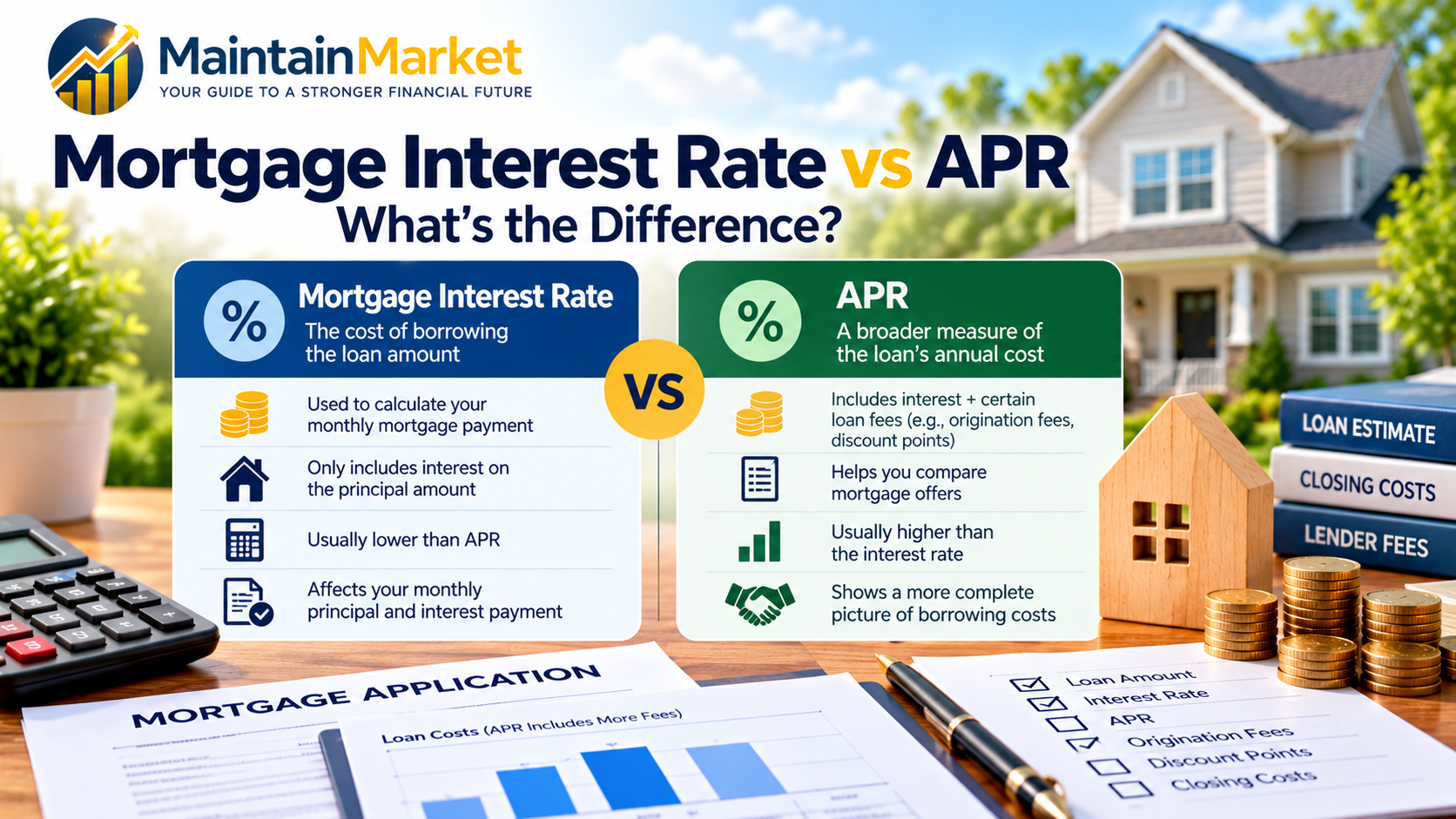
When comparing mortgage offers, you will usually see two percentages: the mortgage interest rate and the annual percentage rate (APR). Although they look similar, they measure different things. Understanding mortgage interest rate vs APR can help you compare lenders, understand borrowing costs, and avoid choosing a loan based on an attractive advertised rate alone.
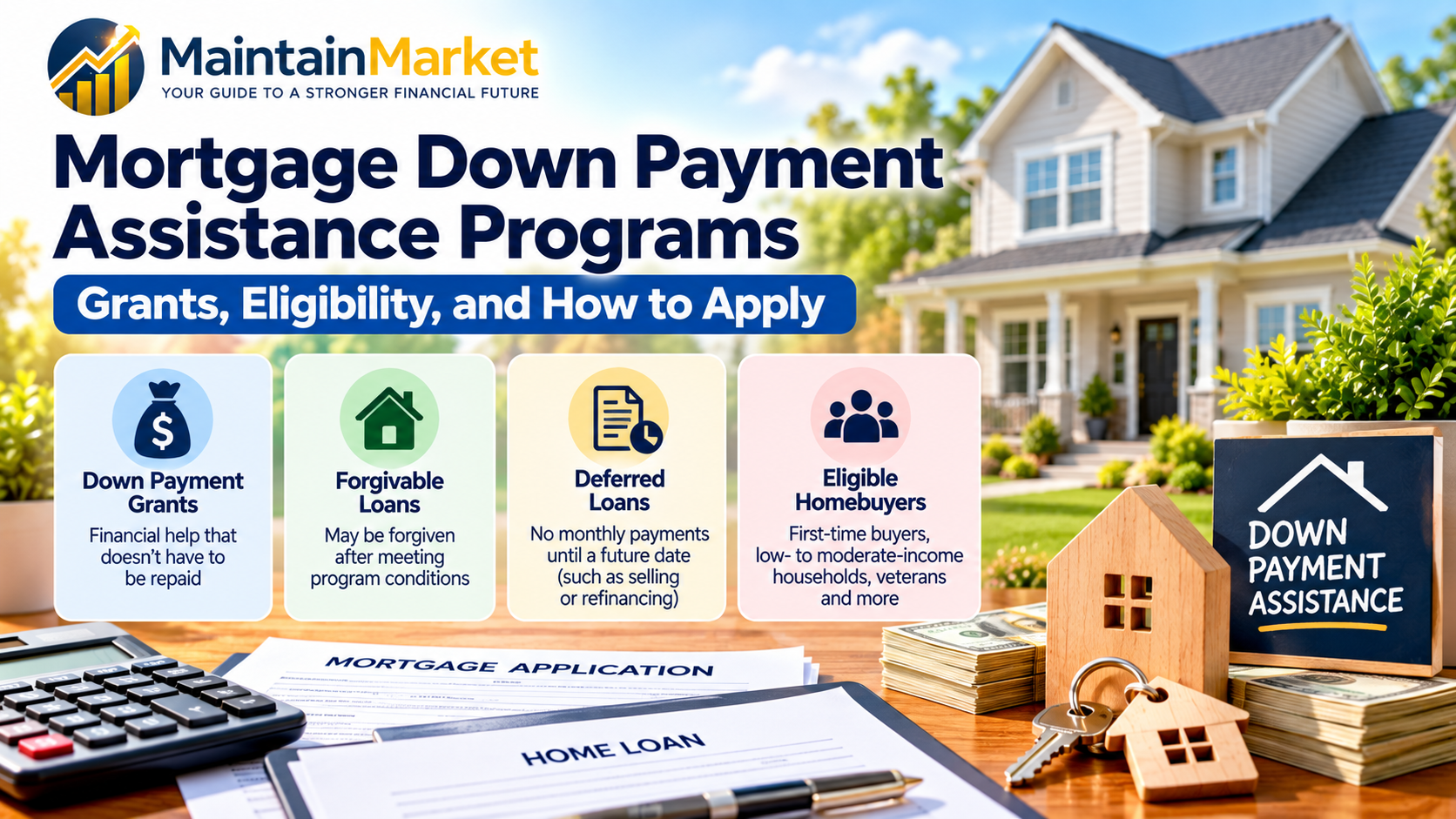
Buying a home in the United States can be challenging, especially when saving enough money for a down payment and closing costs. Mortgage down payment assistance programs can help eligible homebuyers overcome this financial barrier by providing grants, forgivable loans, deferred-payment loans, or other forms of financial support.

Mortgage closing costs are the fees and expenses you pay to finalize a home purchase and mortgage loan in the United States. These costs typically range from 2% to 5% of the home’s purchase price, according to Freddie Mac, although your actual expenses depend on the property, lender, location, and loan type.
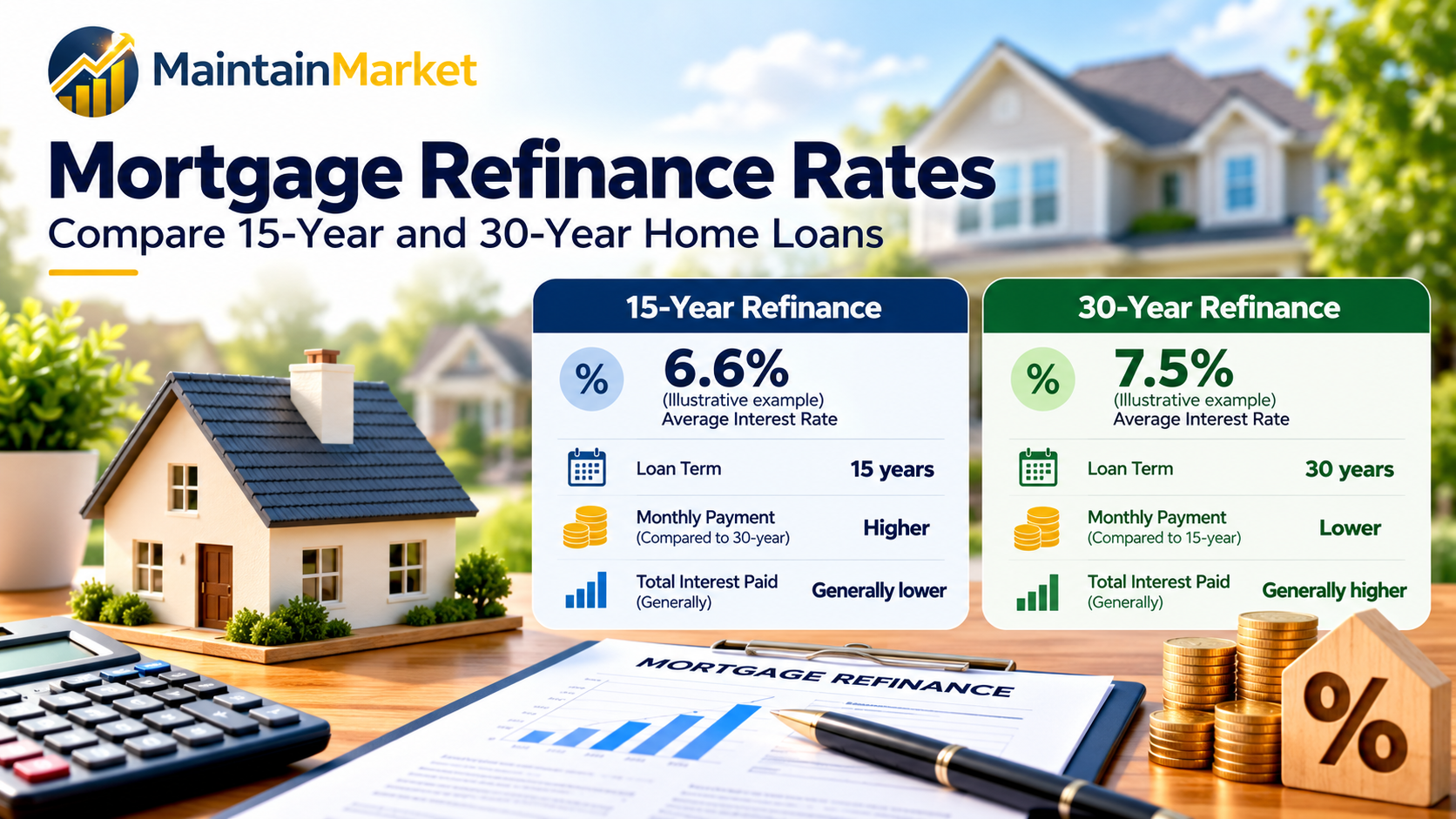
Mortgage refinance rates determine the interest rate you may pay when replacing your existing home loan with a new mortgage. Finding a lower rate could reduce your monthly payment, help you pay off your home sooner, or lower the total interest you pay over time. However, refinancing is not automatically a good financial decision. Closing costs, your remaining loan term, credit profile, and the amount of equity in your home all matter.
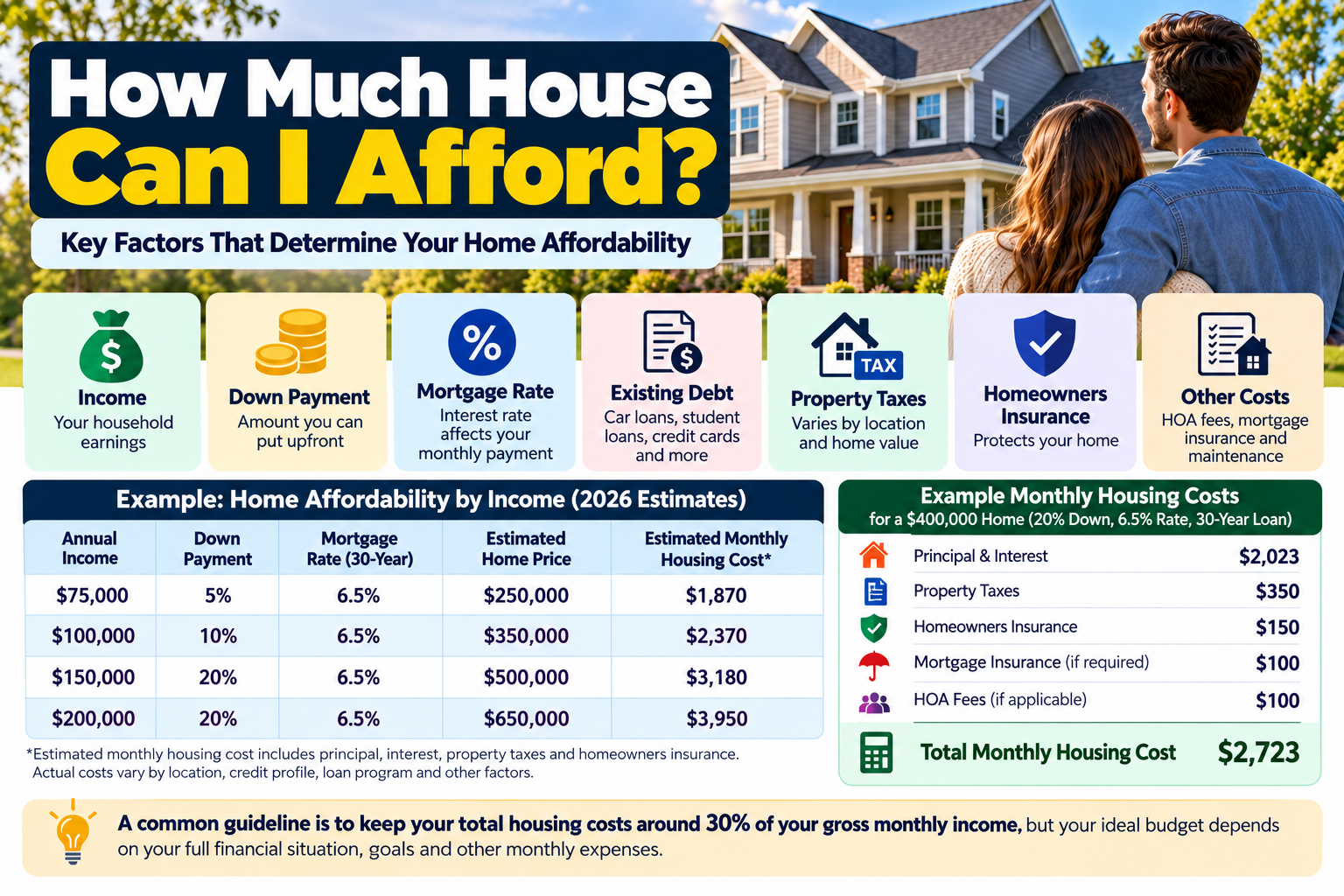
Wondering how much house you can afford? The answer depends on more than your salary. Your down payment, mortgage rate, existing debts, credit profile, property taxes, homeowners insurance, mortgage insurance, HOA fees and other household expenses all affect the home price that fits your budget.
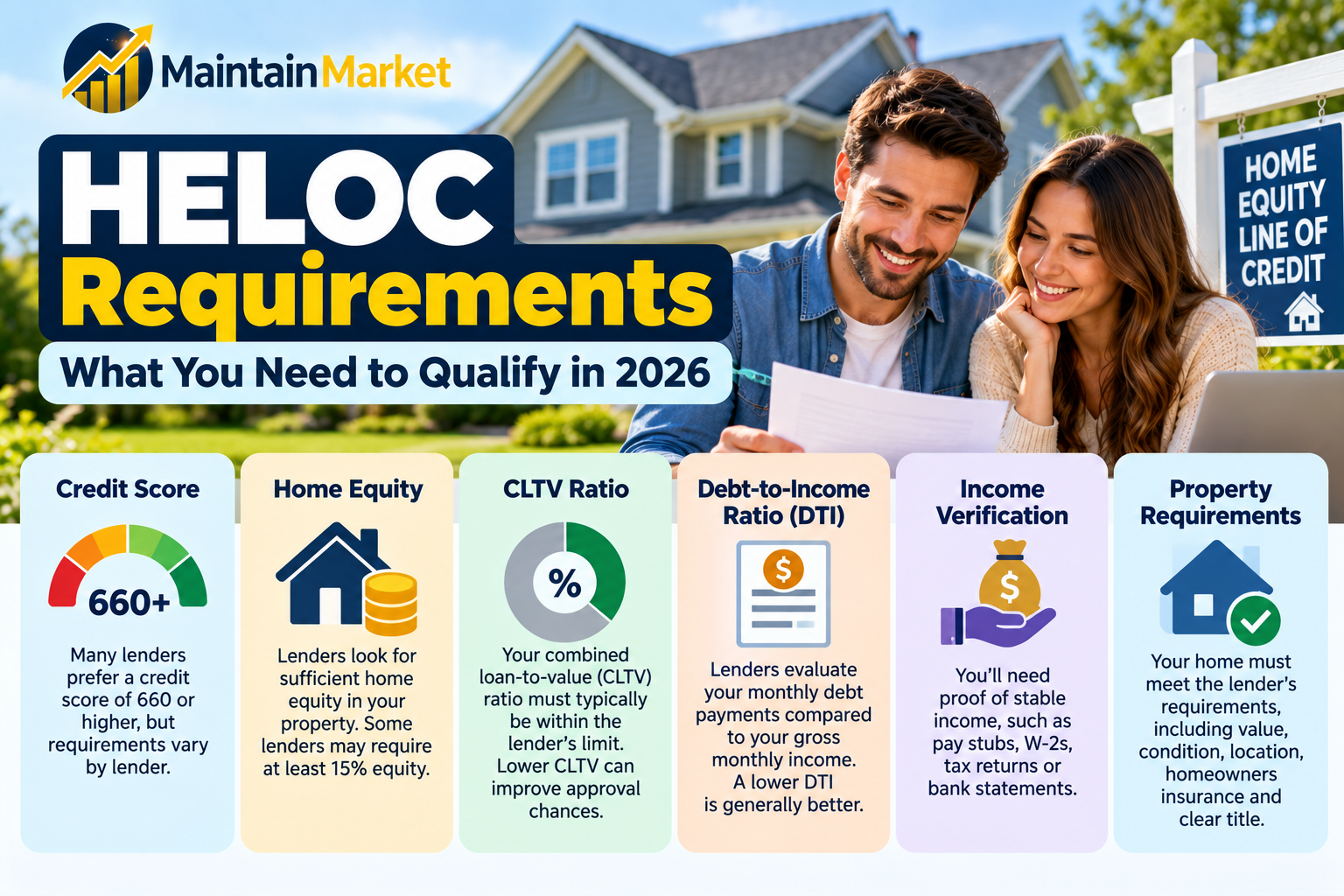
HELOC requirements can vary from one lender to another, but most lenders look closely at your home equity, credit history, income, debt-to-income ratio, property, and ability to repay the line of credit. In 2026, some major lenders publicly list minimum credit scores around 660, but there is no single credit score or equity requirement that applies to every HELOC lender.

If you’re searching for first time home buyer loans, you have several mortgage options to consider in the United States. FHA, conventional, VA, USDA, and state or local programs can have different down payment, credit, income, property, and eligibility requirements.